Thermal bottles and insulated flasks have become everyday essentials for millions of people. Whether you're heading to work, the gym, school, or traveling, these containers help keep beverages hot or cold for hours. They are convenient, reusable, and environmentally friendly.
However, many people assume that a thermal bottle can safely store any type of drink. In reality, certain beverages may not be suitable for long-term storage inside insulated containers. Some drinks can affect flavor, promote bacterial growth, damage the bottle's interior, or even create pressure that may lead to leaks or safety concerns.
If you regularly use a thermal bottle, it's worth knowing which drinks should be handled with extra caution.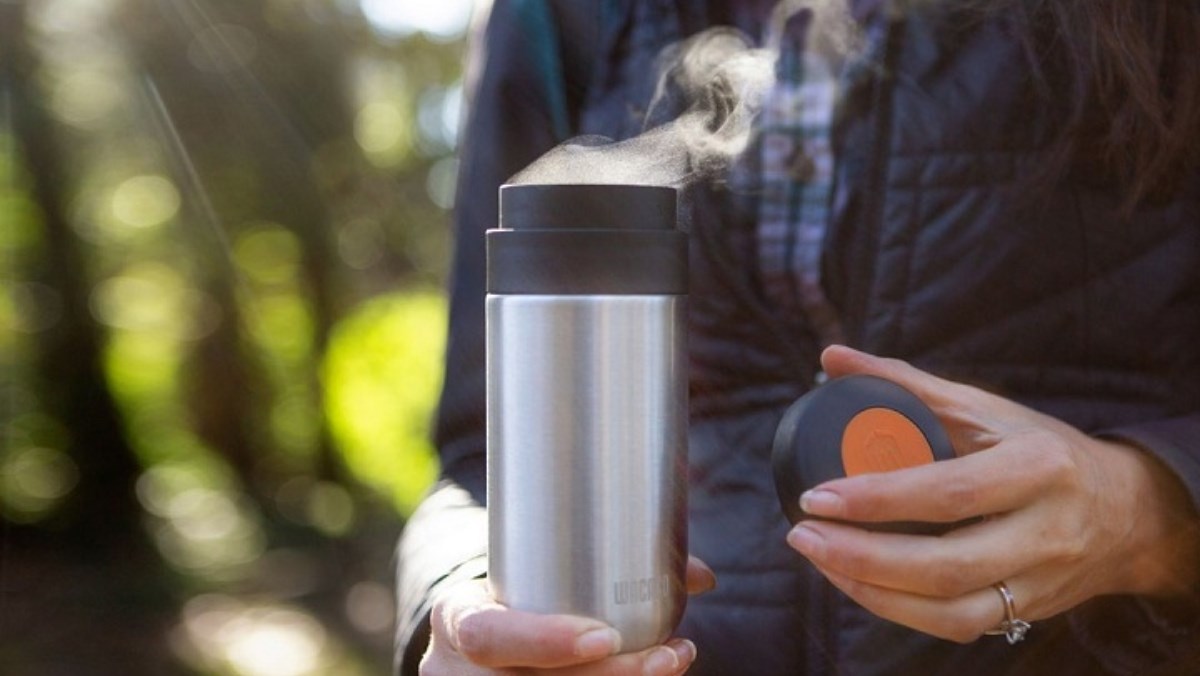
Why the Type of Beverage Matters
Most high-quality thermal bottles are made from stainless steel and designed primarily for water, tea, coffee, and similar beverages.
Problems can arise when drinks:
-
Contain dairy products
-
Ferment easily
-
Are highly acidic
-
Produce gas or pressure
-
Leave stubborn residues
When beverages remain trapped in a sealed environment for many hours, changes can occur that affect both the drink and the bottle itself.
1. Carbonated Drinks
One of the most commonly overlooked mistakes is storing carbonated beverages in a thermal bottle.
This includes:
-
Soda
-
Sparkling water
-
Energy drinks
-
Carbonated soft drinks
Why It Can Be Problematic
Carbonated beverages release carbon dioxide gas.
Inside a sealed insulated bottle, pressure may gradually build up.
Potential consequences include:
-
Leaking lids
-
Difficulty opening the bottle
-
Sudden spray when opened
-
Excess stress on seals and gaskets
In some cases, pressure buildup may damage components over time.
Better Alternative
If you enjoy sparkling beverages, use containers specifically designed and approved for carbonated drinks.
2. Milk and Dairy-Based Drinks
Milk-based beverages can become problematic when left in a thermal bottle for extended periods.
Examples include:
-
Milk
-
Milkshakes
-
Protein shakes
-
Yogurt drinks
-
Latte beverages
Why Caution Is Needed
Dairy products can support bacterial growth if temperature conditions become unsafe.
Although thermal bottles help maintain temperatures, they do not sterilize beverages.
Over time:
-
Bacteria may multiply
-
Odors may develop
-
Spoilage may occur
-
Residue may become difficult to remove
Cleaning Challenges
Dairy products often leave films that cling to the bottle interior.
If not thoroughly cleaned, lingering residue can contribute to unpleasant smells and hygiene issues.
3. Fruit Juice and Highly Acidic Beverages
Many people carry fresh fruit juice in insulated bottles, but highly acidic beverages deserve extra attention.
Examples include:
-
Lemon juice
-
Orange juice
-
Grapefruit juice
-
Vinegar-based drinks
-
Certain fruit smoothies
Potential Issues
Acidic beverages can:
-
Alter flavor over time
-
Leave strong odors
-
Create stubborn residue
-
Affect lower-quality bottle interiors
Most modern stainless-steel bottles are resistant to corrosion, but prolonged exposure to acidic liquids may still affect taste and cleanliness.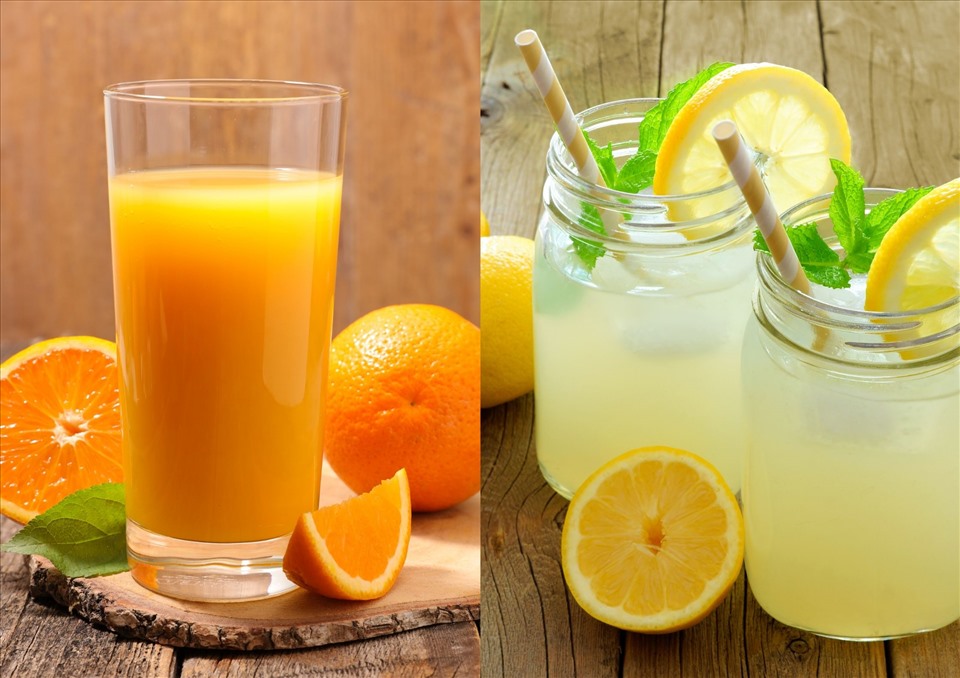
Fresh Is Best
Fresh juices are generally best consumed relatively soon after preparation rather than stored for extended periods.
4. Alcoholic Beverages
Some people use thermal bottles to carry alcoholic drinks discreetly during travel or outdoor activities.
However, this practice is not always ideal.
Possible Concerns
Alcohol may:
-
Retain odors inside the bottle
-
Affect seals and gaskets over time
-
Leave lingering flavors
-
Interact with certain bottle materials
In addition, mixed alcoholic beverages containing fruit juice, sugar, or dairy may spoil more quickly than expected.
Cleaning Is Essential
If alcohol is stored in a thermal bottle, thorough cleaning afterward is especially important.
What About Tea and Coffee?
Tea and coffee are generally safe choices for most insulated bottles.
However, they can leave:
-
Stains
-
Strong aromas
-
Residue buildup
Regular cleaning helps prevent:
-
Flavor transfer
-
Lingering odors
-
Discoloration
Many manufacturers specifically design their bottles for hot beverages like tea and coffee.
Signs Your Bottle Needs Cleaning
Regardless of what you drink, watch for signs that your bottle requires a deeper cleaning.
These include:
-
Persistent odors
-
Visible staining
-
Unusual taste
-
Cloudy appearance
-
Residue around the lid
Ignoring these signs may affect both hygiene and beverage quality.
How to Clean a Thermal Bottle Properly
Proper cleaning extends the life of your bottle and helps prevent contamination.
Daily Cleaning
After each use:
-
Empty the bottle.
-
Rinse with warm water.
-
Wash using mild dish soap.
-
Clean the lid thoroughly.
-
Allow all parts to dry completely.
Deep Cleaning
Occasionally, a deeper clean may help remove odors and stains.
Many people use:
-
Baking soda solutions
-
White vinegar rinses
-
Bottle-cleaning tablets
Always follow the manufacturer's recommendations.
Common Mistakes People Make
Leaving Drinks Overnight
Even safe beverages can develop unpleasant tastes if left too long.
Forgetting the Lid
Many bacteria and residues accumulate around:
-
Threads
-
Seals
-
Silicone gaskets
The lid often requires the most attention.
Storing Bottles While Wet
Moisture trapped inside can encourage odor development.
Always allow bottles to dry thoroughly before storage.
How to Get the Most Out of Your Thermal Bottle
To maximize performance:
-
Use it primarily for water, tea, and coffee.
-
Clean it after every use.
-
Avoid storing beverages for excessively long periods.
-
Follow manufacturer instructions.
-
Replace worn seals when necessary.
These simple habits can significantly extend the lifespan of your bottle.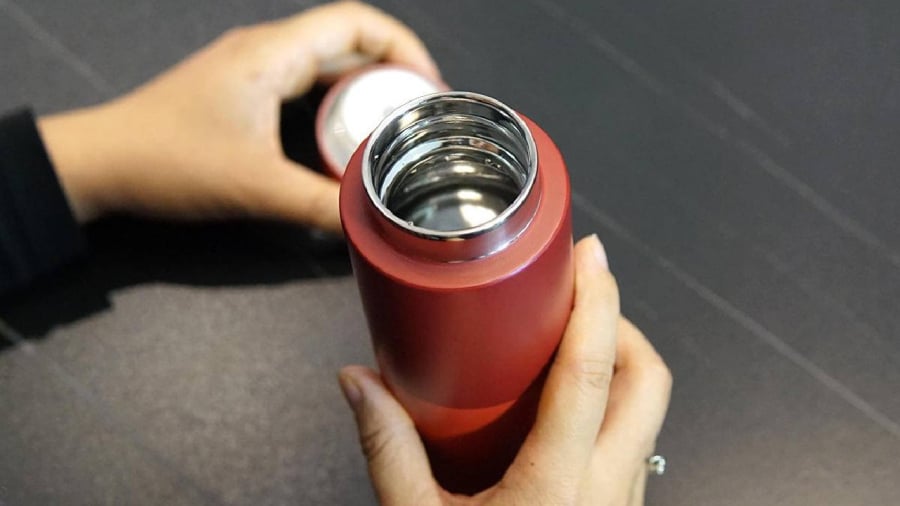
The Bottom Line
Thermal bottles are excellent tools for keeping drinks at the desired temperature, but they are not suitable for every type of beverage. Carbonated drinks, dairy-based beverages, highly acidic juices, and alcoholic drinks can create challenges ranging from pressure buildup and lingering odors to cleaning difficulties and potential spoilage.
By choosing appropriate beverages and maintaining proper cleaning habits, you can protect both your health and your bottle while enjoying the convenience that insulated containers provide every day.
Sometimes the best way to extend the life of your favorite thermal bottle is simply knowing what not to put inside it.