Urine is something most people see several times a day without giving it much thought. But its color, clarity, frequency, and odor can sometimes provide useful clues about hydration, diet, medications, and certain health conditions.
That doesn't mean your urine can diagnose a disease by itself. Many changes are temporary and completely harmless. A darker color after a hot day, a stronger smell after eating certain foods, or bright yellow urine after taking a vitamin supplement may have a simple explanation.
Still, persistent or unusual changes are worth paying attention to.
Understanding what different urine changes can mean may help you recognize when something is probably harmless—and when it's time to speak with a healthcare professional.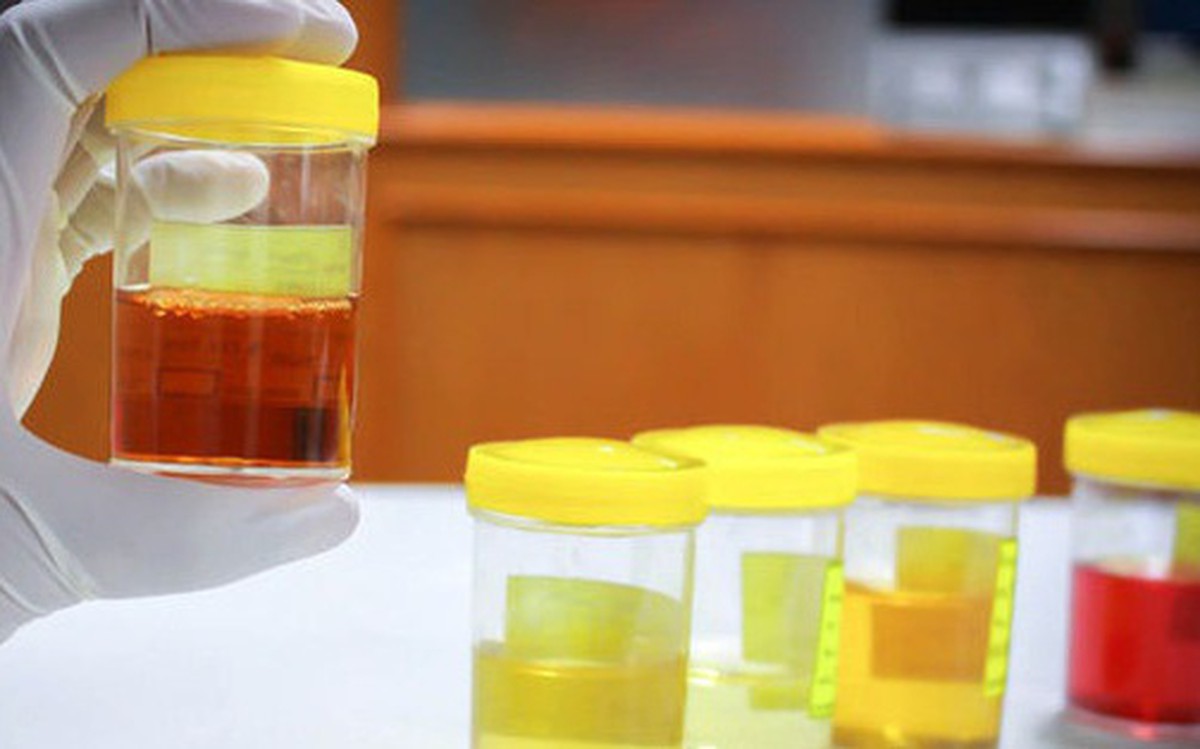
What Is Normal Urine Supposed to Look Like?
Healthy urine can vary considerably.
In general, urine is often pale yellow to straw-colored, although the exact shade can change throughout the day.
A person's urine may be lighter after drinking plenty of fluids and darker when fluid intake is lower.
Urine can also change because of:
- Certain foods
- Vitamins and supplements
- Medications
- Exercise
- Dehydration
- Menstruation
- Medical conditions
This is why one unusual trip to the bathroom usually doesn't tell you very much.
Persistent changes are generally more meaningful than a single unusual sample.
1. Clear or Almost Colorless Urine
Very clear urine often occurs when you're drinking a substantial amount of fluid.
Occasionally seeing clear urine isn't usually concerning.
However, if your urine is consistently completely clear and you're drinking unusually large amounts of water, you may be consuming more fluid than you actually need.
In extreme situations, excessive water intake can dilute sodium in the blood and cause hyponatremia, which can be dangerous.
The goal isn't to make your urine completely transparent.
For most people, a pale yellow color is a reasonable everyday indication of hydration.
2. Dark Yellow Urine
Dark yellow urine is often associated with more concentrated urine.
One common explanation is simply not drinking enough fluid.
You may notice darker urine after:
- Exercising
- Spending time in hot weather
- Sleeping overnight
- Sweating heavily
- Experiencing vomiting or diarrhea
Increasing fluid intake may gradually return urine to a lighter color.
However, persistent dark urine shouldn't automatically be blamed on dehydration.
If the color remains unusually dark despite adequate fluid intake, medical evaluation may be appropriate.
3. Bright or Neon Yellow Urine
Have you ever noticed urine suddenly becoming almost fluorescent yellow?
This can look alarming, but there's a very common explanation.
Vitamin B supplements, particularly riboflavin (vitamin B2), can make urine appear intensely yellow.
The body excretes excess water-soluble vitamins through urine, producing this distinctive color.
So if you recently started a multivitamin or B-complex supplement, bright yellow urine may be completely expected.
4. Pink or Red Urine
Red or pink urine deserves more attention because it can sometimes indicate blood in the urine, a condition known as hematuria.
However, blood isn't the only possible explanation.
Certain foods, including beets, can sometimes change urine color.
Menstruation can also contaminate a urine sample and make it appear pink or red.
Some medications may cause reddish urine as well.
But if you see unexplained pink, red, or cola-colored urine—especially repeatedly—don't simply assume it's something you ate.
Blood in the urine can occur with conditions such as urinary tract infections, kidney stones, prostate problems, kidney disease, or other urinary tract conditions.
Visible blood in the urine should be discussed with a healthcare professional, even if there is no pain.
5. Brown or Tea-Colored Urine
Brown or dark tea-colored urine can have several possible causes.
Severe dehydration can make urine very concentrated.
Certain foods and medications can also alter its appearance.
But brown urine can sometimes be associated with liver or bile-related problems, muscle injury, or other medical conditions.
If your urine suddenly becomes brown and the change doesn't resolve with normal hydration—or if it occurs along with yellowing of the skin or eyes, abdominal pain, severe muscle pain, or weakness—seek medical advice promptly.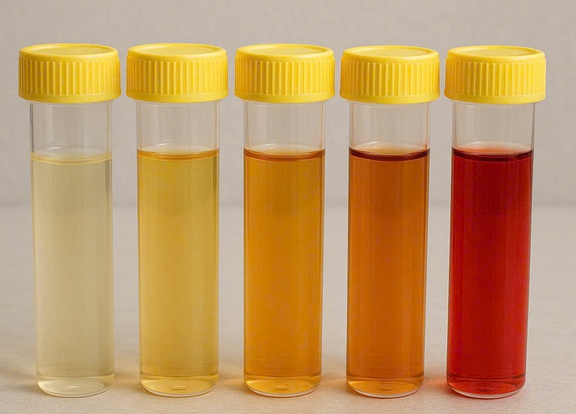
6. Cloudy or Murky Urine
Urine isn't always perfectly clear.
Cloudiness can sometimes result from crystals, mucus, concentrated urine, or other harmless factors.
But cloudy urine can also occur with a urinary tract infection (UTI).
If cloudy urine occurs alongside:
- Burning during urination
- Frequent urination
- Urgent need to urinate
- Lower abdominal discomfort
- Strong or unusual odor
an infection becomes one possible explanation.
A healthcare professional can test a urine sample to determine whether an infection is present.
7. Foamy or Very Bubbly Urine
A few bubbles in the toilet are usually nothing to worry about.
The force of the urine stream can create temporary bubbles, and cleaning products in the toilet can also affect appearance.
But urine that repeatedly appears very foamy or frothy may deserve evaluation.
Persistent protein in the urine, known as proteinuria or albuminuria, can sometimes be associated with kidney disease.
This is particularly important for people who have diabetes, high blood pressure, or other risk factors for kidney problems.
Foamy urine isn't proof of kidney disease.
But if it happens repeatedly, a urine test can help determine whether protein or other abnormalities are present.
8. Strong-Smelling Urine
Urine naturally has an odor.
When urine becomes concentrated, its smell can become stronger because waste products are more concentrated.
Certain foods can also temporarily change urine odor.
Asparagus is one well-known example.
Coffee and some supplements or medications can also influence the smell.
So an unusual odor doesn't automatically indicate a medical problem.
However, persistent foul-smelling urine accompanied by burning, urgency, frequency, pelvic discomfort, or cloudy urine can occur with a urinary tract infection.
The odor alone isn't enough to diagnose an infection.
9. Sweet or Fruity-Smelling Urine
A sweet or fruity odor can occasionally be associated with ketones, which can occur when the body is breaking down fat for energy.
Ketones may appear during fasting, prolonged exercise, very low-carbohydrate diets, or certain illnesses.
In people with diabetes, a strong fruity odor can be particularly concerning when accompanied by symptoms such as:
- Excessive thirst
- Frequent urination
- Nausea or vomiting
- Abdominal pain
- Deep or rapid breathing
- Confusion
- Severe weakness