A Simple Guide to Cleaning and Deveining Shrimp
Preparing shrimp properly is a straightforward process that takes very little time once you get the hang of it:
-
Thaw and Rinse: If using frozen shrimp, thaw them completely in the refrigerator or under cold running water, then rinse gently to remove surface debris.
-
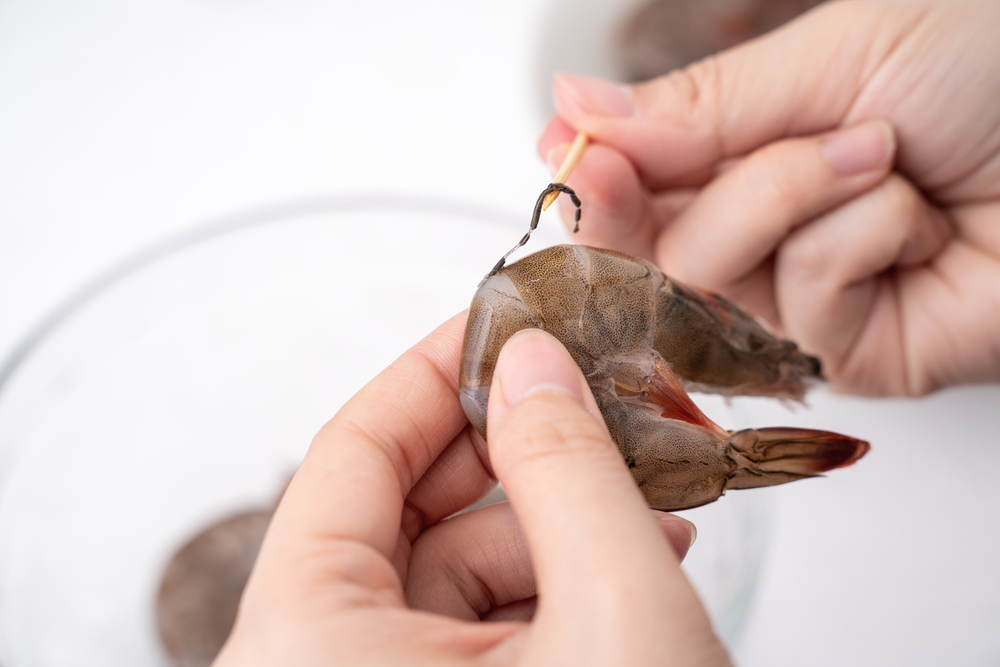
Make a Shallow Cut: Using a sharp paring knife or a specialized shrimp deveiner tool, make a shallow incision along the outer curve of the shrimp’s back, right above the dark line.
-
Lift Out the Vein: Use the tip of the knife or your fingers to gently grab the exposed dark tract and pull it out. For smaller shrimp, the vein is often so thin and fine that many home cooks choose to leave it, as it rarely affects taste or texture.
-
Final Rinse: Give the cleaned shrimp one final rinse under cold water to wash away any remaining particles before cooking.
Cooking Tips for Perfect Shrimp
To get the most out of your preparation, avoid overcooking—shrimp cooks very quickly (usually within 2 to 3 minutes) and turns rubbery and tough if left on the heat too long. Whether you are sautéing them with butter and garlic or tossing them onto a grill, starting with properly cleaned shrimp guarantees an optimal texture and flavor.
The Bottom Line
While the black vein in shrimp is not a dangerous poison, removing it is a small culinary step that makes a major difference. Taking the time to properly clean your seafood ensures a grit-free bite, a cleaner flavor profile, and a restaurant-quality presentation every time you cook.