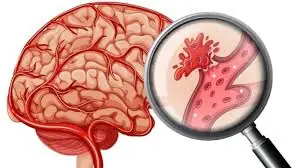
Living With Clogged Arteries? These 10 Signs May Be Easier to Miss Than You Think
Think Your Arteries Are Fine? These 10 Possible Warning Signs May Make You Think Twice…
⏱️ 1 min read 09/08/2026 16:46
Eggs are a nutritious food, but they must be consumed correctly—especially in the morning!

Eggs are one of the most common breakfast foods, prepared in various convenient ways. They are rich in high-quality protein, providing essential amino acids that help maintain muscle mass and strengthen the immune system. Additionally, eggs are packed with vitamins A, D, E, B-complex vitamins, and minerals like calcium, iron, and zinc, which boost energy and support brain function.
Eating eggs for breakfast can also promote satiety, reducing cravings throughout the day and aiding in weight management. Some studies suggest that consuming 1–2 eggs in the morning can increase good cholesterol (HDL) and lower the risk of cardiovascular disease. However, not everyone eats eggs correctly. If you make these three common mistakes, your egg-based breakfast might do more harm than good!
Eggs are healthy, but more doesn’t always mean better. Some people consume 3–4 eggs for breakfast, sometimes even 5–6, either for convenience, preference, or a quick protein boost. However, this habit isn’t good for your health.
First, it can overwhelm your digestive system. After an overnight fast, your stomach is empty, and your digestive system is still "waking up." Consuming too many eggs forces your body to work hard to digest the large protein load, potentially causing bloating, indigestion, or even stomach pain. Over time, excessive egg consumption can also burden the liver and kidneys.
Additionally, a breakfast consisting only of eggs—or too many eggs without fiber, vitamins from vegetables, or carbohydrates from grains—fails to provide a balanced energy source for the body. The ideal recommendation for healthy adults is to eat just 1–2 eggs for breakfast, paired with other nutritious foods for a well-rounded meal.
How you prepare eggs significantly impacts their nutritional value. Many people enjoy fried eggs with excessive oil or undercooked eggs, but both methods can be harmful—especially in the morning.
For example, frying eggs in a lot of oil exposes cholesterol in the eggs to high heat, which can oxidize it and produce harmful compounds, increasing the risk of heart disease. Additionally, greasy fried eggs can lead to bloating and discomfort in the morning.
On the other hand, eating raw or undercooked eggs might seem like a way to retain more nutrients, but it can expose you to Salmonella, a bacteria that causes food poisoning, diarrhea, and stomach pain. The best way to prepare eggs is soft-boiled or steamed, avoiding excess oil and fat in your breakfast.
Not all foods pair well with eggs in the morning. Some food combinations can reduce the nutritional value of eggs or negatively affect digestion. Here are a few examples:
By avoiding these common mistakes, you can enjoy eggs as a nutritious and beneficial part of your breakfast!
Think Your Arteries Are Fine? These 10 Possible Warning Signs May Make You Think Twice…
🚨 You Might Be Doing This Every Day Without Realizing It Could Contribute to a Lump… See the 1st Comment.
Eggs for Breakfast Every Morning? Discover the Potential Effects on Your Body…
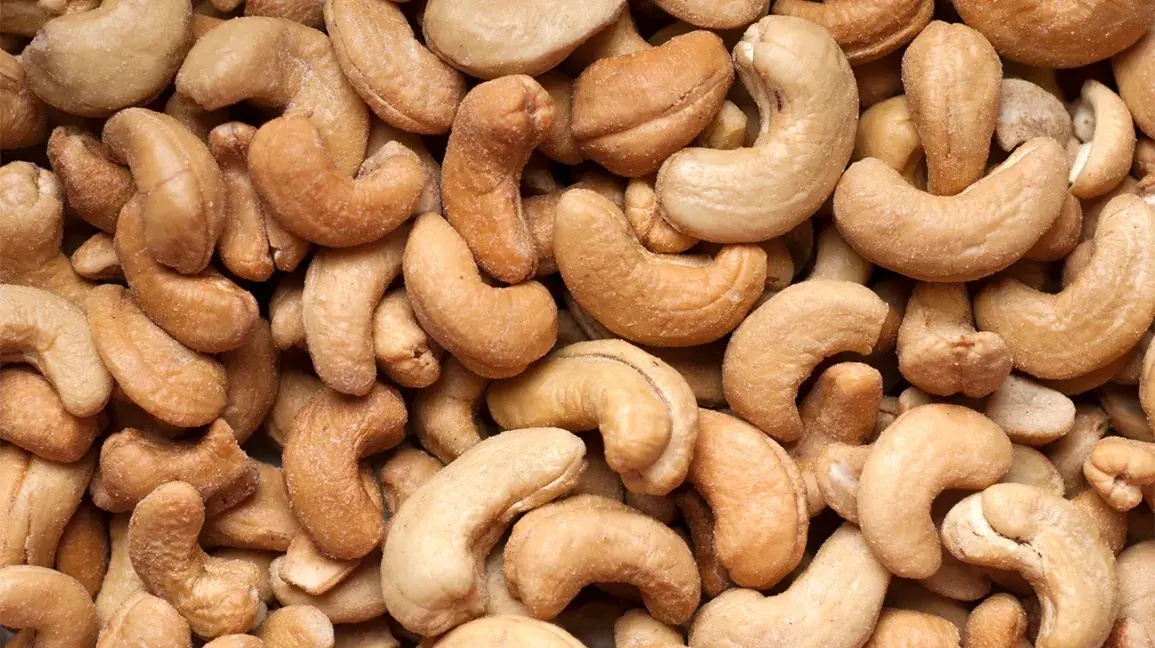
Cashews Aren’t Just a Tasty Snack — Discover How They May Affect Your Body!
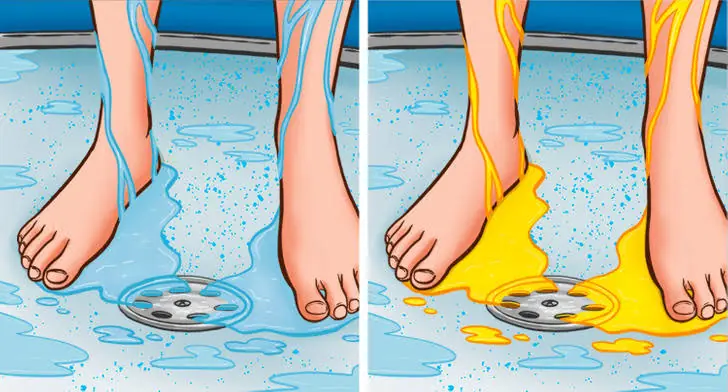
Peeing While Showering May Seem Harmless — But There’s More to It Than You Think…

Many People Ignore This Nail Sign—Should You?
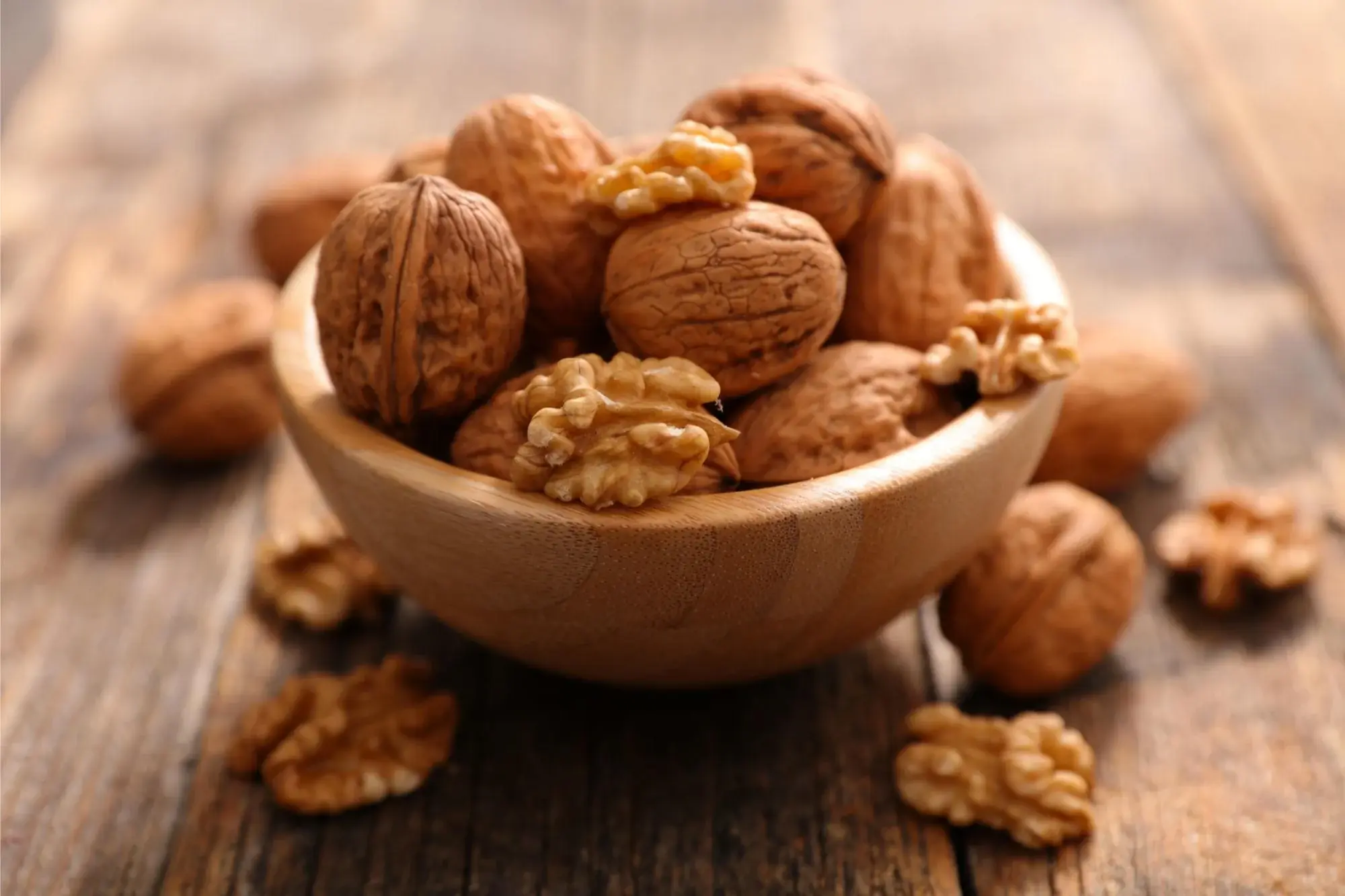
Before You Skip Walnuts, Discover What a Daily Handful May Do for Your Body… 👀

Oregano: More Than Just a Kitchen Herb — Discover Its Potential Health Benefits!
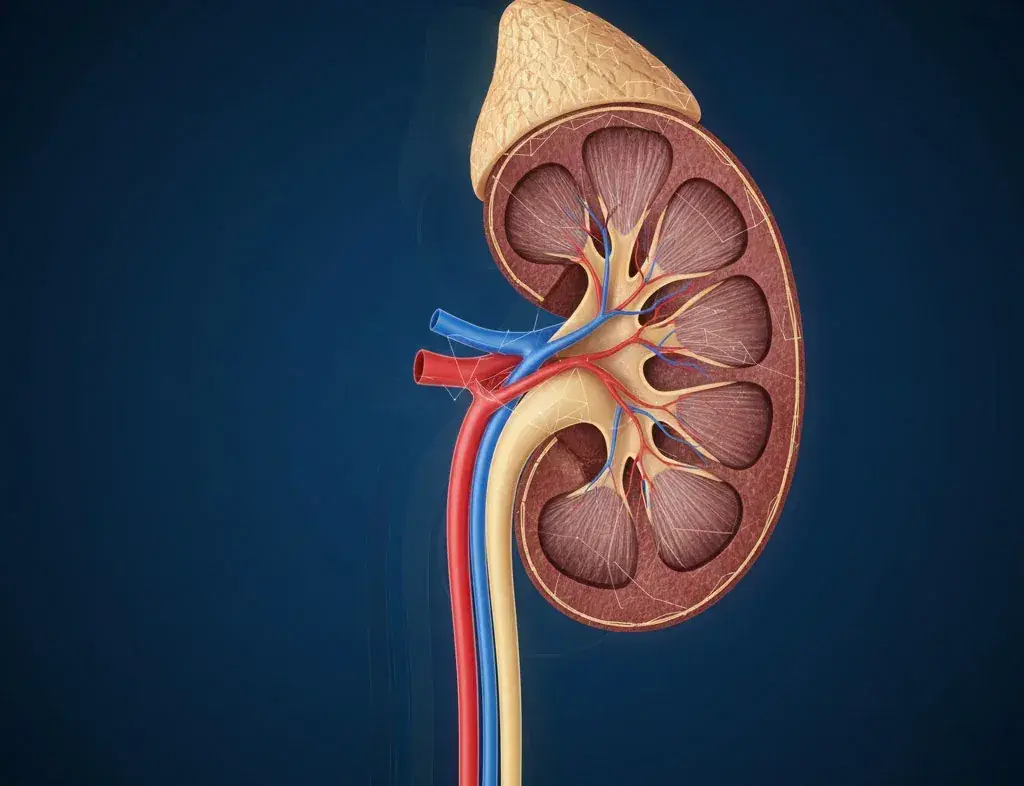
Kidney Problems Can Be Silent: Warning Signs You Should Know

The Food Millions Love That Could Carry Serious Risks
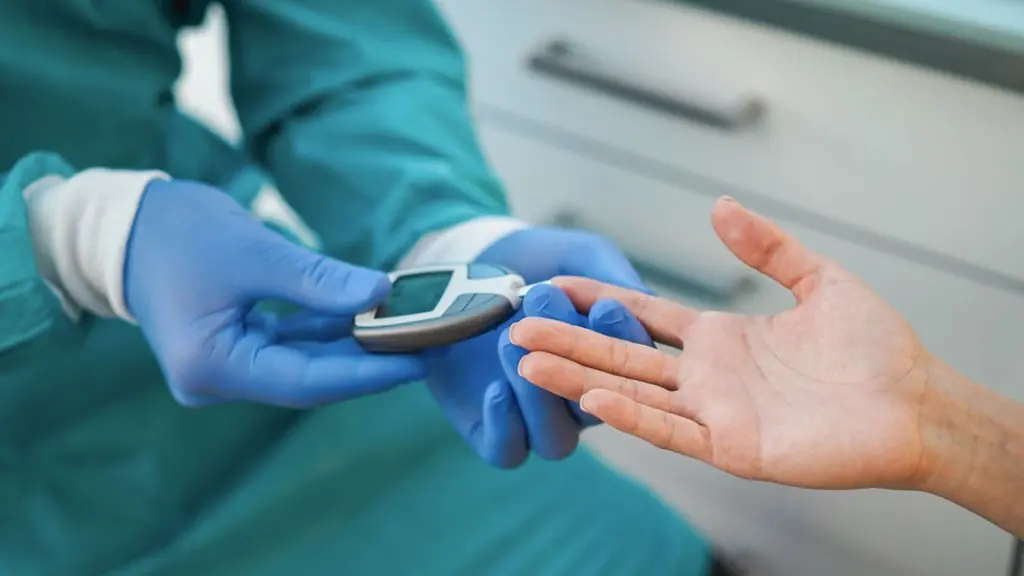
15 Possible Signs of Diabetes You May Not Notice at First

10 Subtle Changes in Your Body That May Deserve Attention
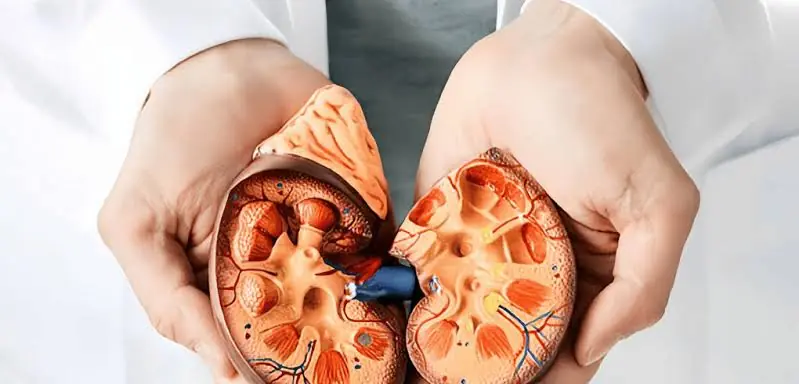
Kidney Health: Warning Signs That Deserve Your Attention

The Surprising Effects Sweet Potatoes May Have on Your Body
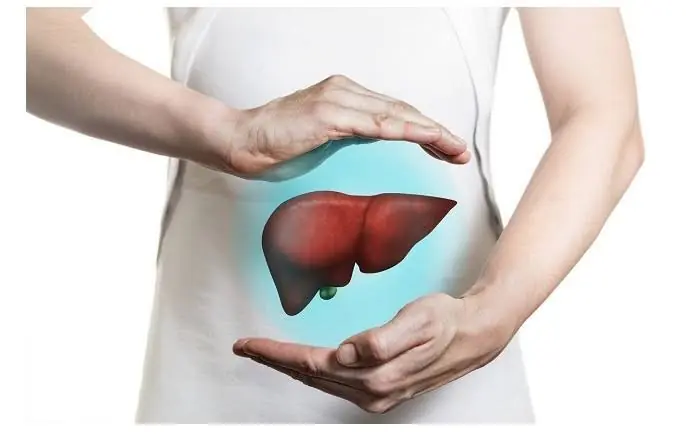
Where Does Liver-Related Pain Usually Occur? What You Should Know
If Your Skin Itches Every Night, Don’t Ignore These Warning Signs

Your Fridge Isn't a Magic Box: 5 Foods That May Not Be Safe the Next Day

18 Possible Signs That Something May Be Affecting Your Health

Millions Use This Water Container Every Day. Could It Be Time to Replace Yours?

3 Cloves, Twice a Day — The Results May Shock You
Think Your Arteries Are Fine? These 10 Possible Warning Signs May Make You Think Twice…
🚨 You Might Be Doing This Every Day Without Realizing It Could Contribute to a Lump… See the 1st Comment.
Eggs for Breakfast Every Morning? Discover the Potential Effects on Your Body…
Cashews Aren’t Just a Tasty Snack — Discover How They May Affect Your Body!
Peeing While Showering May Seem Harmless — But There’s More to It Than You Think…
Many People Ignore This Nail Sign—Should You?
Before You Skip Walnuts, Discover What a Daily Handful May Do for Your Body… 👀
Oregano: More Than Just a Kitchen Herb — Discover Its Potential Health Benefits!
Kidney Problems Can Be Silent: Warning Signs You Should Know
The Food Millions Love That Could Carry Serious Risks
15 Possible Signs of Diabetes You May Not Notice at First
10 Subtle Changes in Your Body That May Deserve Attention
His son came home bruised. The next day, the chairman became a janitor.
The Bride They Tried to Sell
The Dress Without a Brand
Kidney Health: Warning Signs That Deserve Your Attention
The Surprising Effects Sweet Potatoes May Have on Your Body
Where Does Liver-Related Pain Usually Occur? What You Should Know
If Your Skin Itches Every Night, Don’t Ignore These Warning Signs