When people talk about foods associated with cancer prevention, they often focus on a handful of familiar choices such as berries, broccoli, green tea, or tomatoes. But the truth is that many everyday foods contain naturally occurring compounds that researchers are studying for their potential role in supporting healthy cells and reducing cancer risk.
It is important to make one distinction from the beginning: no food can literally “kill cancer cells” in the human body or replace cancer treatment. Some foods and their compounds have shown interesting effects in laboratory or animal studies, while human evidence is often more complicated.
Still, building a diet around nutrient-rich, minimally processed foods can support overall health and may contribute to a lower risk of several chronic diseases.
Here are 10 foods that deserve more attention.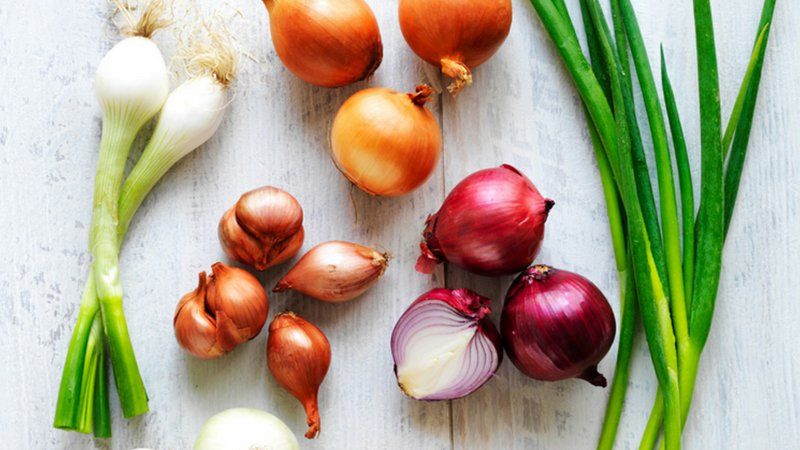
1. Onions
Onions are inexpensive, easy to find, and often treated as nothing more than a flavoring ingredient.
But they belong to the Allium family, alongside garlic, leeks, shallots, and chives. These vegetables contain sulfur-containing compounds and flavonoids that have attracted scientific interest.
One of the best-known compounds in onions is quercetin, a flavonoid with antioxidant and anti-inflammatory properties.
Researchers have investigated quercetin and other onion compounds for their potential effects on cellular signaling, oxidative stress, and processes involved in abnormal cell growth.
Population studies have also examined whether higher consumption of allium vegetables is associated with lower risks of certain cancers.
The evidence does not mean eating onions can prevent cancer on its own. However, regularly including onions in meals is an easy way to increase your intake of plant compounds.
Try adding fresh onions to salads, soups, stir-fries, omelets, beans, or roasted vegetables.
2. Mushrooms
Mushrooms are another food that often receives less attention than brightly colored fruits and vegetables.
They provide fiber, B vitamins, minerals, and various bioactive compounds, depending on the species.
Some mushrooms contain compounds such as beta-glucans and ergothioneine, which have attracted interest because of their potential effects on immune function and oxidative stress.
Certain mushroom extracts have demonstrated biological activity in laboratory research, including effects on immune pathways and cancer cells.
However, eating mushrooms should not be confused with taking medicinal mushroom extracts.
Research into mushrooms and cancer prevention is ongoing, and results from concentrated extracts or laboratory experiments cannot automatically be applied to ordinary servings of mushrooms.
Still, adding mushrooms to a balanced diet can increase variety and provide useful nutrients.
3. Lentils
Lentils may not sound like a "cancer-fighting" food, but they offer something extremely valuable: fiber.
High-fiber foods are an important part of dietary patterns associated with better long-term health.
Lentils also provide plant protein, folate, iron, potassium, and other nutrients.
Fiber helps support normal bowel function and interacts with the microorganisms living in the colon. During fermentation, certain fibers can contribute to the production of short-chain fatty acids, which play important roles in intestinal health.
Higher dietary fiber intake is particularly associated with a lower risk of colorectal cancer.
Lentils are also an excellent replacement for some highly processed foods and processed meats.
You can add them to soups, salads, curries, grain bowls, or vegetable stews.
4. Flaxseeds
Flaxseeds are tiny, but nutritionally they pack a lot into a small serving.
They contain alpha-linolenic acid (ALA), a plant-based omega-3 fatty acid, as well as dietary fiber and lignans.
Lignans are plant compounds with antioxidant properties that have been studied for their potential effects on hormone-related biological pathways.
Flaxseed research has investigated possible relationships with several types of cancer, particularly hormone-sensitive cancers, although human evidence remains insufficient to consider flaxseed a cancer treatment or guaranteed preventive food.
If you eat flaxseeds, ground flaxseed is generally more useful nutritionally than whole seeds because the body can access more of their contents.
Try adding ground flaxseed to oatmeal, yogurt, smoothies, or whole-grain baked foods.
5. Cabbage
Cabbage is often overshadowed by trendier vegetables, but it belongs to the same cruciferous vegetable family as broccoli, cauliflower, Brussels sprouts, and kale.
Cruciferous vegetables contain glucosinolates, which can be converted into compounds such as isothiocyanates and indoles.
These substances have been extensively studied for their effects on cellular defense mechanisms and pathways involved in carcinogen metabolism and abnormal cell growth.
Human research on cruciferous vegetables and cancer risk has produced mixed results depending on the cancer type and study design.
Still, cabbage is inexpensive, versatile, and nutrient-dense.
You can eat it raw in salads, lightly sauté it, add it to soups, or ferment it into foods such as sauerkraut or kimchi.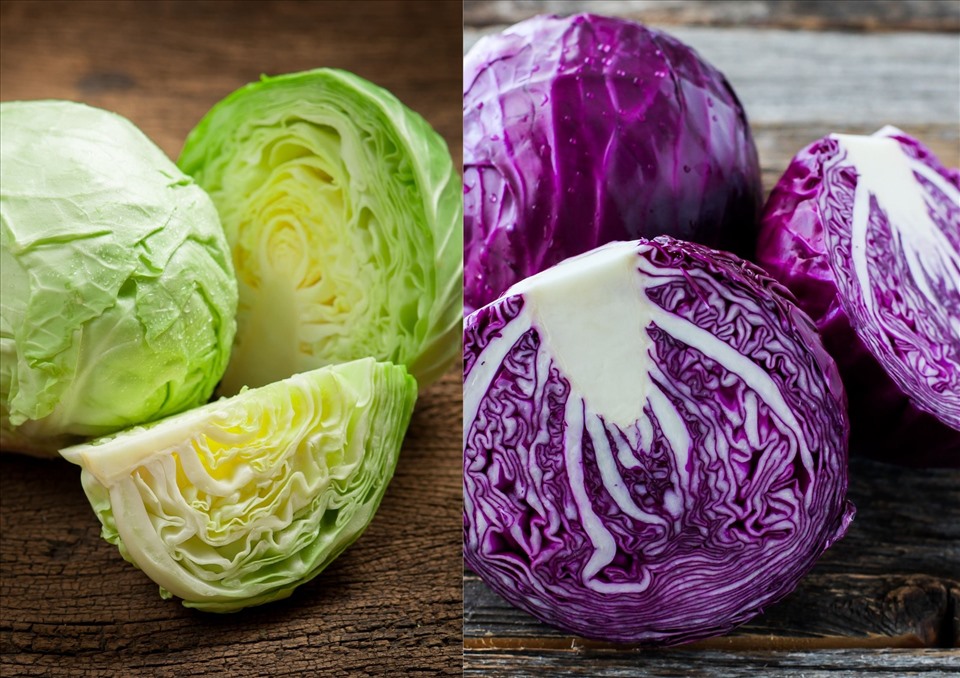
6. Carrots
Carrots are best known for their orange color, which comes largely from beta-carotene and other carotenoids.
The body can convert beta-carotene into vitamin A, which is important for normal vision and immune function.
Carrots also contain other plant compounds that contribute to their nutritional profile.
A diet rich in colorful vegetables is generally associated with better health outcomes, although researchers have not established that eating carrots alone prevents cancer.
Interestingly, cooking carrots can increase the availability of some carotenoids.
Adding a small amount of healthy fat can also help the body absorb fat-soluble carotenoids.
Enjoy carrots raw, roasted, steamed, or added to soups and stews.
7. Green Tea
Green tea has received considerable attention from cancer researchers because it contains catechins, particularly epigallocatechin gallate (EGCG).
Laboratory studies have found that green tea compounds can influence oxidative stress, inflammation, cell signaling, and other biological processes.
This has led researchers to investigate whether regular green tea consumption is associated with lower risks of certain cancers.
However, human studies have produced mixed results.
Drinking unsweetened green tea can still be a healthy beverage choice for many people. It provides polyphenols without the large amounts of added sugar found in many soft drinks and sweetened beverages.
But concentrated green tea extracts are a different matter. High-dose supplements have occasionally been associated with liver injury.
For most people, ordinary brewed green tea is a more sensible choice than concentrated extracts.
8. Apples
Apples are another everyday food that can be easy to underestimate.
They contain fiber, vitamin C, and a variety of polyphenols, including flavonoids.
Much of the fiber and some plant compounds are concentrated in or near the skin.
Dietary fiber is particularly relevant to colorectal health, while polyphenols are being investigated for their potential antioxidant and anti-inflammatory effects.
Eating a whole apple is generally preferable to drinking apple juice when the goal is maximizing fiber and minimizing added sugars.
There is no need to search for an exotic fruit when a simple apple can provide valuable nutrients as part of a varied diet.
9. Extra-Virgin Olive Oil
Extra-virgin olive oil is a major component of the Mediterranean dietary pattern, which has been associated with numerous health benefits.
Olive oil contains predominantly monounsaturated fat as well as various phenolic compounds.
Some of these compounds have antioxidant and anti-inflammatory properties.
Research has investigated relationships between olive oil consumption and the risk of several chronic diseases, including certain cancers. However, it is difficult to separate the effect of olive oil itself from the overall dietary pattern in which it is consumed.
The practical takeaway is simple: replacing some sources of saturated fat with unsaturated fats such as olive oil can be a useful dietary strategy.
Use it for salad dressings, vegetables, beans, or moderate-temperature cooking.
10. Beans
Beans deserve a place on this list for many of the same reasons as lentils—but their versatility makes them particularly valuable.
Black beans, kidney beans, chickpeas, navy beans, and other legumes contain fiber, plant protein, folate, potassium, magnesium, and numerous phytochemicals.
Regular consumption of legumes can help support digestive health, blood sugar regulation, and healthy cholesterol levels.
Their high fiber content is particularly relevant to colorectal health.
Beans can also replace processed meats or other less nutritious foods in meals.
For example, a bowl containing beans, vegetables, whole grains, and a healthy fat can provide a combination of fiber, protein, vitamins, and minerals that is difficult to obtain from highly processed convenience foods.
Why These Foods May Matter
There is no single "cancer-fighting" nutrient.
Cancer develops through a complicated combination of genetic changes, environmental exposures, inflammation, metabolism, immune responses, and other biological processes.
That is why researchers increasingly focus on overall dietary patterns rather than individual miracle foods.
The foods above contain different combinations of:
-
Dietary fiber
-
Polyphenols
-
Carotenoids
-
Flavonoids
-
Vitamins
-
Minerals
-
Healthy fats
-
Plant-based proteins
These compounds can interact with numerous biological pathways.
But the goal should not be to consume huge amounts of one particular food.
Variety is more important than obsession with a single ingredient.
Whole Foods Are Usually Better Than Concentrated Supplements
A common mistake is assuming that if a food contains a potentially beneficial compound, taking a high-dose supplement containing that compound must be even better.
That isn't necessarily true.
The body responds differently to concentrated doses than to compounds consumed as part of whole foods.
High-dose supplements can also interact with medications or cause adverse effects.
For example, concentrated green tea extracts have been associated with rare cases of liver injury, while ordinary brewed green tea is generally much less concerning.
Food first is usually the more sensible approach unless a healthcare professional recommends supplementation for a specific reason.
What About Processed Foods?
Adding nutritious foods to your diet is helpful, but it is equally important to consider what they replace.
A diet containing vegetables, fruits, beans, whole grains, and nuts is generally more beneficial when it also limits excessive intake of highly processed foods.
Processed meats are particularly relevant because there is strong evidence linking regular consumption with an increased risk of colorectal cancer.
Alcohol consumption is also associated with increased risk of several cancers.
Smoking remains one of the most important preventable causes of cancer.
In other words, adding a handful of berries to an otherwise unhealthy lifestyle does not erase major risk factors.
Overall dietary and lifestyle patterns matter much more than individual foods.
A Simple Way to Build a More Protective Diet
You don't need an expensive meal plan or exotic ingredients.
Start with simple changes.
Add beans or lentils to several meals each week.
Eat a variety of colorful vegetables.
Choose whole fruit instead of juice more often.
Use extra-virgin olive oil in place of some saturated fats.
Add ground flaxseed to oatmeal or yogurt.
Include mushrooms, cabbage, onions, or carrots in soups and stir-fries.
Drink unsweetened green tea if you enjoy it.
These changes may seem small, but consistency is what matters.
Food Cannot Replace Cancer Treatment
This point deserves emphasis.
If someone has been diagnosed with cancer, food should never be presented as a substitute for medical treatment.
Cancer treatment may involve surgery, chemotherapy, radiation therapy, immunotherapy, targeted therapy, hormone therapy, or combinations of these approaches.
Nutrition can play an important supporting role, particularly in maintaining adequate protein, calories, hydration, and micronutrients during treatment.
But a particular food cannot be relied upon to eliminate a tumor.
Anyone undergoing cancer treatment should discuss major dietary changes or supplements with their medical team.
Prevention Involves More Than Diet
A healthy diet is only one piece of cancer prevention.
Other important measures include:
Do not smoke. Tobacco is a major cause of cancer and remains one of the most important preventable risk factors.
Limit alcohol. Alcohol is associated with several types of cancer, and lower consumption generally means lower risk.
Stay physically active. Regular movement supports metabolic health and can help maintain a healthy body weight.
Protect your skin. Excessive ultraviolet exposure increases the risk of skin cancer.
Maintain a healthy weight. Excess body fat is associated with increased risk of several cancers.
Follow recommended screening guidelines. Screening can help detect certain cancers before symptoms develop.
The Bottom Line
There is no food that can guarantee protection from cancer, and no ordinary food should be described as a proven way to "kill cancer cells" inside the human body.
However, foods such as onions, mushrooms, lentils, flaxseeds, cabbage, carrots, green tea, apples, extra-virgin olive oil, and beans contain nutrients and plant compounds that may support healthy biological processes and are being studied for their potential relationship with cancer risk.
The bigger lesson is simple:
Don't search for one miracle food. Build a diet around variety.
The combination of fiber-rich legumes, colorful vegetables, whole fruits, healthy fats, and minimally processed foods provides a broad spectrum of nutrients and bioactive compounds.
And when those dietary choices are combined with not smoking, limiting alcohol, exercising regularly, maintaining a healthy weight, and following appropriate screening recommendations, they can become part of a much stronger long-term strategy for protecting overall health.
Your body does not need one magical ingredient.
It needs a consistent supply of nutritious foods that support the complex systems responsible for maintaining healthy cells.