These blood vessels carry oxygen-rich blood from your heart to your brain, muscles, organs, and tissues. When arteries are healthy, blood can flow efficiently throughout the body. But over time, factors such as high LDL cholesterol, high blood pressure, smoking, diabetes, physical inactivity, and an unhealthy diet can damage blood vessels and contribute to atherosclerosis.
Atherosclerosis occurs when fatty deposits, cholesterol, inflammatory cells, and other substances accumulate within artery walls. As these plaques grow, they can make arteries narrower and less flexible. In some cases, a plaque can rupture and contribute to the formation of a blood clot, potentially causing a heart attack or stroke.
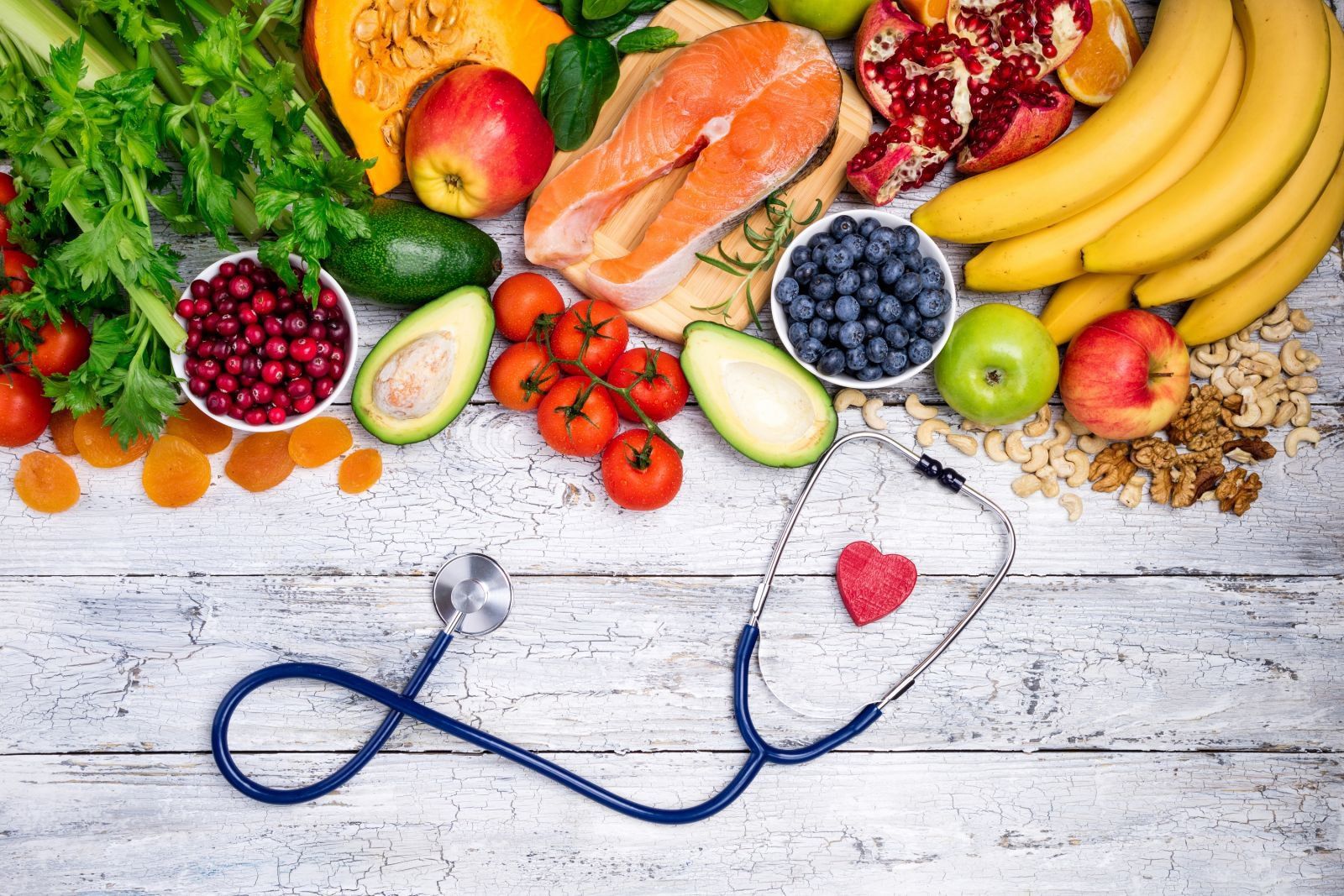
The good news is that your daily food choices can play an important role in cardiovascular health.
No single food can literally "clean" or unclog an artery. However, certain foods contain fiber, unsaturated fats, antioxidants, minerals, and other nutrients that can support healthy cholesterol levels, blood pressure, blood sugar regulation, and overall cardiovascular function.
Here are 10 heart-healthy foods that may help protect your arteries as part of a balanced diet.
1. Oats
Oats are one of the simplest foods you can add to a heart-friendly diet.
Their biggest advantage is a type of soluble fiber called beta-glucan.
Soluble fiber absorbs water and forms a gel-like substance in the digestive tract. This can help reduce the absorption of cholesterol and increase the amount of cholesterol removed from the body.
Regular consumption of oats and other foods rich in soluble fiber has been associated with modest reductions in LDL cholesterol, often referred to as "bad" cholesterol.
And LDL cholesterol matters because elevated levels can contribute to the buildup of cholesterol within artery walls.
Oats also provide complex carbohydrates, magnesium, and various plant compounds.
Instead of choosing highly sweetened instant oatmeal, consider plain rolled or steel-cut oats. You can improve the flavor naturally with berries, cinnamon, nuts, seeds, or a small amount of fruit.
A bowl of oatmeal topped with blueberries and walnuts can be a simple breakfast that combines several heart-supportive foods in one meal.
2. Fatty Fish
Fatty fish are among the most well-known foods associated with cardiovascular health.
Examples include salmon, sardines, mackerel, trout, and herring.
These fish are rich in omega-3 fatty acids, particularly EPA and DHA.
Omega-3 fatty acids play important roles in the body and have been studied extensively for their effects on cardiovascular health.
Eating fish regularly can contribute to a heart-healthy dietary pattern. Fish can also replace foods that are higher in saturated fat, such as processed meats and some fatty cuts of meat.
Another advantage is that fish provides high-quality protein along with nutrients such as vitamin D, selenium, and other micronutrients.
For many people, including fatty fish in meals a couple of times per week is a practical way to increase intake of beneficial unsaturated fats.
Try grilled salmon with vegetables, sardines on whole-grain toast, or baked trout with a large salad.
The cooking method matters too. Baking, grilling, steaming, or broiling is generally preferable to deep-frying.
3. Extra-Virgin Olive Oil
Extra-virgin olive oil is a cornerstone of Mediterranean-style eating patterns, which are strongly associated with cardiovascular health.
Olive oil is rich in monounsaturated fat, particularly oleic acid.
Replacing some saturated fats with unsaturated fats can help improve the overall quality of dietary fat and may help reduce LDL cholesterol.
Extra-virgin olive oil also contains naturally occurring plant compounds called polyphenols.
These compounds have antioxidant and anti-inflammatory properties, although the effects of consuming olive oil should be considered within the context of the entire diet.
One of the easiest ways to use olive oil is as a replacement for butter or other sources of saturated fat.
Drizzle it over vegetables, use it in salad dressing, or use a moderate amount when cooking.
Remember that olive oil is still calorie-dense. "Heart-healthy" does not mean unlimited.
The goal is to replace less beneficial fats rather than simply adding large amounts of oil to your existing diet.
4. Walnuts
Walnuts are small, but they contain an impressive combination of nutrients.
They provide unsaturated fats, plant-based protein, fiber, magnesium, and various antioxidant compounds.
They are also one of the few commonly eaten nuts that provide a meaningful amount of alpha-linolenic acid, or ALA, an omega-3 fatty acid found in plants.
Research on nuts has generally found that regular nut consumption is associated with better cardiovascular outcomes, although nuts should still be considered one part of an overall healthy eating pattern.
One reason nuts may be beneficial is that they can replace less healthy snack foods.
Instead of reaching for cookies, chips, or highly processed snacks, a small handful of unsalted walnuts can provide protein, healthy fats, and fiber.
Because nuts are energy-dense, portion size is important.
A small handful is usually enough.
5. Berries
Strawberries, blueberries, raspberries, and blackberries are packed with colorful plant compounds.
Many berries are rich in polyphenols, including anthocyanins, which give some berries their deep red, purple, and blue colors.
These compounds have antioxidant and other biological properties that researchers have investigated in relation to cardiovascular health.
Berries are also naturally sweet and provide fiber while generally containing fewer calories than many desserts.
That makes them a useful replacement for highly processed sweets.
Try adding berries to oatmeal, plain yogurt, smoothies, or salads.
Frozen berries can also be a convenient and affordable option. They retain much of their nutritional value and can be stored for long periods.
Instead of thinking of berries as a medicine for your arteries, think of them as a nutrient-rich food that can help make a healthy diet more enjoyable.
6. Avocados
Avocados are another excellent source of heart-friendly unsaturated fats.
They are particularly rich in monounsaturated fat and also provide fiber, potassium, and other nutrients.
Potassium is important for maintaining normal blood pressure, while dietary fiber can support healthy cholesterol levels and digestive health.
Replacing foods high in saturated fat with avocado can be a useful dietary strategy.
For example, avocado can be used instead of butter on whole-grain toast or added to a sandwich instead of mayonnaise.
You can also combine avocado with tomatoes, leafy greens, beans, and olive oil to create a nutrient-rich salad.
Although avocados are nutritious, they are relatively high in calories, so portion size still matters.
The goal is balance, not excess.
7. Beans and Lentils
Beans, lentils, chickpeas, and other legumes deserve a prominent place in a heart-healthy diet.
They provide a combination of plant-based protein, fiber, complex carbohydrates, vitamins, and minerals.
Their soluble fiber can help support healthy cholesterol levels, while their protein content makes them a useful alternative to some animal-based protein sources.
Legumes are also generally low in saturated fat.
Regularly replacing processed meats or other high-saturated-fat foods with beans and lentils can improve the overall nutritional quality of a diet.
Try adding black beans to tacos, lentils to soup, chickpeas to salads, or kidney beans to a vegetable chili.
They are inexpensive, versatile, and easy to prepare.
Perhaps most importantly, legumes can help create satisfying meals without relying heavily on processed foods.
8. Leafy Green Vegetables
Leafy greens such as spinach, kale, Swiss chard, collard greens, and arugula are rich in vitamins, minerals, fiber, and plant compounds.
Many leafy greens also provide potassium, magnesium, folate, vitamin K, and various antioxidants.
A diet rich in vegetables is consistently associated with better overall health and cardiovascular outcomes.
Leafy greens are particularly useful because they provide substantial nutrients relative to their calorie content.
You can add spinach to eggs, blend kale into a smoothie, use arugula in salads, or sauté greens with garlic and a small amount of olive oil.
Try not to rely on just one vegetable.
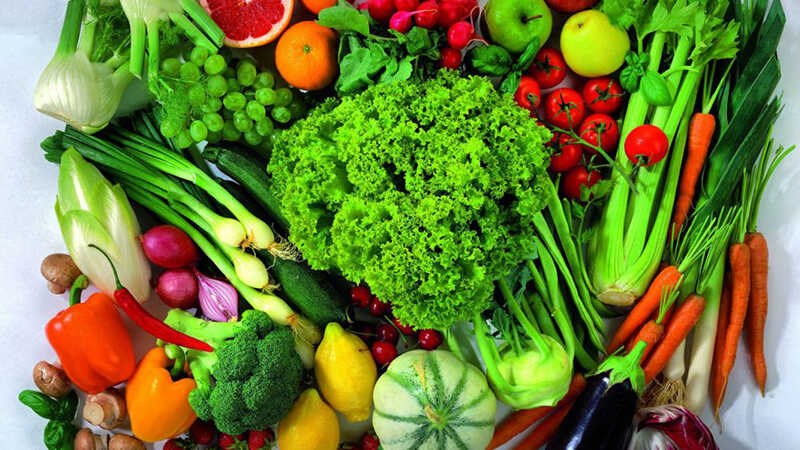
Different vegetables contain different combinations of nutrients and phytochemicals, so variety is important.
A colorful plate is often a sign that you are getting a broad range of plant compounds.
9. Tomatoes
Tomatoes are another food worth including in a heart-conscious diet.
They are particularly rich in lycopene, a carotenoid responsible for their red color.
Lycopene has antioxidant properties and has been extensively studied for its potential relationship with cardiovascular health.
Tomatoes also provide potassium, vitamin C, folate, and other beneficial plant compounds.
Interestingly, cooking tomatoes can increase the availability of lycopene in some circumstances.
This means that tomato sauces, soups, and cooked tomatoes can also contribute to a healthy diet.
However, not every tomato product is equally healthy.
Highly processed sauces can contain large amounts of added sugar or sodium.
When possible, choose products with simple ingredients and moderate sodium levels.
Fresh tomatoes combined with olive oil, leafy greens, and beans can make a simple and nutritious meal.
10. Dark Chocolate and Unsweetened Cocoa
This final food may come as a surprise.
Cocoa and dark chocolate contain flavanols, a group of plant compounds that have been studied for their effects on blood vessel function.
Some research suggests that cocoa flavanols may help support the ability of blood vessels to relax and improve certain measures of vascular function.
However, there is an important catch.
Not all chocolate is equally beneficial.
Many commercial chocolate products contain substantial amounts of added sugar, saturated fat, and calories.
If you enjoy chocolate, choose dark chocolate with a high cocoa content and consume it in moderation.
Unsweetened cocoa powder can also be used in oatmeal, yogurt, smoothies, or homemade recipes.
Think of dark chocolate as an occasional addition to a healthy diet—not as a treatment for clogged arteries.
How These Foods May Help Your Arteries
You might notice that these foods do not all work in exactly the same way.
That is actually one of their greatest advantages.
Oats and legumes provide soluble fiber that can support healthy cholesterol levels.
Fish, walnuts, avocados, and olive oil provide unsaturated fats.
Berries, tomatoes, leafy greens, and cocoa provide a wide range of plant compounds.
Many of these foods also contribute potassium, magnesium, vitamins, and minerals that support cardiovascular function.
The real benefit comes from combining them.
A diet based on a variety of minimally processed foods can influence several cardiovascular risk factors at the same time.
Foods to Limit for Better Artery Health
Adding healthy foods is only part of the equation.
It is also important to reduce foods that can work against cardiovascular health when consumed frequently or in large quantities.
These include:
Processed meats such as bacon, sausages, and hot dogs
Foods high in trans fats
Large amounts of saturated fat
Highly processed snacks
Sugary drinks
Excessive added sugar
Foods extremely high in sodium
Refined carbohydrates consumed in excess
Frequent deep-fried foods
This does not mean you can never eat these foods.
For most people, overall dietary patterns matter much more than one occasional meal.
The goal is to make healthier foods the foundation of your diet while keeping less nutritious foods occasional.
Can Food Actually "Clean" Your Arteries?
This is an important question.
You may see products or supplements advertised as "artery cleansers" or foods that supposedly "flush plaque from your arteries."
These claims should be approached with caution.
Your arteries are not pipes that can simply be scrubbed clean by eating a particular food.
Atherosclerosis is a complex biological process involving cholesterol, inflammation, blood vessel injury, immune responses, and other factors.
A healthy diet can help reduce risk factors associated with cardiovascular disease, but no single food can instantly remove established arterial plaque.
In some circumstances, lifestyle changes and medical treatment can slow the progression of atherosclerosis and reduce cardiovascular risk.
For people with high cholesterol, high blood pressure, diabetes, or established cardiovascular disease, professional medical care is especially important.
The Mediterranean Diet Approach
Interestingly, many of the foods on this list are staples of Mediterranean-style eating.
This dietary pattern emphasizes vegetables, fruits, legumes, whole grains, nuts, seeds, fish, and olive oil.
It also tends to limit highly processed foods and large amounts of processed meat and added sugar.
Rather than focusing on one "superfood," the Mediterranean approach focuses on the overall combination of foods.
That may be one of the most important lessons for protecting cardiovascular health.
You don't need to eat ten special foods every day.
Instead, build meals around vegetables, legumes, whole grains, healthy fats, and appropriate sources of protein.
Over time, these small choices can add up.
A Simple Day of Heart-Healthy Eating
What might this look like in real life?
For breakfast, you could have oatmeal topped with blueberries, walnuts, and a small amount of plain yogurt.
For lunch, try a large salad containing leafy greens, tomatoes, chickpeas, avocado, and extra-virgin olive oil.
For an afternoon snack, a small handful of walnuts and a piece of fruit can provide satisfying nutrients.
For dinner, consider grilled salmon with roasted vegetables and a serving of whole grains.
If you want dessert, a small portion of dark chocolate with berries can be an enjoyable option.
Notice that none of these foods is being treated as a miracle cure.
The power comes from the overall pattern.
Other Lifestyle Habits Matter Too
Even the healthiest diet cannot completely protect your arteries if other major risk factors are ignored.
Regular physical activity is one of the most important things you can do for cardiovascular health.
Adults generally benefit from a combination of aerobic activity and muscle-strengthening exercises.
Maintaining a healthy weight can also reduce cardiovascular risk for people who are overweight or obese.
Not smoking is critically important.
High blood pressure should be monitored and treated when necessary.
High LDL cholesterol should also be taken seriously, particularly when levels are significantly elevated or other risk factors are present.
Adequate sleep and stress management can also contribute to overall cardiovascular health.
Think of your diet as one part of a much larger picture.
The Bottom Line
Healthy arteries are essential for a healthy heart, brain, and body.
While no food can literally scrub plaque out of your arteries, many foods can support the factors that influence cardiovascular health.
Oats provide soluble fiber.
Fatty fish provide omega-3 fats.
Olive oil provides monounsaturated fat and plant compounds.
Walnuts provide healthy fats, fiber, and plant-based omega-3s.
Berries provide fiber and polyphenols.
Avocados provide monounsaturated fats, fiber, and potassium.
Beans and lentils provide fiber and plant-based protein.
Leafy greens provide vitamins, minerals, and protective plant compounds.
Tomatoes provide lycopene and other nutrients.
Dark chocolate and cocoa provide flavanols when consumed in appropriate forms and amounts.
The key is not to search for one miracle food.
Instead, create a dietary pattern where these types of foods regularly replace highly processed foods, excessive added sugars, and foods high in unhealthy fats.
Your arteries respond to your habits over time.
Every healthy meal is another opportunity to support your cardiovascular system.
And when nutritious food choices are combined with regular exercise, not smoking, healthy sleep, weight management, and appropriate medical care, they can become part of a powerful long-term strategy for protecting your heart and blood vessels.
Healthy arteries are not built by one magical food. They are supported by thousands of healthy choices made consistently over time.