Parasitic infections affect millions of people worldwide each year. While they are more common in regions with poor sanitation or contaminated food and water, they can occur almost anywhere. Parasites are organisms that live on or inside another living organism, known as the host, obtaining nutrients at the host's expense.
Many parasitic infections are mild and treatable, while others may cause more persistent digestive problems if left untreated. The symptoms can vary widely depending on the type of parasite involved, and many symptoms overlap with those of other common medical conditions. Therefore, symptoms alone cannot confirm a parasitic infection.
If you suspect a parasite, proper medical evaluation—including stool testing or other diagnostic tests—is essential. While no food can eliminate parasites already living in the body, certain nutritious foods may help support a healthy digestive system and immune function during recovery.
Here are ten possible signs of a parasitic infection and seven foods that can support overall digestive health.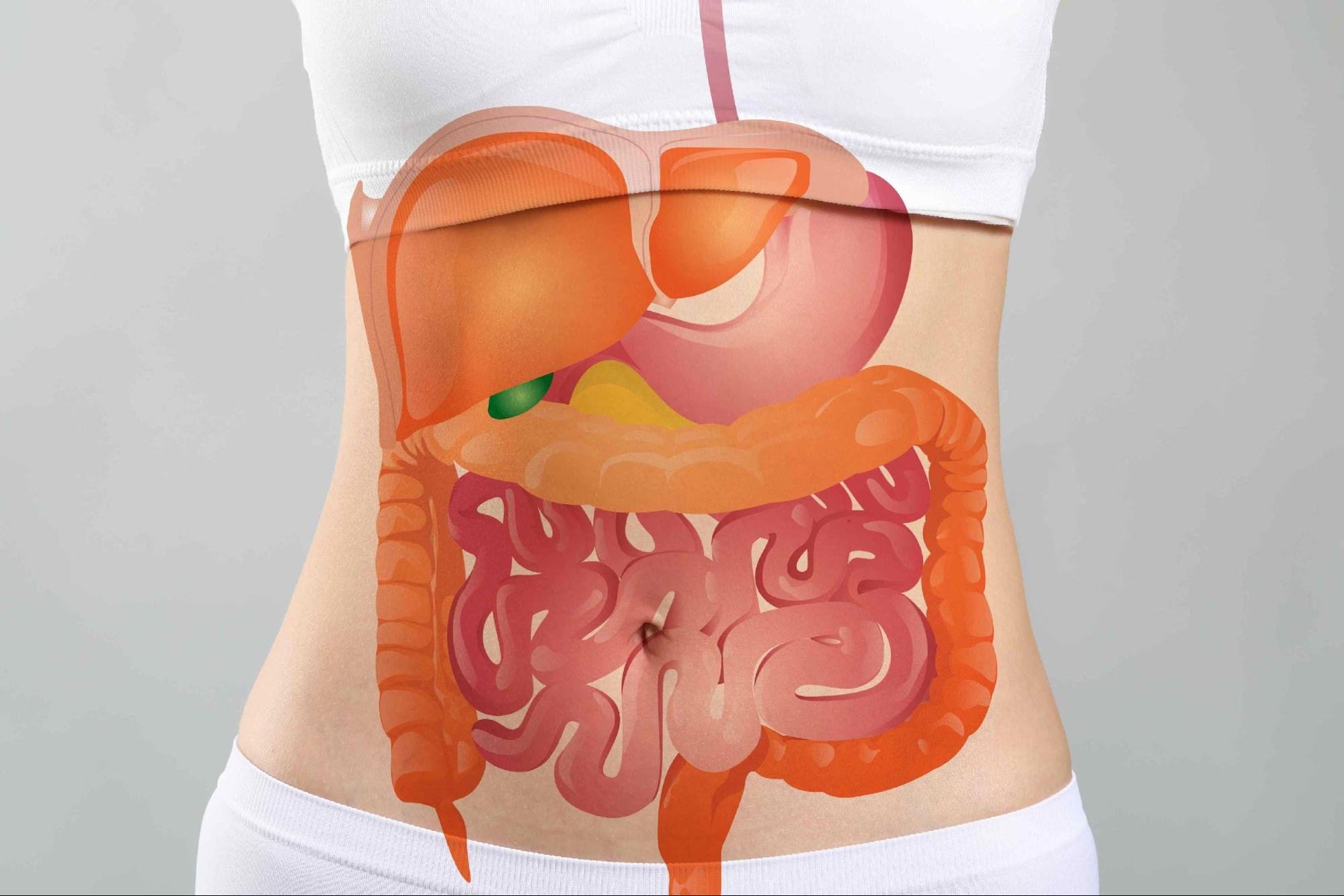
What Are Parasites?
Parasites are organisms that survive by living on or inside another organism.
Common intestinal parasites include:
-
Giardia
-
Pinworms
-
Roundworms
-
Tapeworms
-
Hookworms
-
Whipworms
People may become infected through:
-
Contaminated food
-
Unsafe drinking water
-
Poor hand hygiene
-
Undercooked meat or fish
-
Contact with infected animals
-
Travel to areas where parasites are more common
Fortunately, many parasitic infections can be effectively treated with prescription medications.
10 Possible Signs of a Parasitic Infection
1. Persistent Diarrhea
One of the most common symptoms of intestinal parasites is diarrhea that lasts for several days or weeks.
Possible accompanying symptoms include:
-
Loose stools
-
Urgent bowel movements
-
Dehydration
However, diarrhea is much more commonly caused by viral or bacterial infections than parasites.
2. Abdominal Pain or Cramping
Many intestinal parasites can irritate the digestive tract.
People may experience:
-
Cramping
-
Bloating
-
General stomach discomfort
These symptoms are also common in conditions such as irritable bowel syndrome (IBS), food intolerance, and viral gastroenteritis.
3. Unexplained Weight Loss
Some parasites interfere with nutrient absorption.
As a result, affected individuals may gradually lose weight despite eating normally.
Weight loss should always be medically evaluated, regardless of the cause.
4. Persistent Fatigue
When the body is fighting infection or absorbing nutrients poorly, fatigue may develop.
Persistent tiredness may also result from:
-
Anemia
-
Thyroid disease
-
Sleep disorders
-
Chronic infections
-
Many other medical conditions
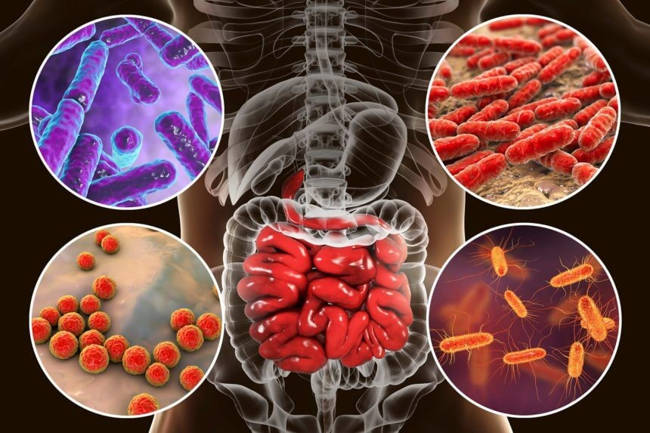
5. Bloating and Excess Gas
Frequent bloating may occur because intestinal parasites can interfere with normal digestion.
However, bloating is far more commonly caused by:
-
Constipation
-
Food intolerance
-
IBS
-
Swallowing excess air
6. Nausea
Some people with parasitic infections experience:
-
Nausea
-
Reduced appetite
-
Occasional vomiting
These symptoms are not specific to parasites and require proper evaluation if persistent.
7. Itching Around the Anal Area
Nighttime itching around the anus is commonly associated with pinworm infection, particularly in children.
However, skin irritation and hemorrhoids may produce similar symptoms.
Persistent itching should be discussed with a healthcare provider.
8. Iron-Deficiency Anemia
Certain parasites may contribute to blood loss or reduced nutrient absorption.
Possible symptoms include:
-
Pale skin
-
Weakness
-
Dizziness
-
Shortness of breath
Blood testing can help determine the cause.
9. Visible Worms or Segments in Stool
Occasionally, people notice worms or small worm segments in their stool.
If this occurs, medical evaluation is recommended promptly.
Laboratory testing can identify the specific parasite and guide treatment.
10. Persistent Digestive Symptoms After Travel
Travel to regions where parasitic infections are more common may increase exposure.
If digestive symptoms continue after returning home, healthcare providers may recommend testing based on your travel history.
How Doctors Diagnose Parasitic Infections
Symptoms alone cannot confirm a parasite.
Diagnosis may involve:
-
Stool examination
-
Stool antigen testing
-
Blood tests
-
Imaging studies (in selected cases)
-
Endoscopy (rarely)
Identifying the specific parasite is important because treatment differs between organisms.
Treatment Usually Requires Medication
Many parasitic infections respond well to prescription antiparasitic medications.
Examples include medications prescribed specifically for:
-
Giardia
-
Pinworms
-
Tapeworms
-
Roundworms
The correct medication depends entirely on the identified parasite.
Diet alone cannot eliminate intestinal parasites.
7 Foods That May Support Digestive Health
Although foods cannot replace medical treatment, nutritious eating supports recovery and overall gut health.
1. Yogurt With Live Cultures
Yogurt containing live probiotic cultures may help restore normal intestinal bacteria after certain digestive illnesses.
Choose products with minimal added sugar whenever possible.
2. Garlic
Garlic contains natural compounds that have demonstrated antimicrobial activity in laboratory studies.
However, there is no strong clinical evidence that eating garlic can cure intestinal parasites in humans.
It remains a flavorful addition to a balanced diet.
3. Papaya
Papaya provides:
-
Vitamin C
-
Vitamin A
-
Fiber
-
Digestive enzymes
Although papaya seeds have been studied in small preliminary trials, they are not an established treatment for parasitic infections.
Fresh papaya can still be part of a healthy diet.
4. Pumpkin Seeds
Pumpkin seeds are rich in:
-
Protein
-
Magnesium
-
Zinc
-
Healthy fats
Some traditional medicine systems have used pumpkin seeds for intestinal health, but current evidence is insufficient to recommend them as a treatment for parasites.
5. Ginger
Ginger may help support digestion and reduce nausea in some people.
It does not eliminate parasites but may improve digestive comfort.
6. High-Fiber Foods
Fiber supports healthy bowel function.
Good sources include:
-
Oats
-
Beans
-
Apples
-
Pears
-
Vegetables
-
Whole grains
A healthy digestive system benefits from regular fiber intake.
7. Fermented Foods
Foods such as:
-
Kefir
-
Kimchi
-
Sauerkraut
contain beneficial bacteria that support gut microbiome diversity.
A healthy gut microbiome plays an important role in digestive and immune health.
Preventing Parasitic Infections
Good hygiene remains the best prevention.
Simple habits include:
Wash Your Hands
Especially:
-
Before eating
-
After using the restroom
-
After handling pets
-
Before preparing food
Drink Safe Water
Use treated or bottled water when traveling to areas where water safety is uncertain.
Cook Meat Thoroughly
Proper cooking reduces the risk of parasites found in:
-
Beef
-
Pork
-
Fish
-
Wild game
Wash Fruits and Vegetables
Rinse fresh produce thoroughly under running water before eating.
Wear Shoes Outdoors
Walking barefoot in contaminated soil increases the risk of certain parasitic infections, particularly hookworms.
Common Myths About Parasites
Myth 1: Everyone Has Parasites
False.
Most people do not have intestinal parasites.
Myth 2: Certain Foods Can Kill Parasites
No food has been proven to eliminate intestinal parasites in humans.
Prescription medications remain the standard treatment.
Myth 3: Parasites Always Cause Severe Symptoms
Some infections produce very mild symptoms—or none at all.
Others may cause significant digestive illness.
When Should You See a Doctor?
Arrange medical evaluation if you experience:
-
Persistent diarrhea lasting more than several days.
-
Blood in the stool.
-
Unexplained weight loss.
-
Severe abdominal pain.
-
Ongoing fatigue.
-
Persistent nausea.
-
Worms visible in stool.
-
Symptoms after travel to high-risk areas.
Early diagnosis allows effective treatment and helps prevent complications.
:format(webp)/ky_sinh_trung_duong_ruot_la_gi_cach_phong_ngua_hieu_qua_0_771b964330.png)
Final Thoughts
Parasitic infections can cause a variety of digestive symptoms, including diarrhea, abdominal pain, bloating, fatigue, weight loss, and changes in bowel habits. However, these symptoms are not specific to parasites and are much more commonly caused by other digestive conditions. Proper medical evaluation is essential whenever symptoms persist or worsen.
While nutritious foods such as yogurt, garlic, papaya, pumpkin seeds, ginger, high-fiber foods, and fermented foods may help support digestive health and recovery, they should never be viewed as substitutes for proven antiparasitic medications. Maintaining good hygiene, practicing safe food handling, and seeking prompt medical care when symptoms arise remain the most effective ways to protect yourself from parasitic infections and maintain a healthy digestive system.