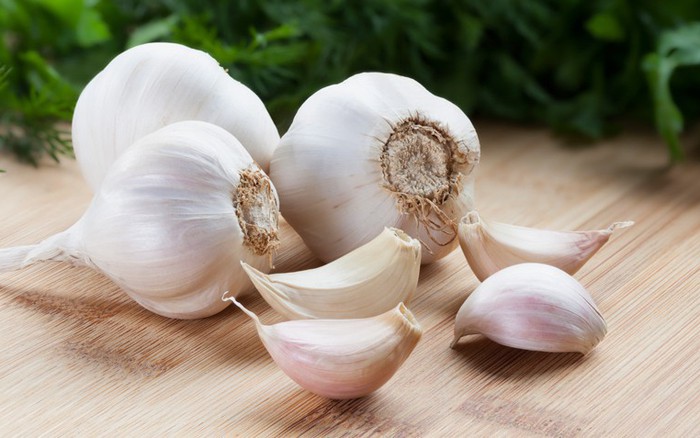
Garlic has been used for thousands of years—not just as a flavor-enhancing ingredient, but as a medicinal plant valued across civilizations. Ancient Egyptian, Greek, Chinese, and Indian medical systems all recognized garlic as a powerful natural remedy.
Modern science now confirms what traditional medicine long observed: garlic contains potent bioactive compounds that support immunity, combat infections, reduce inflammation, and protect overall health.
At the center of garlic’s therapeutic power is a sulfur-containing compound called allicin, which forms when garlic is crushed or chopped. Allicin is responsible for many of garlic’s antimicrobial and immune-supportive properties.
Below are twelve scientifically supported benefits of garlic—and how it helps the body fight infections naturally.
1. Strengthens the Immune System
Garlic stimulates the activity of immune cells, including macrophages, lymphocytes, and natural killer cells. These cells play a crucial role in identifying and eliminating pathogens.
Regular consumption may:
-
Enhance immune responsiveness
-
Shorten the duration of common colds
-
Reduce susceptibility to seasonal infections
Rather than directly replacing medical treatments, garlic acts as an immune modulator—supporting the body’s natural defense systems.

2. Natural Antibacterial Properties
Allicin exhibits broad-spectrum antibacterial activity. Laboratory studies show garlic can inhibit various strains of bacteria, including some antibiotic-resistant strains.
Its mechanism includes:
-
Disrupting bacterial cell walls
-
Interfering with enzyme systems
-
Preventing bacterial replication
This makes garlic a valuable supportive agent during mild bacterial challenges.
3. Antiviral Support
Garlic compounds have demonstrated antiviral activity in experimental settings. While not a cure, garlic may reduce viral replication and enhance immune response against viruses.
It is commonly used during:
-
Cold and flu season
-
Mild respiratory infections
-
Viral-related immune stress
Its immune-enhancing effect may be more important than direct viral inhibition.
4. Antifungal Effects
Garlic has been shown to inhibit fungal organisms, including Candida species.
Mechanisms include:
-
Disruption of fungal membrane integrity
-
Interference with fungal enzyme systems
This antifungal capacity makes garlic useful in supporting gut and skin microbial balance.

5. Anti-Inflammatory Action
Chronic inflammation contributes to many diseases, including cardiovascular disease and metabolic disorders.
Garlic reduces inflammatory markers by:
-
Lowering pro-inflammatory cytokines
-
Reducing oxidative stress
-
Modulating inflammatory signaling pathways
This anti-inflammatory effect supports infection recovery and long-term health.
6. Rich in Antioxidants
Garlic contains powerful antioxidants that neutralize free radicals. These unstable molecules can damage cells and weaken immune function.
Antioxidants in garlic may:
-
Protect immune cells
-
Slow cellular aging
-
Support overall organ function
By reducing oxidative stress, garlic strengthens the body’s resilience to infection.
7. Supports Cardiovascular Health
Garlic has been widely studied for heart health benefits. It may:
-
Lower blood pressure
-
Reduce LDL cholesterol
-
Improve arterial elasticity
Healthy circulation improves oxygen and nutrient delivery to immune tissues, indirectly strengthening infection defense.
8. Helps Detoxify the Body
Garlic supports liver function and detoxification pathways.
Sulfur compounds in garlic assist in:
-
Binding heavy metals
-
Supporting liver enzyme activity
-
Enhancing toxin elimination
A well-functioning detox system contributes to stronger immune defense.
9. May Reduce Cold Severity and Duration
Clinical studies suggest that individuals who regularly consume garlic experience fewer colds and recover more quickly.
Possible explanations include:
-
Enhanced immune cell activity
-
Reduced inflammatory response
-
Improved pathogen clearance
Though results vary, consistent intake appears beneficial.
10. Supports Gut Health
The gut houses a large portion of the immune system. Garlic acts as a prebiotic, supporting beneficial gut bacteria.
It helps:
-
Promote microbial diversity
-
Suppress harmful organisms
-
Strengthen gut barrier integrity
Balanced gut flora is essential for immune regulation and infection prevention.