Kidney stones are among the most painful urinary conditions a person can experience. The discomfort can escalate quickly—sharp lower back pain, nausea, burning urination, and an almost constant anxiety about when the next episode might occur. Globally, kidney stones are becoming more common, partly due to dietary habits, dehydration, and metabolic factors.
While modern medicine provides effective diagnostic tools and treatments—from pain management to surgical removal—many individuals seek complementary approaches to support kidney health and reduce recurrence risk. One plant that consistently appears in both traditional and modern discussions is commonly known as the Stone Breaker Plant, scientifically referred to as Phyllanthus niruri.
This small, unassuming herb has a long history of use in traditional medicine systems across South America, India, Southeast Asia, and parts of Africa. Over time, it has gained a reputation for its supportive role in kidney and urinary health.
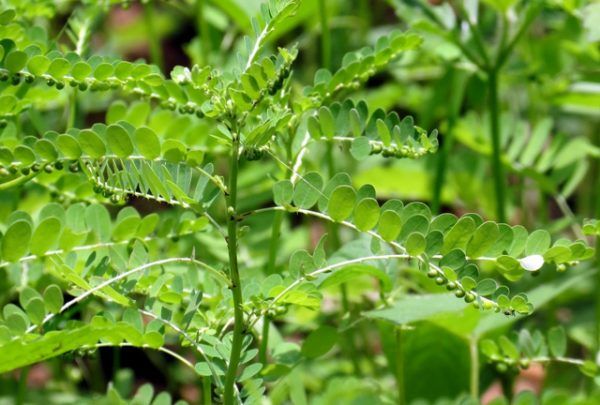
What Is the Stone Breaker Plant?
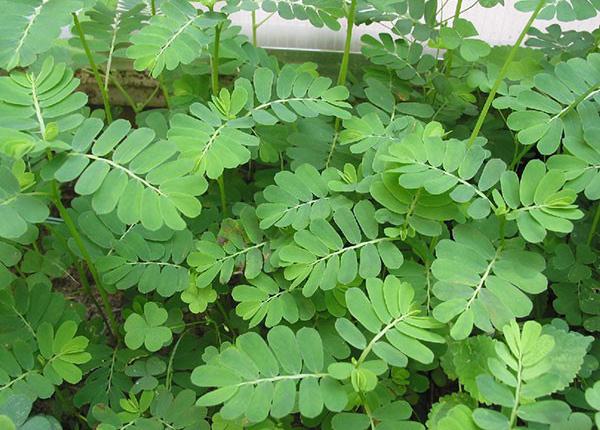
The name “Stone Breaker Plant” most frequently refers to Phyllanthus niruri, a small, leafy herb that thrives in tropical and subtropical climates. It grows close to the ground and produces tiny seeds beneath its leaves, which is why it is sometimes called “seed-under-leaf.”
Depending on the region, it is known by several traditional names:
-
Chanca piedra (Spanish)
-
Quebra-pedra (Portuguese)
-
Stonebreaker
-
Seed-under-leaf
Traditional healers typically use the entire plant—leaves, stems, and roots—either fresh or dried. For centuries, it has been valued for supporting the kidneys, liver, and urinary tract.
Why the Name “Stone Breaker”?
The nickname originates from its historical use in managing kidney and gallstones. The plant does not literally shatter stones instantly. Instead, its reputation is rooted in its ability to support biological processes that may:
-
Reduce mineral crystallization
-
Relax urinary tract muscles
-
Promote smoother passage of small stones
-
Limit the aggregation of mineral deposits
When these mechanisms work together, stones may be less likely to form and easier to pass naturally.
Understanding How Kidney Stones Form
To appreciate how Phyllanthus niruri may help, it is important to understand how kidney stones develop.
Kidney stones form when minerals—such as calcium, oxalate, phosphate, or uric acid—become highly concentrated in the urine. When urine volume is low or mineral balance is disrupted, these substances can crystallize. Over time, crystals cluster together and harden into stones.
Common contributing factors include:
-
Chronic dehydration
-
High sodium intake
-
Diets rich in oxalates or excessive animal protein
-
Metabolic imbalances
-
Genetic predisposition
Prevention strategies typically focus on increasing hydration, improving urine flow, and maintaining mineral balance. Herbal support may complement these efforts.
How the Stone Breaker Plant May Support Kidney Health
1. Inhibiting Crystal Formation
Laboratory and clinical research suggests that compounds within Phyllanthus niruri may interfere with the crystallization process. Specifically, the plant may reduce the tendency of calcium oxalate crystals to bind together or adhere to kidney walls.
By limiting crystal aggregation, the plant may help:
-
Prevent the formation of new stones
-
Keep mineral deposits smaller and easier to eliminate
This mechanism addresses the early stages of stone development rather than only the symptoms.
2. Supporting Natural Stone Passage
One of the most distressing aspects of kidney stones is the intense pain that occurs when stones move through the ureters. Traditional use and preliminary studies suggest that the plant may help relax smooth muscles within the urinary tract.
This muscle relaxation may:
-
Reduce spasms
-
Ease discomfort
-
Facilitate the smoother passage of small stones
While it is not a substitute for medical care in severe cases, this effect may provide supportive relief for minor stone movement.

3. Promoting Healthy Urine Flow
The Stone Breaker Plant has mild diuretic properties. Increased urine production can dilute mineral concentrations in the urinary system, lowering the likelihood of crystal formation.
Greater urine flow also helps flush out microscopic particles before they accumulate into larger stones. This flushing effect is especially important for individuals prone to recurrent stones.
4. Anti-Inflammatory and Antioxidant Activity
Kidney stones can irritate and inflame urinary tissues. Phyllanthus niruri contains bioactive compounds with antioxidant and anti-inflammatory effects.
These properties may help:
-
Reduce oxidative stress in kidney tissues
-
Calm inflammation caused by stone movement
-
Support overall urinary tract resilience
Oxidative stress plays a role in many chronic conditions, so antioxidant support can contribute to broader health benefits beyond stone prevention.
Additional Traditional Uses Beyond Kidney Stones
Although best known for its role in urinary health, the Stone Breaker Plant has been used traditionally for other supportive purposes.
Liver Support
In several traditional medicine systems, the herb is valued for promoting liver function and bile flow. It has been used to support detoxification pathways and maintain liver enzyme balance.
Urinary Tract Balance
Its antimicrobial and anti-inflammatory qualities may help maintain urinary tract comfort and microbial balance.
Metabolic Health
Emerging research suggests possible supportive effects on blood sugar and cholesterol regulation, although further studies are needed to confirm these benefits conclusively.
Forms of Use
The Stone Breaker Plant is commonly consumed in several preparations:
-
Herbal tea made by steeping dried leaves and stems
-
Capsules or tablets containing standardized extracts
-
Liquid tinctures
In traditional practice, it is typically used for defined periods rather than continuously throughout the year. Cyclical use allows the body to benefit without overdependence.
Safety and Precautions
Although generally regarded as safe when used appropriately, Phyllanthus niruri is not suitable for everyone.
Precautions include:
-
Avoid use during pregnancy or breastfeeding unless supervised by a healthcare professional
-
Individuals with low blood pressure or low blood sugar should exercise caution
-
Those taking diuretics or medications affecting kidney function should consult a physician
Importantly, severe kidney stones, intense pain, fever, or urinary obstruction require immediate medical attention. Herbal remedies should complement—not replace—professional care.
Scientific Evidence and Ongoing Research
Modern research has begun to validate many traditional claims associated with the Stone Breaker Plant. Clinical studies have observed:
-
Reduced stone recurrence rates in some individuals
-
Decreases in stone size
-
Improved urinary parameters
However, researchers emphasize that outcomes vary. Herbal interventions are most effective when integrated into a comprehensive health strategy that includes hydration, dietary management, and medical supervision when necessary.
Lifestyle Habits That Strengthen Its Benefits
No herb can counteract persistent dehydration or poor nutrition. For individuals prone to kidney stones, supportive habits are essential:
-
Drink adequate water daily to maintain clear or light-colored urine
-
Limit excessive sodium intake
-
Balance dietary calcium rather than eliminating it entirely
-
Moderate consumption of oxalate-rich foods when appropriate
-
Maintain a healthy body weight
When combined with these practices, herbal support may be more effective.
Final Reflections
The Stone Breaker Plant has earned its reputation through centuries of traditional use and growing scientific interest. It represents an example of how plant-based remedies can complement modern medical approaches.
While not a miracle cure, Phyllanthus niruri may offer meaningful support for individuals concerned about kidney stone formation and urinary health. Its potential to reduce crystal aggregation, promote urine flow, and calm inflammation highlights the importance of addressing root causes rather than symptoms alone.
When used responsibly and in partnership with appropriate medical guidance, this modest tropical herb reflects a broader principle in health care: sometimes the most effective support does not force the body into change—it encourages it to restore balance naturally..png)