7 Areas of the Body That May Darken — And What It Really Means
Headlines often suggest that darkening skin in certain areas automatically signals cancer. That is misleading.
Skin color changes can occur for many reasons — hormonal shifts, friction, metabolic disorders, inflammation, or pigmentation changes. In rare cases, some cancers may cause skin changes, but darkening alone does not equal a cancer diagnosis.
This article clarifies seven body areas where darkening may occur, what the common causes are, and when medical evaluation is important.
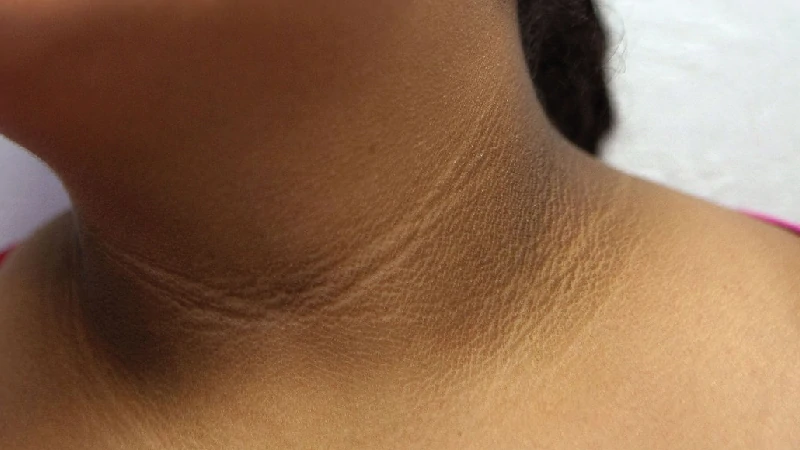
1. Neck
Darkening on the back or sides of the neck is most commonly linked to acanthosis nigricans, which is associated with insulin resistance.
It may appear:
-
Velvety
-
Thickened
-
Brown or grayish
Most common causes:
-
Prediabetes
-
Type 2 diabetes
-
Obesity
-
PCOS
Rarely, sudden severe onset in older adults may warrant further evaluation.


2. Armpits
Similar to the neck, underarm darkening is usually metabolic rather than malignant.
Other causes include:
-
Shaving irritation
-
Friction
-
Deodorant reactions
-
Hormonal changes
If texture changes significantly or spreads rapidly, medical review is appropriate.
3. Groin Area
Pigmentation changes in the groin may result from:
-
Friction
-
Post-inflammatory hyperpigmentation
-
Hormonal imbalance
-
Fungal infections
Sudden ulceration, bleeding, or non-healing lesions require prompt evaluation.



4. Abdomen (Especially Around Scars or Stretch Marks)
The image shows visible abdominal veins, often related to advanced liver disease rather than cancer.
Severe liver conditions can cause:
-
Prominent veins (caput medusae)
-
Yellowing skin
-
Fluid accumulation
Darkening itself is not typically a primary cancer sign, but liver dysfunction warrants urgent evaluation.
5. Palms or Soles
Unusual darkening on palms may sometimes relate to:
-
Addison’s disease (adrenal insufficiency)
-
Certain medication reactions
-
Rarely, internal malignancy (paraneoplastic syndromes)
Diffuse pigmentation changes with fatigue and low blood pressure require testing.


6. Around the Mouth or Eyes
Darkening in these areas often results from:
-
Hormonal changes (melasma)
-
Sun exposure
-
Allergic reactions
-
Post-inflammatory pigmentation
Melasma is common during pregnancy or with contraceptive use.
It is not a cancer marker.
7. Moles or Localized Skin Spots
This is where caution matters most.
Changes in existing moles — not just darkening but:
-
Irregular borders
-
Asymmetry
-
Rapid growth
-
Color variation
-
Bleeding
These signs may suggest melanoma, a form of skin cancer.
Dermatologists use the ABCDE rule:
-
Asymmetry
-
Border irregularity
-
Color variation
-
Diameter >6mm
-
Evolving over time


When Darkening Is Concerning
Seek medical evaluation if:
-
Pigmentation appears suddenly without explanation
-
It spreads rapidly
-
It is accompanied by unexplained weight loss
-
There are persistent ulcers
-
Bleeding occurs
-
Fatigue or systemic symptoms develop
Gradual darkening in skin folds is usually metabolic.
Sudden systemic symptoms require investigation.
What Darkening Usually Means
In most cases, darkening results from:
-
Hormonal imbalance
-
Insulin resistance
-
Chronic friction
-
Sun exposure
-
Inflammation
Cancer-related pigmentation changes are rare compared to these common causes.
The Bigger Health Message
Skin often reflects internal health.
Rather than focusing on fear-based headlines, the productive approach is:
-
Maintain healthy weight
-
Monitor blood sugar
-
Protect skin from sun damage
-
Perform monthly skin checks
-
Schedule regular medical exams
Early detection of metabolic conditions prevents long-term complications.
Balanced Conclusion
Darkening in certain body areas does not automatically indicate cancer.
Most pigmentation changes are benign and manageable. However, sudden, evolving, or symptomatic skin changes deserve professional evaluation.
Self-awareness is helpful. Self-diagnosis is not.
If unusual skin changes occur, consult a healthcare provider for proper testing and guidance.