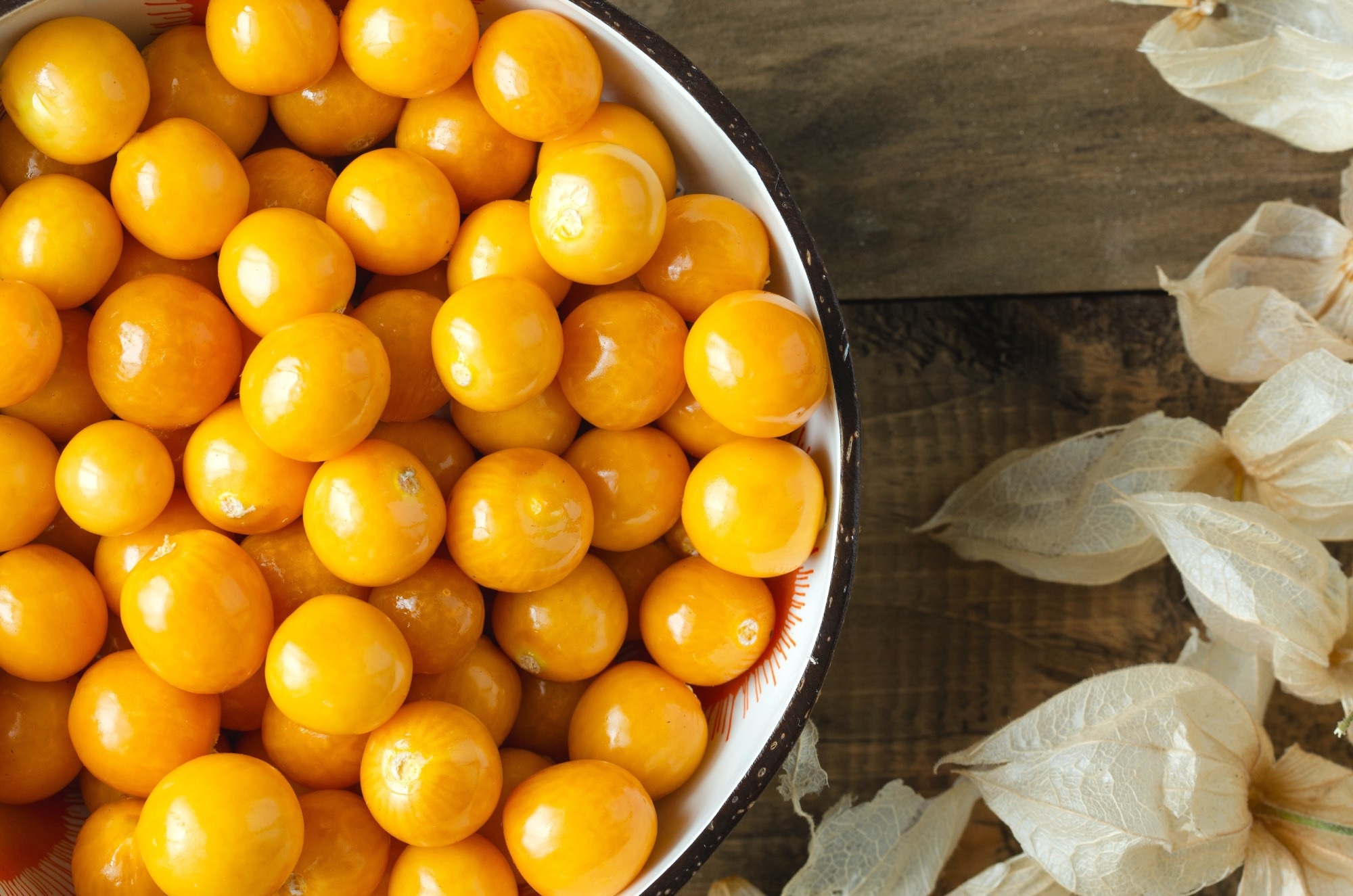
Bright orange, slightly tangy, and wrapped in delicate lantern-like husks, goldenberries — also known as Physalis peruviana, Inca berries, or cape gooseberries — are one of nature’s most intriguing fruits. Their flavor sits somewhere between mango and pineapple, balancing sweetness with a refreshing citrus-like tartness.
But beyond their vibrant taste and striking appearance lies something even more impressive: a dense concentration of nutrients, antioxidants, and bioactive plant compounds that may support overall health in multiple ways.
Often overlooked in favor of more common berries, goldenberries deserve closer attention — not as miracle cures, but as nutrient-rich foods that can enhance a balanced diet.
Let’s explore what makes this fruit so special, its potential health-supporting properties, and how to enjoy it safely.

What Are Goldenberries?
Goldenberries belong to the nightshade family (Solanaceae), alongside tomatoes, peppers, and eggplants. Native to the Andean regions of Peru, Colombia, and Ecuador, they have been cultivated for centuries in South America.
Historically, traditional Andean healers used goldenberries to support immune strength, vision health, and liver function. Modern nutritional research has helped explain why.
Goldenberries are:
-
Rich in vitamin C
-
A good source of vitamin A (beta-carotene)
-
Contain B-complex vitamins such as niacin (B3) and thiamine (B1)
-
High in fiber
-
Provide potassium, phosphorus, magnesium, and iron
-
Packed with polyphenols, carotenoids, and withanolides
-
Low in calories and naturally fat-free
This combination makes them nutritionally dense relative to their size.
Potential Health Benefits of Goldenberries
1. Immune System Support
Goldenberries contain significant levels of vitamin C, a powerful antioxidant that supports immune defense. Vitamin C helps stimulate white blood cell production and protects immune cells from oxidative damage.
Regular intake of vitamin C-rich foods may help reduce the duration and severity of common infections.
2. Cardiovascular Health
Goldenberries provide potassium, which plays a critical role in regulating blood pressure by balancing sodium levels.
They also contain phytosterols — plant compounds known to help lower LDL (“bad”) cholesterol levels. Combined with antioxidants that protect blood vessels from inflammation, goldenberries may contribute to heart health as part of an overall balanced diet.

3. Brain Function and Cognitive Support
The B vitamins found in goldenberries, particularly niacin and thiamine, are essential for brain metabolism and energy production.
Their antioxidant content may help protect neurons from oxidative stress, a factor associated with age-related cognitive decline. While more research is needed, antioxidant-rich diets are generally linked to better long-term brain health.
4. Skin Health and Anti-Aging Support
Goldenberries contain beta-carotene and vitamin C, both of which contribute to collagen production and skin repair.
These nutrients may help:
-
Improve skin elasticity
-
Reduce oxidative damage
-
Support clearer, brighter-looking skin
Antioxidants combat free radicals, which contribute to premature aging.
5. Bone Health
The fruit contains minerals such as phosphorus and small amounts of calcium, along with vitamin K — all important for maintaining bone density.
Though not a primary calcium source, goldenberries contribute to overall skeletal support when consumed as part of a nutrient-rich diet.
6. Blood Sugar Regulation
Goldenberries have a relatively low glycemic index and contain fiber, which slows glucose absorption.
Certain plant compounds, including polyphenols and withanolides, have been studied for their potential to support insulin sensitivity. While they are not a replacement for medical treatment, goldenberries may be suitable in moderation for individuals monitoring blood sugar levels.
7. Liver Support
Traditional medicine has long considered goldenberries beneficial for liver health. Modern research suggests their antioxidant profile may help protect liver cells from toxin-related oxidative stress.
This protective effect is described as hepatoprotective activity in laboratory studies, though human research remains ongoing.
8. Weight Management Support
Goldenberries are relatively low in calories — approximately 50 calories per 100 grams — while offering fiber and nutrients.
Fiber promotes satiety, helping reduce cravings and support appetite control. Their natural sweetness can also serve as a healthier alternative to processed sugary snacks.
9. Anti-Inflammatory Properties
Goldenberries contain withanolides, compounds also found in plants like ashwagandha. These substances have demonstrated anti-inflammatory activity in laboratory settings.
Reducing chronic inflammation is associated with a lower risk of many long-term conditions, including heart disease and metabolic disorders.

10. Eye Health
The high beta-carotene (vitamin A precursor) content supports eye function and helps protect against oxidative damage linked to age-related vision changes.
Vitamin A is essential for maintaining healthy retinas and preventing night blindness.
11. Digestive Support
Goldenberries are a good source of dietary fiber. Fiber:
-
Promotes regular bowel movements
-
Supports beneficial gut bacteria
-
Helps prevent constipation
-
Contributes to digestive comfort
Their mild tartness can also stimulate digestive enzymes.
12. Iron Absorption and Anemia Prevention
Goldenberries contain both iron and vitamin C — a combination that enhances iron absorption in the body. This makes them a valuable addition for individuals seeking to support red blood cell production.
13. Hormonal Balance
Some of the plant compounds in goldenberries may influence hormonal pathways, particularly stress-related hormones. While more human research is needed, nutrient-dense fruits can help stabilize energy and mood fluctuations linked to hormonal changes.
14. Natural Hydration
Goldenberries have a relatively high water content and provide electrolytes like potassium and magnesium. They make a refreshing snack, especially in warm climates or after exercise.
15. Oral Health Support
Goldenberries contain antimicrobial compounds that may help inhibit bacteria associated with gum inflammation and tooth decay. However, they should not replace proper oral hygiene.
16. Mood and Emotional Well-Being
Goldenberries contain small amounts of tryptophan — an amino acid involved in serotonin production. Combined with B vitamins and magnesium, they may contribute to nervous system balance.
17. Wound Healing Support
Vitamin C plays a key role in tissue repair and collagen formation. Diets rich in vitamin C support faster wound healing and skin regeneration.
18. Potential Anti-Cancer Properties
Early laboratory research suggests withanolides may inhibit certain cancer cell lines. While promising, these findings are preliminary and should not be interpreted as medical treatment.
Goldenberries may contribute to cancer prevention indirectly through antioxidant protection and inflammation reduction.
19. Sleep Support
Magnesium and B vitamins help regulate the nervous system and sleep cycles. Consuming nutrient-rich foods may indirectly support better rest.
20. Hair and Scalp Health
Iron, vitamin C, and antioxidants support healthy circulation and nutrient delivery to hair follicles. This may contribute to stronger hair growth and reduced breakage over time.
How to Enjoy Goldenberries
Goldenberries can be eaten:
-
Fresh, straight from the husk
-
Blended into smoothies
-
Added to salads
-
Used in jams and sauces
-
Dried as a snack
-
Steeped into herbal tea
-
Infused into water overnight
Their tangy flavor pairs well with both sweet and savory dishes.
Safety and Precautions
Goldenberries are generally safe when fully ripe. However:
-
Unripe green berries contain solanine and should not be consumed
-
Overconsumption may cause mild digestive discomfort
-
Individuals on blood pressure or blood sugar medication should consult a healthcare professional before regular consumption
Moderation is important with any functional food.
Final Thoughts
Goldenberries may be small, but their nutritional profile is impressive. From immune support and heart health to digestive balance and skin vitality, they offer a wide range of potential benefits when incorporated into a varied diet.
They are not miracle cures — but they are a vibrant, nutrient-dense addition to everyday meals.
The next time you see those bright orange fruits wrapped in delicate paper husks, remember: inside that tiny golden sphere lies a concentrated burst of nourishment, flavor, and tradition.