Your feet often reveal more about your health than you might expect. While most people focus on obvious symptoms like chest pain or fatigue, the body sometimes sends early warning signals through subtle physical changes—especially in the feet. The image above highlights two such signs: thickened, discolored toenails and unusual nail texture. Though they may appear harmless at first, these changes can sometimes point to deeper underlying health problems that should not be ignored.
1. Thickened, Discolored Toenails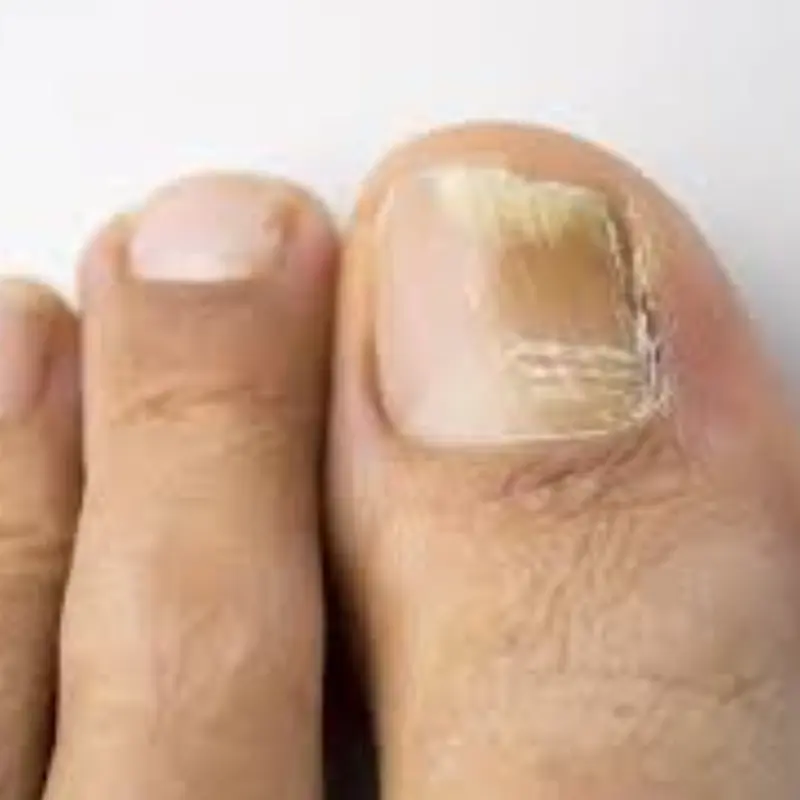
One of the most noticeable features in the image is the yellowish, thickened appearance of the toenails. Many people immediately assume this is simply a fungal infection—and often, it is. Toenail fungus is common and can cause nails to become brittle, crumbly, or discolored. However, persistent or severe nail changes may also be linked to more serious health issues.
Poor circulation is one of the main concerns. When blood flow to the feet is reduced, the nails may grow more slowly and become thicker or distorted. This reduced circulation can be associated with conditions such as peripheral artery disease (PAD), a disorder that narrows the arteries and limits blood supply to the limbs. PAD is sometimes referred to as a “silent killer” because it can progress without obvious symptoms until serious complications occur.
In some cases, discolored nails may also be connected to diabetes. High blood sugar levels can damage blood vessels and nerves, especially in the feet. This damage can lead to infections that are difficult to heal, including fungal infections that affect the nails. If left untreated, these seemingly minor issues can develop into more serious complications.
2. Brittle or Crumbling Nail Texture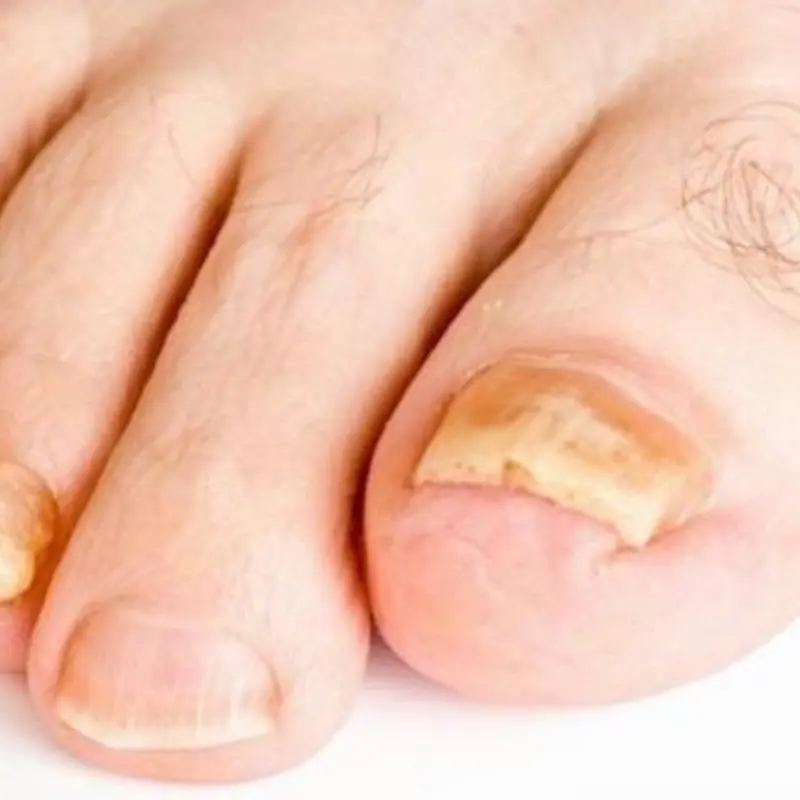
Another subtle sign shown in the image is the brittle, uneven texture of the toenails. Nails that crack, split, or crumble easily may be more than a cosmetic issue. This condition can indicate nutritional deficiencies, reduced circulation, or chronic health problems.
For instance, deficiencies in essential nutrients like iron, zinc, and biotin can weaken nail structure. When the body lacks these nutrients, nail growth slows and becomes fragile. However, if brittle nails are accompanied by other symptoms—such as numbness in the feet, cold toes, or slow-healing wounds—it may suggest circulatory or metabolic disorders.
Brittle nails may also appear in people with thyroid disorders or long-term inflammatory conditions. These underlying issues can interfere with the body’s ability to deliver oxygen and nutrients to the extremities, leading to visible changes in the nails.
Why Foot Health Matters
The feet are often the first place where circulation and nerve problems appear. Because they are farthest from the heart, any disruption in blood flow tends to show up there early. Unfortunately, many people overlook foot symptoms until they become painful or severe.
Regularly checking your feet can provide valuable clues about your overall health. Changes in nail color, thickness, or texture should not be dismissed—especially if they persist for weeks or months. Early detection of underlying issues can help prevent more serious complications later on.
When to Seek Medical Advice
While not every nail change signals a dangerous condition, certain signs warrant attention. Consider consulting a healthcare professional if you notice:
-
Persistent yellow, brown, or black discoloration
-
Nails that become unusually thick or distorted
-
Crumbling or splitting nails that don’t improve
-
Pain, swelling, or numbness in the feet
-
Slow-healing cuts or sores
A simple examination can help determine whether the cause is a fungal infection, nutritional deficiency, or something more serious.
Taking Preventive Steps
Maintaining good foot hygiene and overall health can reduce the risk of complications. Keep your feet clean and dry, trim nails properly, and wear breathable footwear. Managing chronic conditions such as diabetes, maintaining a balanced diet, and staying physically active also support healthy circulation.