Strokes rarely happen without warning. In many cases, the body sends subtle signals weeks or even months before a major event occurs. One of the most common underlying causes of stroke is a blood clot in the brain, which can gradually disrupt normal blood flow. While some symptoms appear suddenly and dramatically, others develop quietly and are easy to overlook.
Understanding these early warning signs can help individuals seek medical attention sooner and potentially prevent serious complications. Here are nine subtle symptoms that may signal a brain clot before a stroke strikes.
1. Persistent Headaches
Frequent or unusual headaches can be an early sign of reduced blood flow to the brain. These headaches may feel different from typical tension or migraine headaches. They may occur more often, last longer, or intensify over time. While not every headache indicates a serious issue, persistent or severe headaches should never be ignored.
2. Numbness or Tingling in the Limbs
One of the earliest warning signs of a potential stroke is numbness or tingling in the arms, legs, or face. This sensation may come and go and can affect only one side of the body. Because the symptom is often temporary, many people dismiss it. However, repeated episodes may signal a developing blood clot that is interfering with nerve signals.
3. Sudden Weakness
Unexplained weakness in the muscles—especially on one side of the body—can indicate reduced oxygen supply to certain areas of the brain. You may notice difficulty lifting objects, gripping items, or even standing steadily. These subtle changes may occur weeks before a more serious event.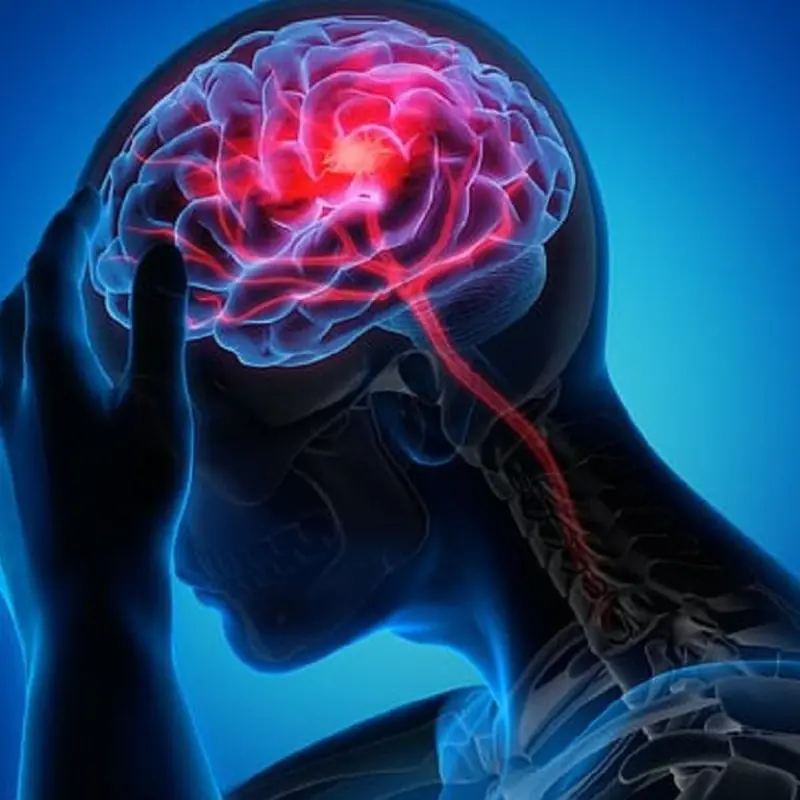
4. Vision Problems
Blurred or double vision, sudden sensitivity to light, or temporary vision loss in one eye can all be signs of a blood clot affecting the brain’s visual processing areas. These symptoms may appear briefly and then disappear, making them easy to overlook. However, recurring visual disturbances should be evaluated by a medical professional.
5. Dizziness or Loss of Balance
Feeling lightheaded or unsteady without a clear reason could be linked to poor blood circulation in the brain. Some individuals may experience brief episodes of dizziness or a sensation that the room is spinning. These symptoms may occur sporadically but can be an early indicator of neurological disruption.
6. Difficulty Speaking or Finding Words
Subtle language problems, such as slurred speech or difficulty recalling common words, can occur when certain brain regions are affected by reduced blood flow. These episodes may last only a few minutes but should not be ignored. Even temporary speech issues can signal a serious underlying condition.
7. Unusual Fatigue
Extreme or unexplained fatigue is another potential warning sign. When the brain is not receiving enough oxygen and nutrients due to a clot, the body may respond with persistent tiredness. This fatigue often feels different from normal exhaustion and may not improve with rest.
8. Confusion or Trouble Concentrating
Sudden difficulty concentrating, memory lapses, or confusion can be early indicators of a brain clot. Individuals may struggle to focus on simple tasks or feel mentally “foggy” without explanation. These cognitive changes can occur gradually and may worsen over time if left unaddressed.
9. Minor Hand or Face Changes
Small changes in coordination—such as dropping objects, trembling hands, or slight facial drooping—can occur before a stroke. Some people notice a weak grip or difficulty performing fine motor tasks. These subtle signs may seem harmless but can indicate a developing neurological issue.
Why Early Detection Matters
Recognizing these warning signs can make a life-saving difference. A brain clot can restrict blood flow and oxygen to vital brain tissue, potentially leading to permanent damage if not treated quickly. Early medical evaluation allows doctors to identify underlying issues, recommend treatments, and reduce the risk of a full stroke.
While these symptoms do not always mean a stroke is imminent, they should never be ignored—especially if they appear suddenly or repeatedly. Monitoring changes in your body and seeking prompt medical advice can significantly improve outcomes.
Staying Proactive About Brain Health
Maintaining a healthy lifestyle can help reduce the risk of blood clots and stroke. Regular exercise, a balanced diet, proper hydration, and routine health checkups all play important roles. Managing blood pressure, cholesterol, and blood sugar levels can also help protect brain health.