Silent Warning: 7 Mini-Stroke Signs in the Elderly You Should Never Ignore
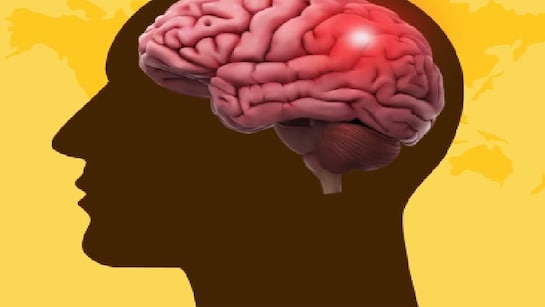
A mini stroke, medically known as a transient ischemic attack (TIA), can strike without warning—and disappear just as quickly. But while its symptoms may fade within minutes or hours, doctors emphasize that a mini stroke is often a powerful warning sign of a major stroke ahead. For older adults, recognizing these early signals can mean the difference between recovery and a life-threatening emergency.
A TIA occurs when blood flow to the brain is temporarily blocked, usually by a small clot. Although the blockage resolves on its own, the brief interruption deprives brain tissue of oxygen and nutrients. This can trigger sudden neurological symptoms that resemble a full stroke but typically resolve within 24 hours. Because symptoms vanish quickly, many people dismiss them, assuming they are harmless. In reality, they should always be treated as a medical emergency.
Below are seven warning signs of a mini stroke in the elderly that should never be ignored.
1. Sudden Weakness or Numbness on One Side of the Body
One of the most common and recognizable signs of a mini stroke is sudden weakness or numbness affecting the face, arm, or leg—often on just one side of the body. An older adult may struggle to lift an arm, maintain balance, or even stand up. Facial drooping can also occur, making one side of the face appear uneven.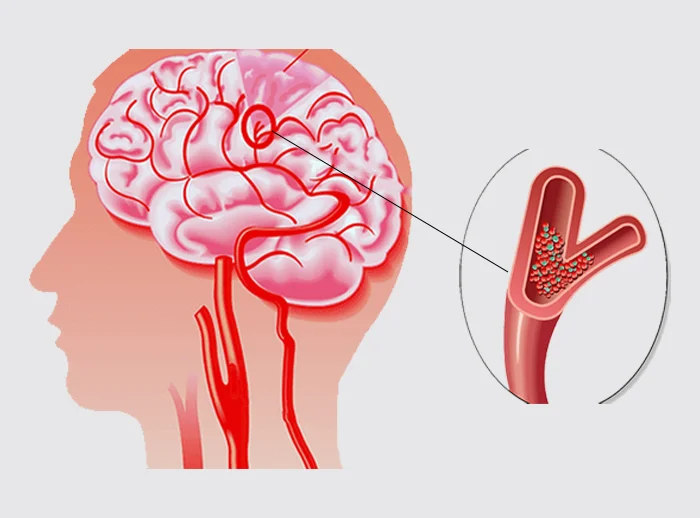
2. Difficulty Speaking or Understanding Speech
A mini stroke can interfere with the brain’s language centers. The affected person may suddenly have trouble speaking clearly, forming sentences, or understanding what others are saying. Words might come out slurred or confused, and they may appear disoriented during conversation. These symptoms can be brief but are a critical warning sign.
3. Vision Problems or Double Vision
Temporary vision disturbances are another red flag. A person experiencing a mini stroke might report blurred vision, double vision, or sudden vision loss in one or both eyes. Because these symptoms can come and go quickly, they are often mistaken for fatigue or eye strain—but they may signal a neurological event.
4. Difficulty Walking or Loss of Balance
A sudden loss of coordination or balance is another key symptom. Elderly individuals may feel dizzy, unsteady, or unable to walk in a straight line. They might stumble or experience a sensation that the room is spinning. Difficulty walking is especially concerning when it appears suddenly without an obvious cause.
5. Severe Fatigue or Sudden Lethargy
Extreme tiredness or sudden lethargy can accompany a mini stroke. An individual may feel unusually weak, drowsy, or unable to stay alert. While fatigue is common in older adults, abrupt and severe exhaustion—especially when paired with other symptoms—should not be ignored. Transient ischemic attack symptoms can be subtle and easily overlooked.
6. Confusion or Agitation
A mini stroke may also trigger sudden confusion or unusual agitation. The person may seem disoriented, forgetful, or unable to concentrate. They might struggle to recognize familiar faces or surroundings. These cognitive changes often occur suddenly and can resolve quickly, leading families to underestimate their seriousness.
7. Nausea, Shortness of Breath, or Chest Discomfort
In some cases, mini strokes can present with less obvious symptoms such as nausea, vomiting, shortness of breath, or even chest discomfort. While these signs are less commonly associated with stroke, they can occur alongside neurological symptoms and should raise immediate concern.
Why Immediate Action Matters
Many mini stroke symptoms are temporary and may disappear within minutes or hours. However, this does not mean the danger has passed. Health experts warn that a TIA often serves as a warning that a major stroke could occur within days or weeks. Prompt medical evaluation can identify underlying causes—such as high blood pressure, diabetes, or blocked arteries—and help prevent a more serious event.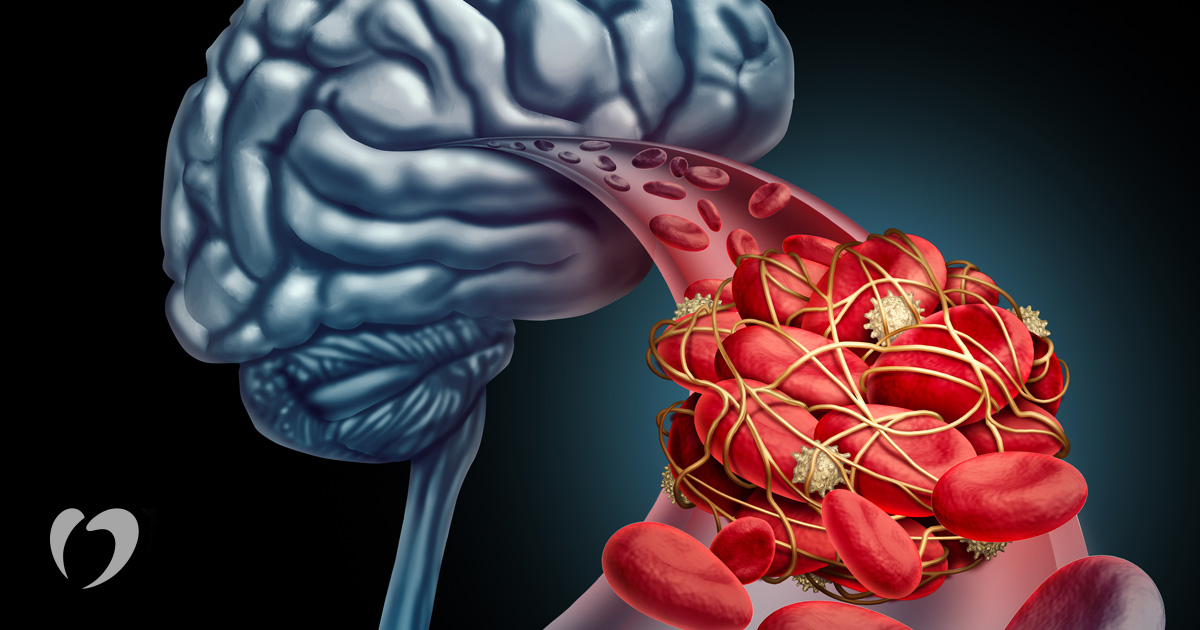
Risk factors for mini strokes are similar to those for full strokes. Advanced age, smoking, obesity, high cholesterol, sedentary lifestyle, and hypertension all increase the likelihood of blood clots forming and blocking brain vessels. Managing these factors is essential for prevention.
When to Seek Help
If an older adult experiences any of these symptoms—even if they last only a few minutes—seek emergency medical care immediately. Early diagnosis and treatment can significantly reduce the risk of a full stroke and improve long-term health outcomes.
A mini stroke may be brief, but its message is clear: the body is sending a serious warning. Recognizing the signs and acting quickly can save lives and protect the brain from permanent damage.