Many people experience occasional leg discomfort after exercise, long hours of standing, or minor injuries. However, persistent pain behind the knee is a symptom that should never be overlooked. While it may seem harmless at first, this type of pain can indicate underlying health conditions that require timely diagnosis and treatment.
The area behind the knee, known as the popliteal region, contains important muscles, tendons, ligaments, nerves, and blood vessels. Because so many vital structures pass through this small space, pain in this region can stem from a wide range of causes—from simple muscle strain to more serious medical concerns.
Common Causes of Pain Behind the Knee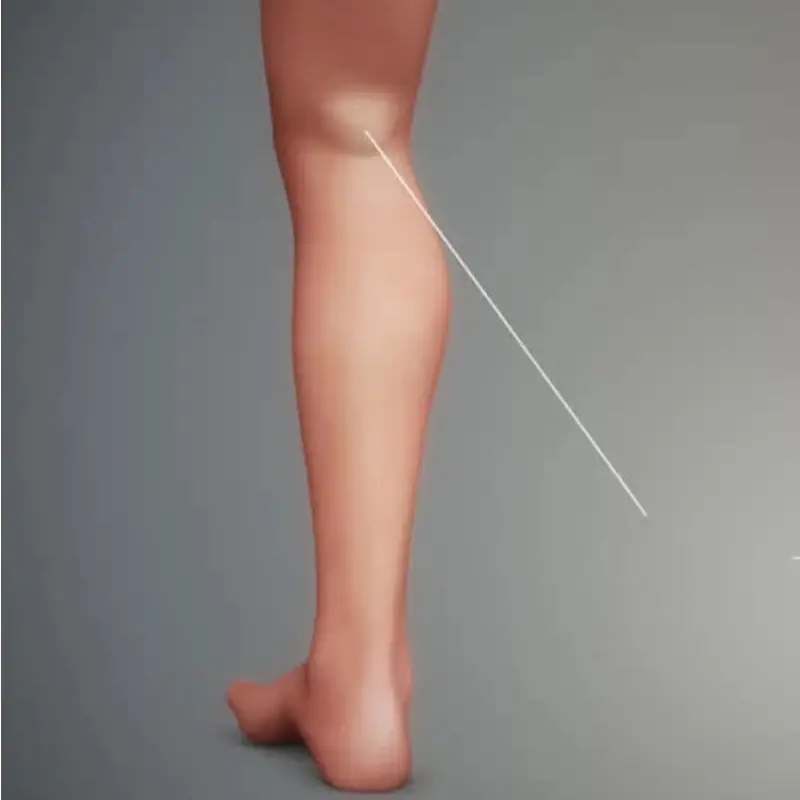
One of the most frequent causes of discomfort behind the knee is muscle strain. Overuse, sudden movement, or intense physical activity can strain the hamstring muscles and tendons, leading to soreness and stiffness. Athletes and individuals who engage in heavy exercise often experience this type of pain, especially if they skip proper warm-ups or stretching.
Another possible cause is a Baker’s cyst, also known as a popliteal cyst. This occurs when fluid builds up behind the knee, forming a swollen lump that can create pressure and discomfort. Baker’s cysts are often associated with joint conditions such as arthritis or cartilage injuries. While some cysts resolve on their own, others may require medical attention if they cause significant pain or limit mobility.
Ligament injuries, including damage to the posterior cruciate ligament (PCL), can also lead to pain in this area. These injuries often occur due to sports accidents, falls, or direct impact to the knee. Symptoms may include swelling, instability, and difficulty walking.
When Pain Signals Something More Serious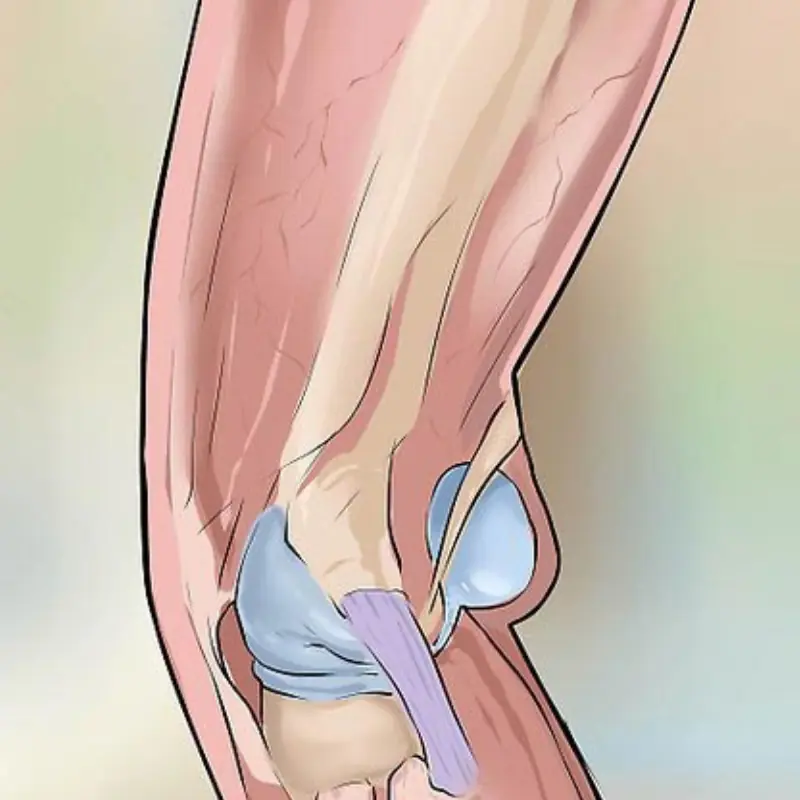
In some cases, pain behind the knee can be linked to more serious health issues involving blood vessels or nerves. For example, deep vein thrombosis (DVT) is a condition in which a blood clot forms in a deep vein, usually in the leg. This can cause pain, swelling, warmth, and redness. DVT requires immediate medical evaluation, as untreated clots can lead to severe complications.
Nerve compression is another potential cause. When nerves around the knee or lower back become compressed or irritated, pain can radiate to the back of the knee. This type of discomfort may be accompanied by tingling, numbness, or weakness in the leg.
In rare situations, chronic pain behind the knee could be linked to structural abnormalities or inflammatory conditions affecting the joints and surrounding tissues. Persistent symptoms that worsen over time should always be assessed by a healthcare professional.
Warning Signs You Shouldn’t Ignore
While mild discomfort may resolve with rest, certain symptoms indicate the need for medical attention. Seek professional advice if you experience:
-
Persistent pain lasting more than a few days
-
Swelling or visible lumps behind the knee
-
Difficulty bending or straightening the leg
-
Warmth, redness, or unusual tenderness
-
Sudden severe pain without clear injury
-
Numbness or tingling in the leg or foot
Ignoring these warning signs can lead to worsening symptoms and potential complications.
Prevention and Care Tips
Preventing knee-related problems often begins with proper lifestyle habits. Regular stretching and strengthening exercises can support the muscles around the knee, improving stability and reducing strain. Maintaining a healthy weight also helps reduce pressure on the joints.
Wearing supportive footwear and using proper techniques during physical activities can prevent injuries. For individuals who sit or stand for long periods, taking short breaks to move and stretch can improve circulation and reduce stiffness.
If you experience mild pain after activity, rest, gentle stretching, and cold or warm compresses may provide relief. However, persistent or severe symptoms should not be self-treated without professional guidance.
Listen to Your Body
Pain behind the knee is not always a simple muscle ache. It can serve as an early warning sign of underlying issues that require attention. By recognizing symptoms early and seeking appropriate care, individuals can prevent complications and maintain long-term joint and overall health.