An aneurysm is a serious medical condition that often develops silently, without noticeable symptoms. However, when warning signs do appear, they can indicate a life-threatening emergency that requires immediate attention. The image of a bulging blood vessel next to a human brain serves as a stark reminder that aneurysms can occur in critical areas of the body and may lead to devastating consequences if left untreated.
An aneurysm occurs when a blood vessel wall weakens and bulges outward, forming a balloon-like swelling. This can happen in different parts of the body, but brain aneurysms are among the most dangerous. If the weakened vessel ruptures, it can cause internal bleeding, stroke, or even sudden death. Because of this, recognizing the early warning signs is essential for preventing severe complications.
What Causes an Aneurysm?
Several factors can increase the risk of developing an aneurysm. High blood pressure is one of the most common causes, as it places constant stress on artery walls. Over time, this pressure can weaken the vessel and lead to a bulge. Smoking, excessive alcohol consumption, and unhealthy lifestyle habits can also contribute to the development of aneurysms.
Genetics may play a role as well. People with a family history of aneurysms or certain inherited conditions affecting connective tissue may face a higher risk. Aging is another factor, as blood vessels naturally lose elasticity over time, making them more vulnerable to damage.
Although anyone can develop an aneurysm, individuals with multiple risk factors should remain especially vigilant and undergo regular health checkups.
Early Warning Signs to Watch For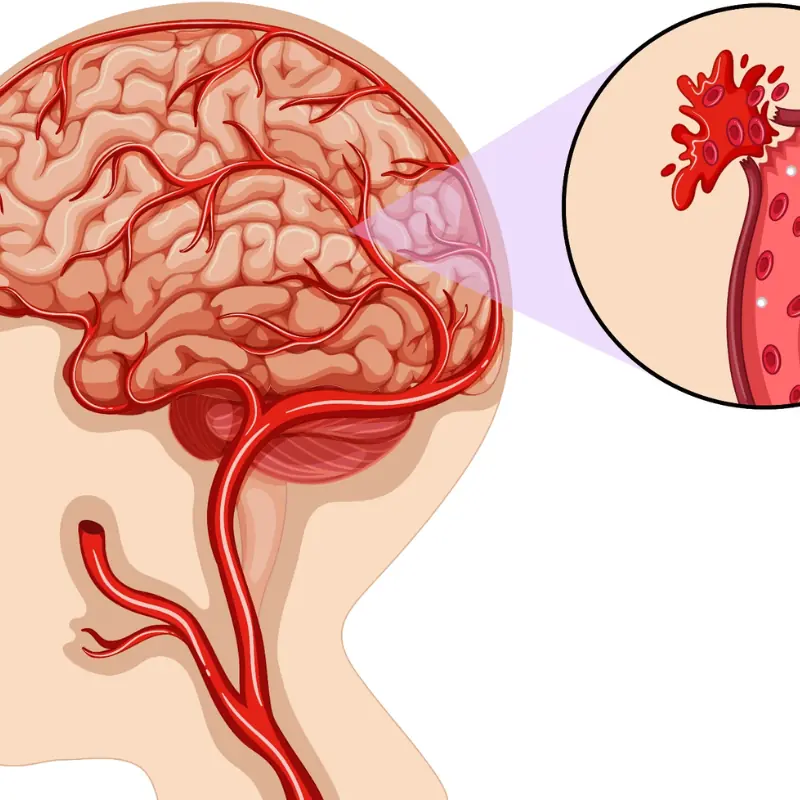
One of the most dangerous aspects of aneurysms is that they often produce no symptoms until they become large or rupture. However, some subtle signs may appear beforehand.
Persistent headaches are among the most common early warnings of a brain aneurysm. These headaches may feel different from typical tension or migraine headaches and may not respond well to usual pain relievers. Sudden and severe headaches, often described as the worst headache of one’s life, can signal a rupture and require emergency care.
Vision problems may also occur. Blurred or double vision, sensitivity to light, or pain behind the eyes could indicate pressure on surrounding nerves. In some cases, a drooping eyelid or dilated pupil may be noticeable.
Neck stiffness and facial pain are additional symptoms that should not be ignored. These can develop when an aneurysm begins to press on nearby structures or leaks small amounts of blood.
Signs of a Ruptured Aneurysm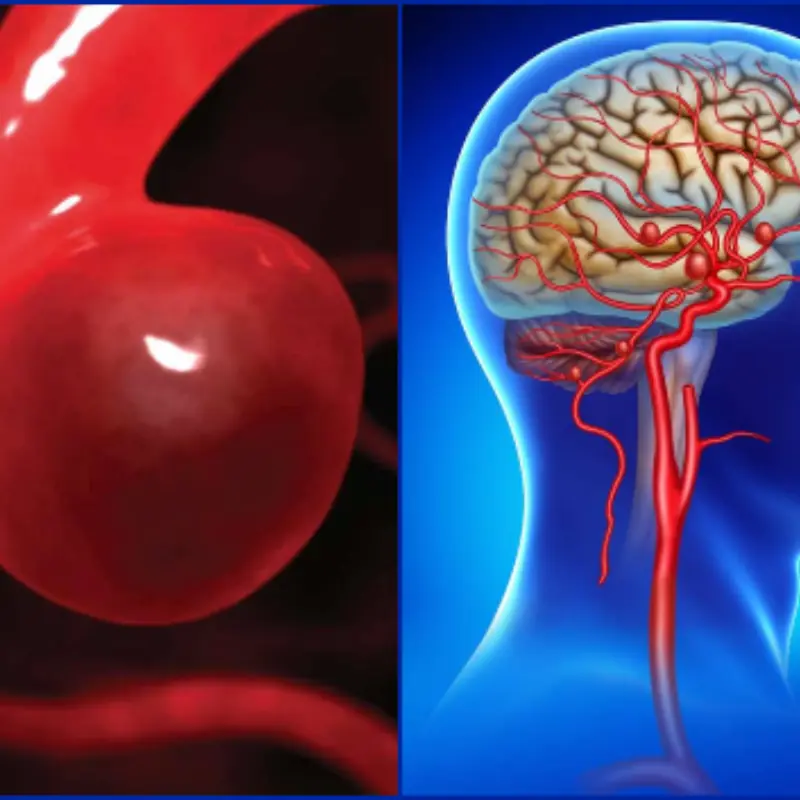
A ruptured aneurysm is a medical emergency that demands immediate treatment. Symptoms can appear suddenly and escalate quickly. Severe headache, nausea, vomiting, and loss of consciousness are common signs. Some individuals may experience confusion, seizures, or difficulty speaking.
Weakness or numbness on one side of the body can also occur, similar to stroke symptoms. If any of these warning signs appear, emergency medical help should be sought immediately. Rapid treatment can significantly improve survival and recovery outcomes.
Why Early Detection Matters
Early detection of an aneurysm can be lifesaving. Medical imaging technologies such as CT scans, MRIs, and angiograms can identify aneurysms before they rupture. Once detected, doctors can monitor the condition or recommend treatments to reduce the risk of rupture.
Treatment options vary depending on the size and location of the aneurysm. In some cases, lifestyle changes and medication to control blood pressure may be sufficient. In more serious situations, surgical procedures or minimally invasive techniques may be required to repair or seal the weakened vessel.
Prevention and Healthy Habits
While not all aneurysms can be prevented, adopting healthy habits can significantly reduce risk. Maintaining normal blood pressure through a balanced diet and regular exercise is crucial. Avoiding smoking and limiting alcohol intake can also protect blood vessels from damage.
Managing stress and getting routine health screenings are additional steps that support long-term vascular health. People with a family history of aneurysms should discuss screening options with their healthcare providers.
Final Thoughts
An aneurysm may develop silently, but its consequences can be sudden and severe. Understanding the warning signs and risk factors is essential for early detection and prevention. If unusual symptoms arise, especially severe headaches or neurological changes, seeking medical attention without delay can make all the difference.