4 Morning Habits That Quietly Increase Your Risk of Stroke — And Why They Should Be Avoided at All Ages
Stroke does not happen randomly. In many cases, it is the result of long-term habits that place stress on blood vessels, blood pressure, and the brain. What surprises many doctors is that some of the most dangerous behaviors occur first thing in the morning, when the body is transitioning from rest to activity.
Morning is a high-risk period for strokes because blood pressure naturally rises after waking. Certain habits can push the body beyond a safe limit, increasing the chance of blood clots or vessel rupture.
Here are four common morning habits that may quietly raise stroke risk — and why avoiding them matters at any age.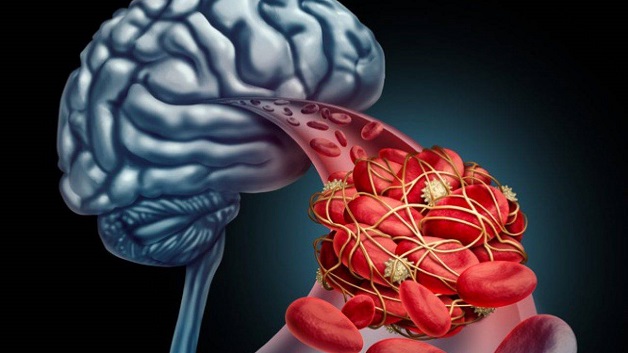
Why Mornings Are a Critical Time for Stroke Risk
After waking:
-
Blood pressure rises rapidly
-
Blood becomes thicker due to overnight dehydration
-
Heart rate increases
-
Stress hormones spike
This combination makes the early morning hours one of the most common times for strokes to occur. What you do during this window can either protect or harm your brain.
1. Getting Out of Bed Too Suddenly
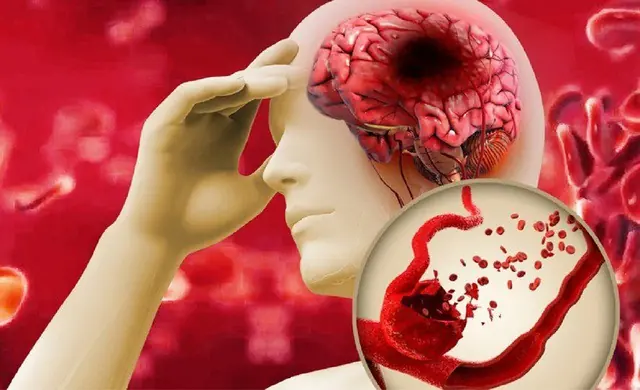
Many people jump out of bed the moment they wake up, especially when rushing to work or school. This sudden movement can cause:
-
Sharp blood pressure changes
-
Dizziness or fainting
-
Reduced blood flow to the brain
In people with narrowed arteries or unstable blood pressure, this sudden shift may increase the risk of ischemic stroke.
What to do instead:
Sit up slowly, take a few deep breaths, and allow your body 1–2 minutes to adjust before standing.
2. Skipping Water After Waking Up
After 6–8 hours of sleep, the body is mildly dehydrated. Skipping water in the morning can lead to:
-
Thicker blood
-
Slower circulation
-
Increased risk of clot formation
Dehydration makes blood more likely to clot, which can block arteries supplying the brain.
What to do instead:
Drink a glass of room-temperature water shortly after waking. This helps restore circulation and reduce blood viscosity.
3. Smoking or Drinking Alcohol in the Morning
Some people smoke or drink alcohol shortly after waking, believing it helps them “relax” or “wake up.” In reality, these habits:
-
Constrict blood vessels
-
Increase blood pressure
-
Damage artery walls
-
Promote clot formation
Morning smoking is particularly dangerous because blood vessels are already more sensitive at this time.
What to do instead:
Avoid smoking entirely, and never drink alcohol in the morning. Quitting smoking is one of the most effective ways to reduce stroke risk.
4. Starting the Day With Extreme Stress or Anger
Checking stressful messages, rushing, arguing, or immediately engaging with negative news can cause:
-
Sudden spikes in blood pressure
-
Increased heart rate
-
Stress hormone release
Acute emotional stress is a known trigger for strokes, especially in people with underlying risk factors.
What to do instead:
Begin the day calmly. Even five minutes of slow breathing, stretching, or quiet preparation can stabilize blood pressure and heart rate.
Who Is Most at Risk?
These habits are especially dangerous for people who:
-
Have high blood pressure
-
Have diabetes
-
Smoke or drink regularly
-
Have high cholesterol
-
Are overweight
-
Have a family history of stroke
However, young people are not immune. Increasing numbers of strokes are now seen in people under 40.
Warning Signs That Should Never Be Ignored
Seek emergency care immediately if you or someone else experiences:
-
Sudden weakness or numbness on one side
-
Slurred speech
-
Severe headache
-
Vision problems
-
Dizziness or loss of balance
Time is critical. Early treatment saves brain tissue.
Simple Morning Habits That Protect Your Brain
Doctors recommend:
-
Waking up slowly
-
Drinking water first
-
Eating a light, balanced breakfast
-
Avoiding cigarettes and alcohol
-
Managing stress intentionally
-
Taking prescribed medications consistently
These small actions significantly reduce stroke risk over time.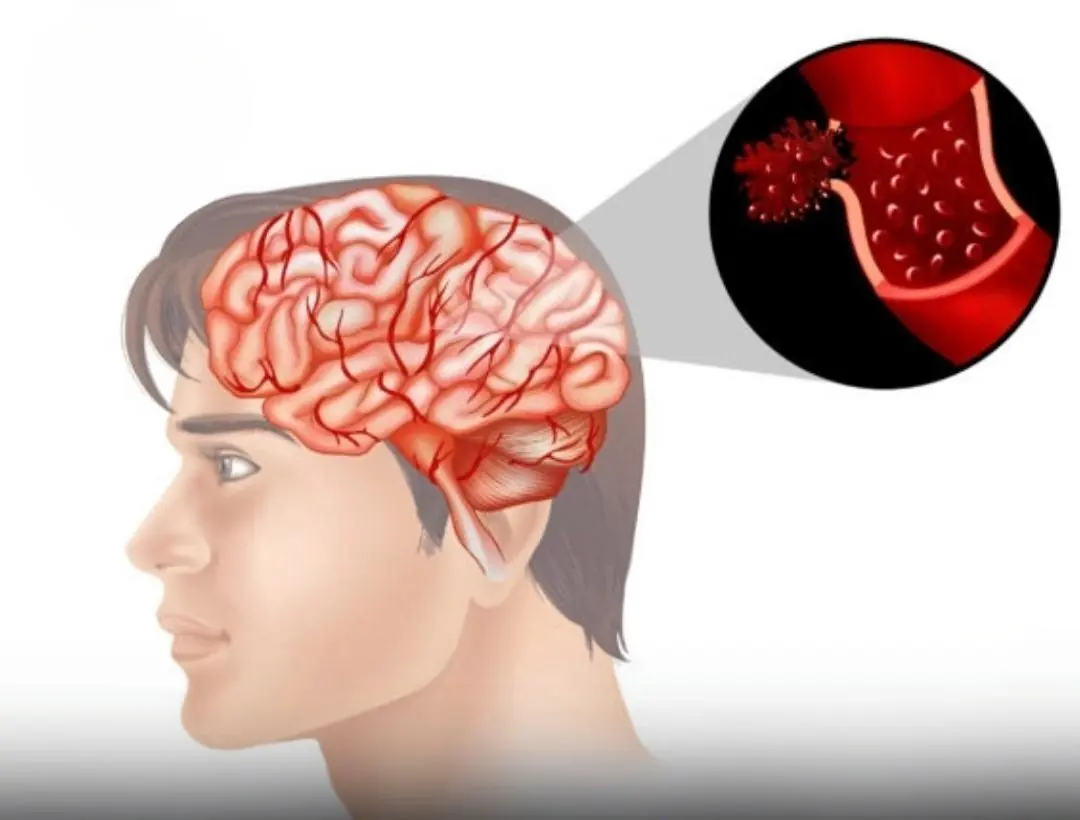
Final Reminder
Stroke prevention does not start in the hospital — it starts with daily habits, especially in the morning when the body is most vulnerable.