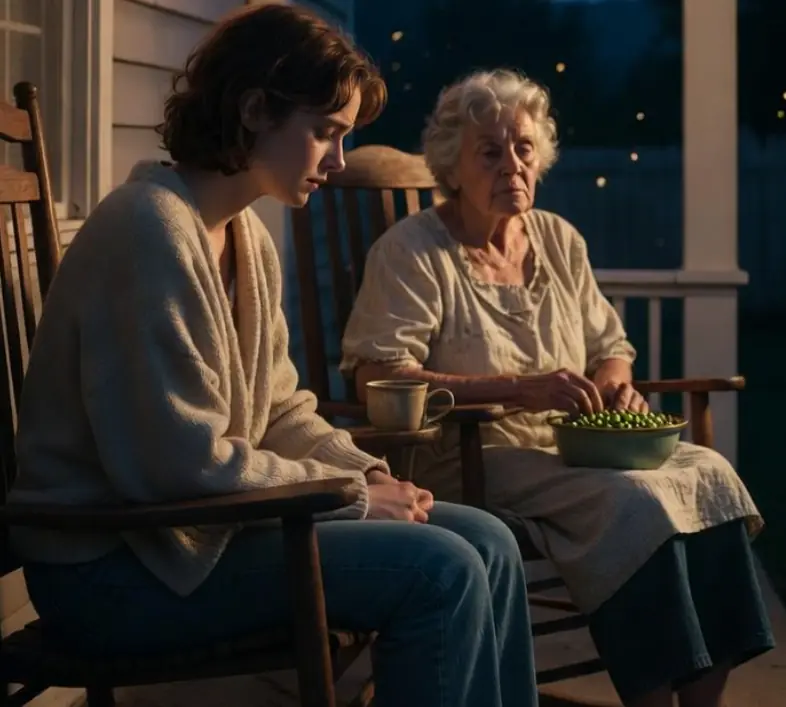
The day i finally called her mom was the day i stopped feeling alone
The day i finally called her mom was the day i stopped feeling alone
Story 18/02/2026 10:29
For the first five years of my marriage to Benjamin, my relationship with his mother, Mrs. Gable, was defined by a polite, agonizing distance. We were like two celestial bodies trapped in the same orbit, constantly circling each other but never once making contact. I was a freelance graphic designer who lived in oversized sweaters and thrived on the messy, neon energy of the city. Mrs. Gable—Adelaide to her friends, though I never felt quite brave enough to use the name—was a retired librarian who wore crisp linen shirts and moved with the deliberate, quiet precision of a clock.
Whenever we were in the same room, the air seemed to thicken with the weight of things left unsaid. Our conversations were a repetitive loop of safe, hollow topics: the local weather, the rising price of gasoline, and Benjamin’s health. I would sit on her stiff floral sofa, clutching a cup of tea, and try to think of something—anything—that might bridge the gap between us. But the silence always won. I was convinced that she saw me as too loud, too unorganized, and perhaps a little too "modern" for her youngest son. I felt like a permanent outsider, a guest who had stayed far too long but didn't know how to find the exit.
The shift happened on a humid Saturday in late May. Benjamin was away on a business trip, and I had been roped into helping Adelaide clear out her overgrown backyard. I arrived at her house with a sense of impending doom, prepared for six hours of awkward small talk and pointed glances at my lack of gardening expertise.
"The weeds have quite taken over the south corner," Adelaide said, handing me a pair of heavy-duty gloves. She looked at my faded jeans and messy bun with her usual unreadable expression. "It is a mess, I know."
"It’s okay," I muttered, kneeling in the dirt. "We’ll get it sorted."
We worked in silence for the first hour. The only sounds were the snip of shears and the occasional rustle of dry leaves. I kept waiting for her to critique my technique or mention that I was pulling up the "wrong" kind of clover. But the critique never came.
Instead, I noticed something. Adelaide wasn't just weeding; she was meticulously clearing space around a cluster of stunted, struggling rosebushes. Her hands, usually so still, were moving with a strange, frantic energy.
"These were my mother’s," she said suddenly, her voice barely a whisper. I looked up to see her touching a pale, wilted bud. "She planted them fifty years ago. I’ve tried everything, but they just won't bloom anymore. I think the soil has simply given up on them."
There was a vulnerability in her voice that I had never heard before—a crack in the porcelain armor. Without thinking, I leaned over and looked at the base of the plants. "The soil looks a bit packed down. My grandmother used to say that roses need to breathe as much as they need to drink. And they might need a bit more iron. I have some organic compost and a few tricks I learned from a landscape design project last year. Do you... do you want to try?"
Adelaide looked at me, her pale blue eyes searching mine. For the first time in five years, she didn't look through me. She looked at me. "I would like that very much, Elena."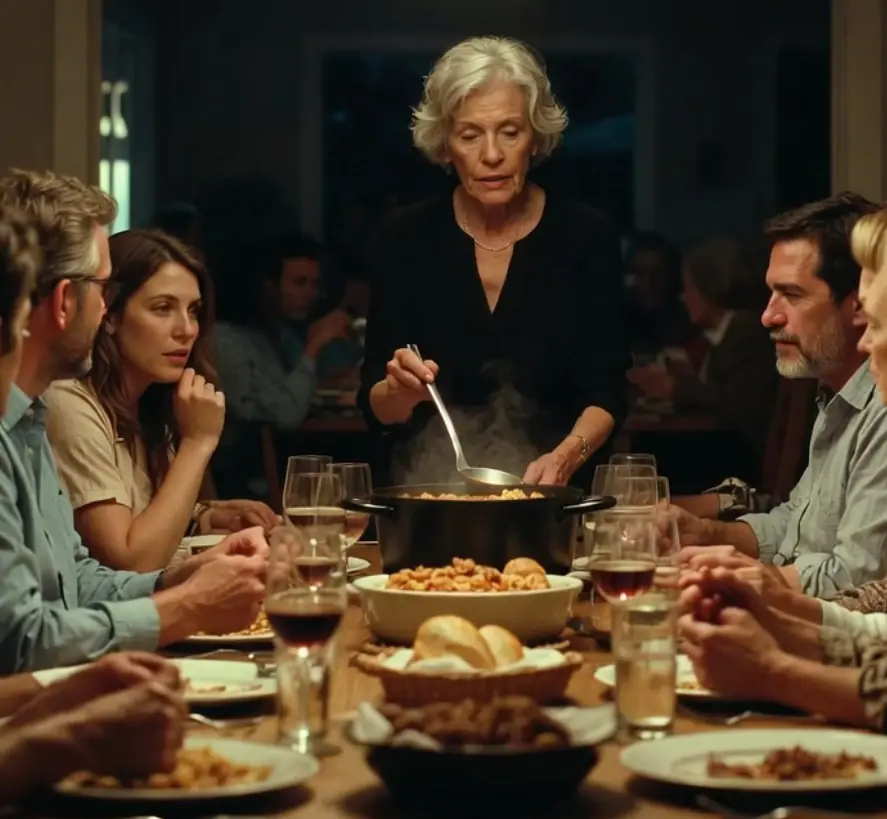
That was the beginning. What started as a Saturday chore turned into a weekly ritual. Every Tuesday and Thursday evening, I would drive over to her house after work. We became partners in a long-term rescue mission for the garden. We spent hours elbow-deep in the earth, mixing nutrients, pruning dead weight, and talking.
At first, the talk was still about the plants. We discussed the "personality" of hydrangeas and the stubbornness of crabgrass. But as the weeks bled into months, the soil softened, and so did we.
One evening, while we were mulching the flower beds, Adelaide began to tell me about her life before she became a librarian. She spoke about her dreams of being a concert pianist and the way her hands used to ache after eight hours of practice. She told me about the fear she felt when she moved to this town as a young bride, knowing no one and feeling like she was constantly being judged by her husband’s social circle.
"I was so afraid of saying the wrong thing that I eventually stopped saying anything at all," she confessed, her hands pausing over a bag of mulch. "I think I became a librarian because I liked being in a place where silence was the rule. It felt safe."
I felt a sudden, sharp pang of recognition. "Adelaide... I thought you were silent because you didn't like me. I thought you were judging my life because it was so different from yours."
She looked at me, a soft, sad smile touching her lips. "I wasn't judging you, dear. I was intimidated by you. You are so vibrant, so sure of your place in the world. I didn't know how to talk to someone who didn't seem to need my advice."
The honesty of it took my breath away. We had both been standing on opposite sides of a canyon, convinced the other person had built the walls. In reality, we had both just been trying to protect ourselves from the discomfort of being misunderstood.
Through the shared labor of the garden, we built a new language. We laughed when a sudden sprinkler malfunction soaked us both to the bone. We shared "secret" snacks of chocolate and iced tea hidden behind the potting shed. I started bringing over my design sketches to show her, and she started giving me books she thought I would love—books that had nothing to do with housekeeping and everything to do with the creative spirit.
By August, the garden had transformed. The "south corner" was no longer a mess; it was a riot of color. And the roses—my mother-in-law’s mother’s roses—were blooming. They were a deep, velvety crimson, their scent heavy and sweet in the evening air.
The real transformation, however, was inside the house.
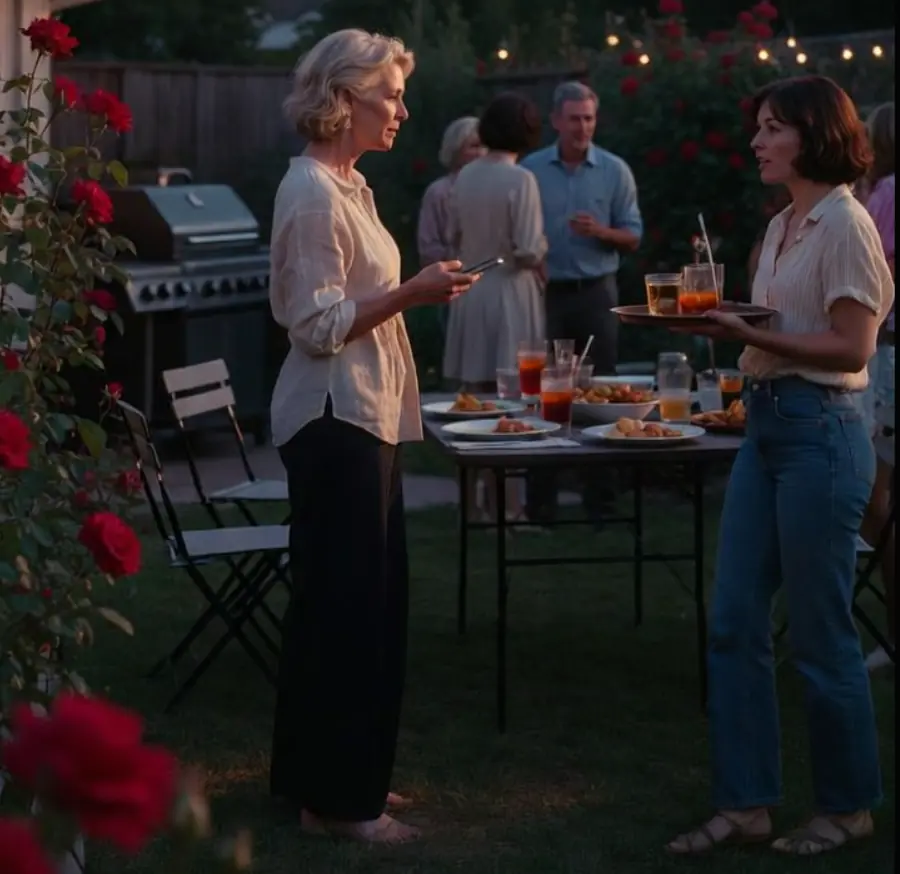
Last Sunday, the whole family gathered for a barbecue to celebrate the end of summer. As I walked through the living room with a tray of drinks, I saw the stiff floral sofa where I used to sit in terrified silence. It felt like a lifetime ago.
"Elena, come over here!" Adelaide called out from the kitchen. She was surrounded by her sisters and a few old friends. She was holding a photo of the garden on her phone, her face glowing with pride.
"Look at what my daughter-in-law did," she said to the group, her voice clear and steady. "She saved these roses. I had given up on them, but she saw the potential I had forgotten. She is the most talented gardener—and artist—I know."
I stood in the doorway, the tray of drinks suddenly feeling very light. It wasn't just the praise; it was the way she said "my daughter-in-law." It didn't sound like a title anymore. It sounded like a claim. It sounded like home.
Later that evening, after the guests had gone and Benjamin was helping his father move the grill, Adelaide and I sat on the back porch steps. The garden was quiet, lit only by the soft glow of the moon.
"I realized something today," I said, leaning my head against the wooden railing.
"What is that?" she asked, her voice warm.
"I haven't felt like an 'outsider' for months," I said. "I used to dread coming here. I used to count the minutes until we could leave. But now... I don't want the night to end."
Adelaide reached over and took my hand. Her skin was rough from the garden, but her touch was the gentlest thing I had ever known. "You were never an outsider, Elena. You were just a part of the garden I hadn't learned how to tend to yet. I am so glad we found the roses."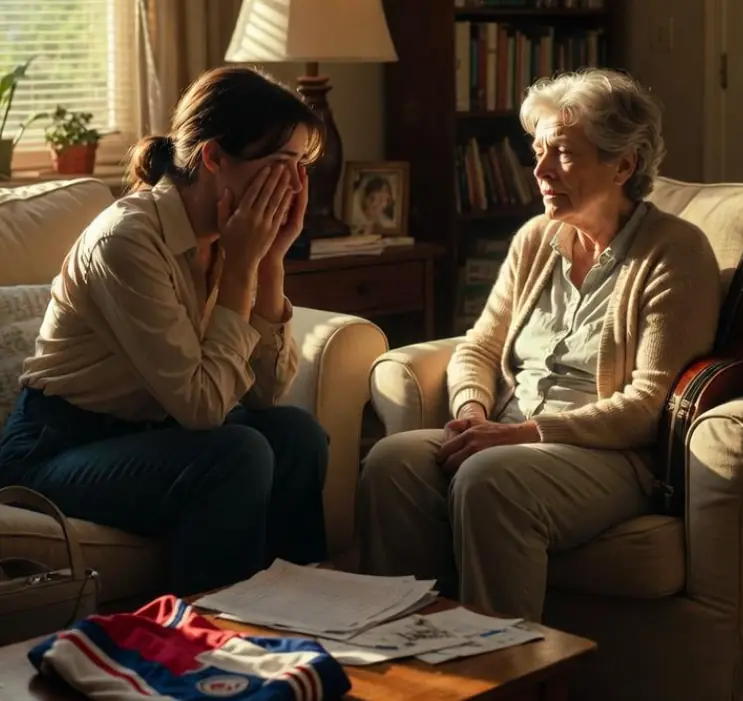
We sat there for a long time, watching the fireflies dance over the lavender. The silence was still there, but it wasn't the heavy, suffocating silence of five years ago. It was the comfortable, breathing quiet of two people who no longer need to find things to talk about, because they finally know how to just be together.
I am no longer the girl in the oversized sweater trying to find the exit. I am a woman who found a mother, a friend, and a sanctuary in the most unexpected place. We are the Gables, and we are a family built on honest conversations, shared hobbies, and a love that, much like the roses, just needed a little bit of air to bloom.
I am so grateful for that overgrown backyard. It didn't just give us a beautiful garden; it gave us each other. And as I look at Adelaide, I realize that the best friendships aren't the ones that start easily; they are the ones you have to work for, one weed at a time.
The day i finally called her mom was the day i stopped feeling alone
We Argued About Everything From Cooking To Parenting Until One Rainy Night Changed Us
I Thought My Mother In Law Never Approved Of My Career Until She Did Something I Will Never Forget
I Was Afraid My Mother In Law Would Replace Me As A Mother Until I Realized She Was Trying To Protect Me
The day my mother in law called me daughter changed our relationship forever
Living with my mother in law was the hardest thing until we learned to truly see each other
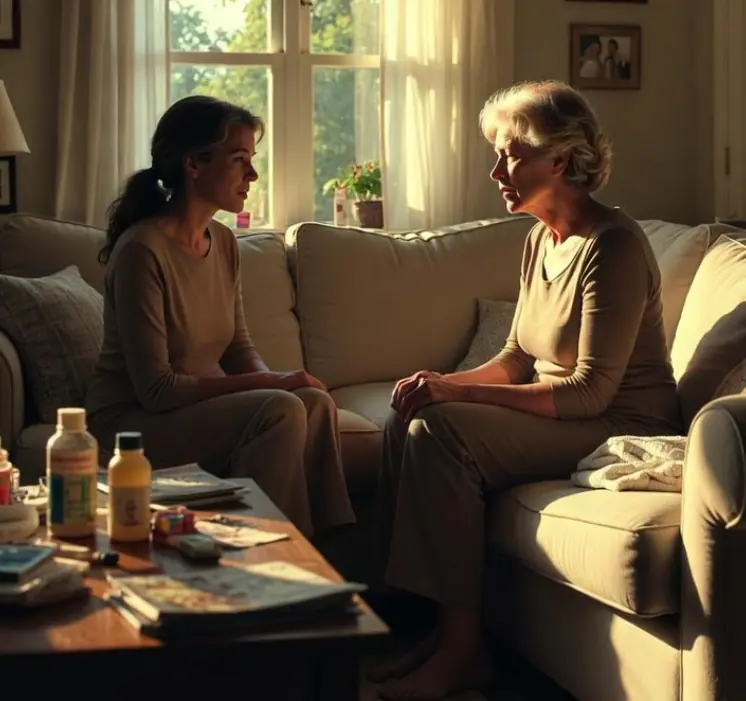
I thought my mother in law did not like me until the day i found out the truth
Brother, Where’s the Mansion I Asked You to Build? Why Are You Sleeping in a Sty?
Christmas Dinner Was the Last Straw: The Day I Finally Called the Police
My Mom Said, “Your Brother Is the One We Can Count On.” I Stood Up and Said, “Fine—Then He Can Pay the Bills.”

He Invited Me Over for Dinner—But What I Found in His Kitchen Changed Everything

I saved a wealthy child while working as a cook, but when the owner accused me of theft and ripped my blouse, I was left speechless
Don’t like my cooking? Leave my house. This isn’t a restaurant,” the daughter-in-law snapped, fed up with her mother-in-law’s constant criticism
My Son Canceled My Granddaughter’s Graduation Party Because He Said My Home “Smelled Like Cooking” and Was Too “Small-Town” for His New Wealthy Friends
“You Don’t Own This House, Son”: The Day a CEO Learned the Truth

From a Sidewalk Stroller to a Family Miracle: The Twins Who Changed Everything


The Two Subtle Symptoms That Preceded My Dad’s Pancreatic Cancer — and Why They Matter
The day i finally called her mom was the day i stopped feeling alone
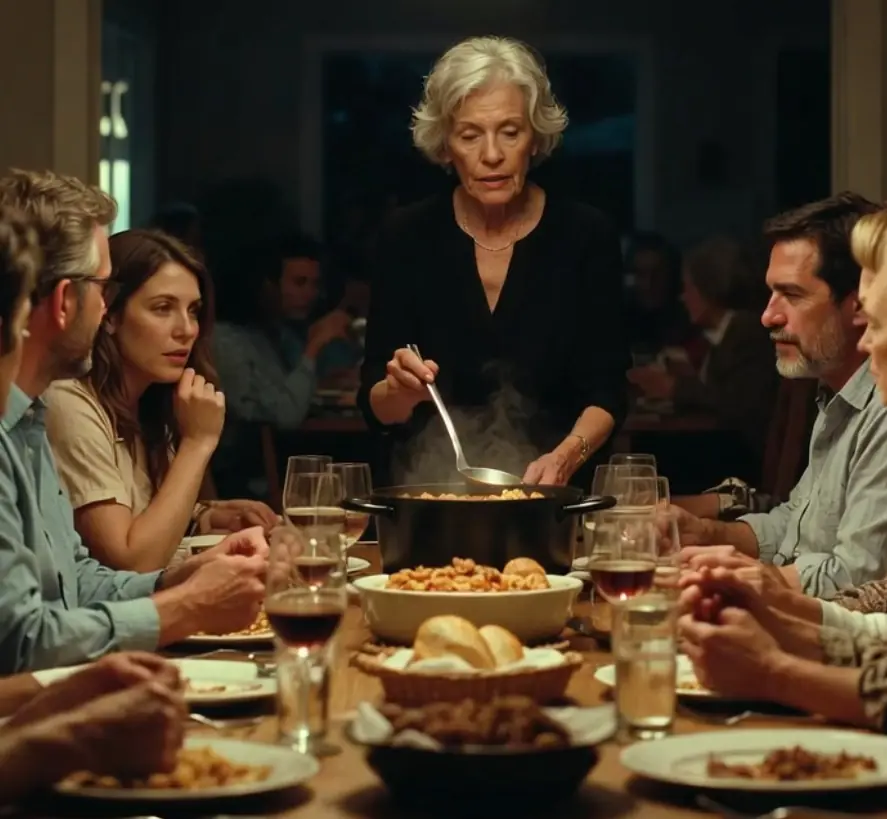
The recipe my mother in law taught me became the bridge between us
We Argued About Everything From Cooking To Parenting Until One Rainy Night Changed Us
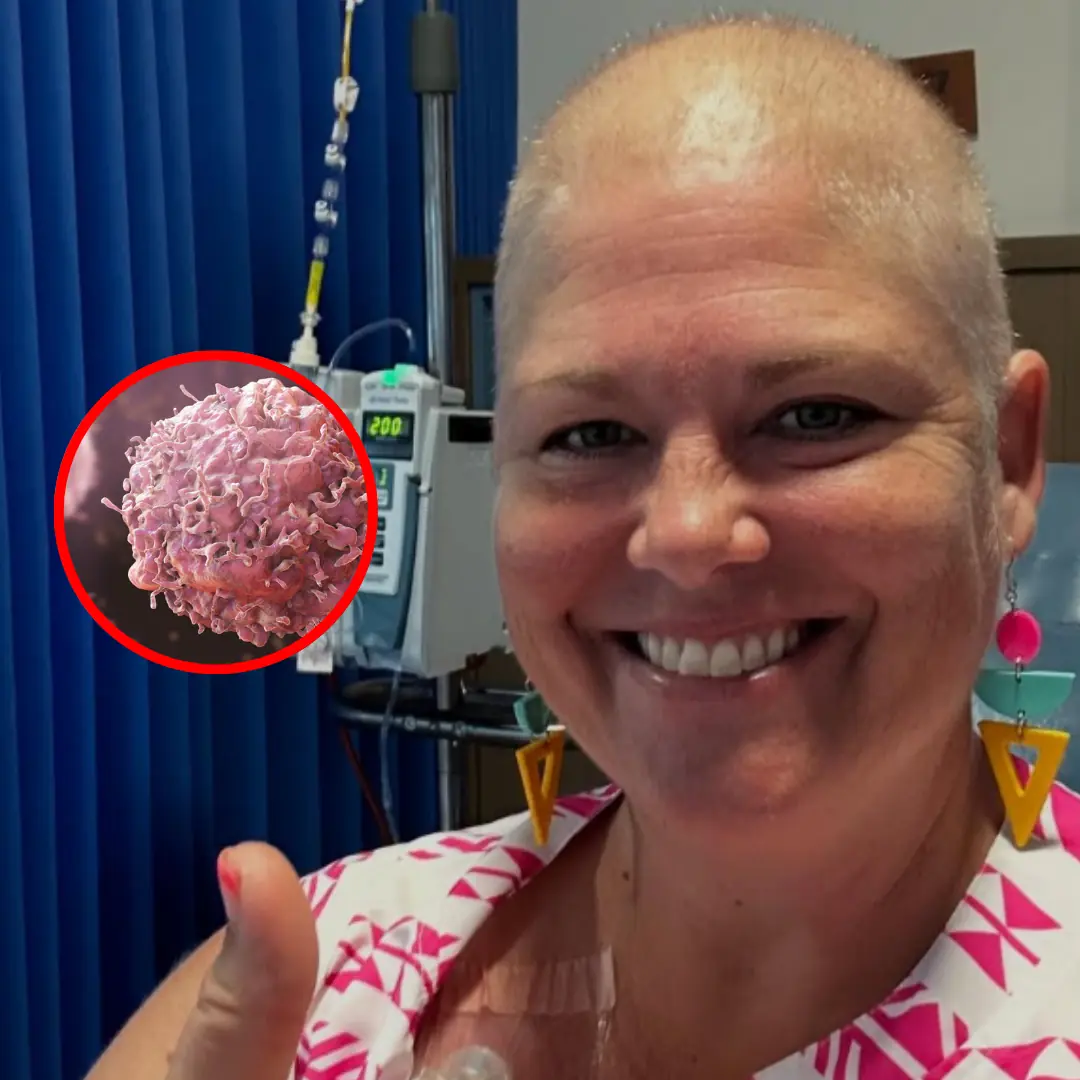
She Overlooked One Small Symptom — Now Diagnosed With Stage 4 Cancer at 47, She Wants Others to Listen
I Thought My Mother In Law Never Approved Of My Career Until She Did Something I Will Never Forget
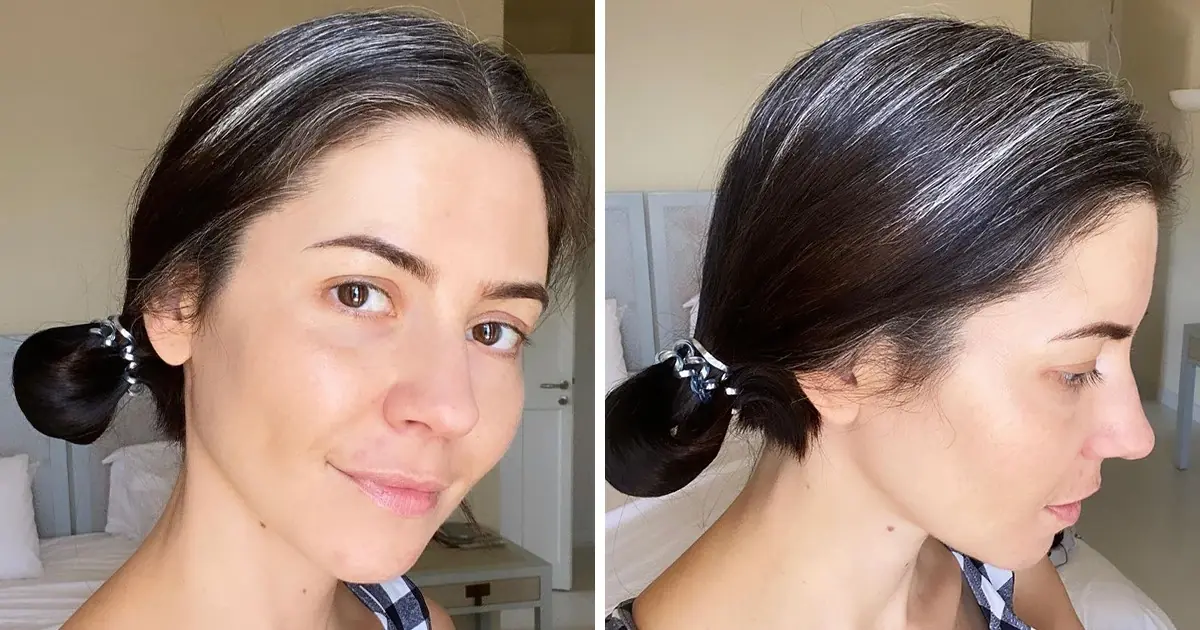
Premature Gray Hair: Causes, Myths, and What You Can Do

One Common Mistake After a Meal Resulted in a Stroke: 3 Things You Should Avoid
I Was Afraid My Mother In Law Would Replace Me As A Mother Until I Realized She Was Trying To Protect Me
The day my mother in law called me daughter changed our relationship forever
Living with my mother in law was the hardest thing until we learned to truly see each other
I thought my mother in law did not like me until the day i found out the truth

What happens to your body if you eat just 3 a day...
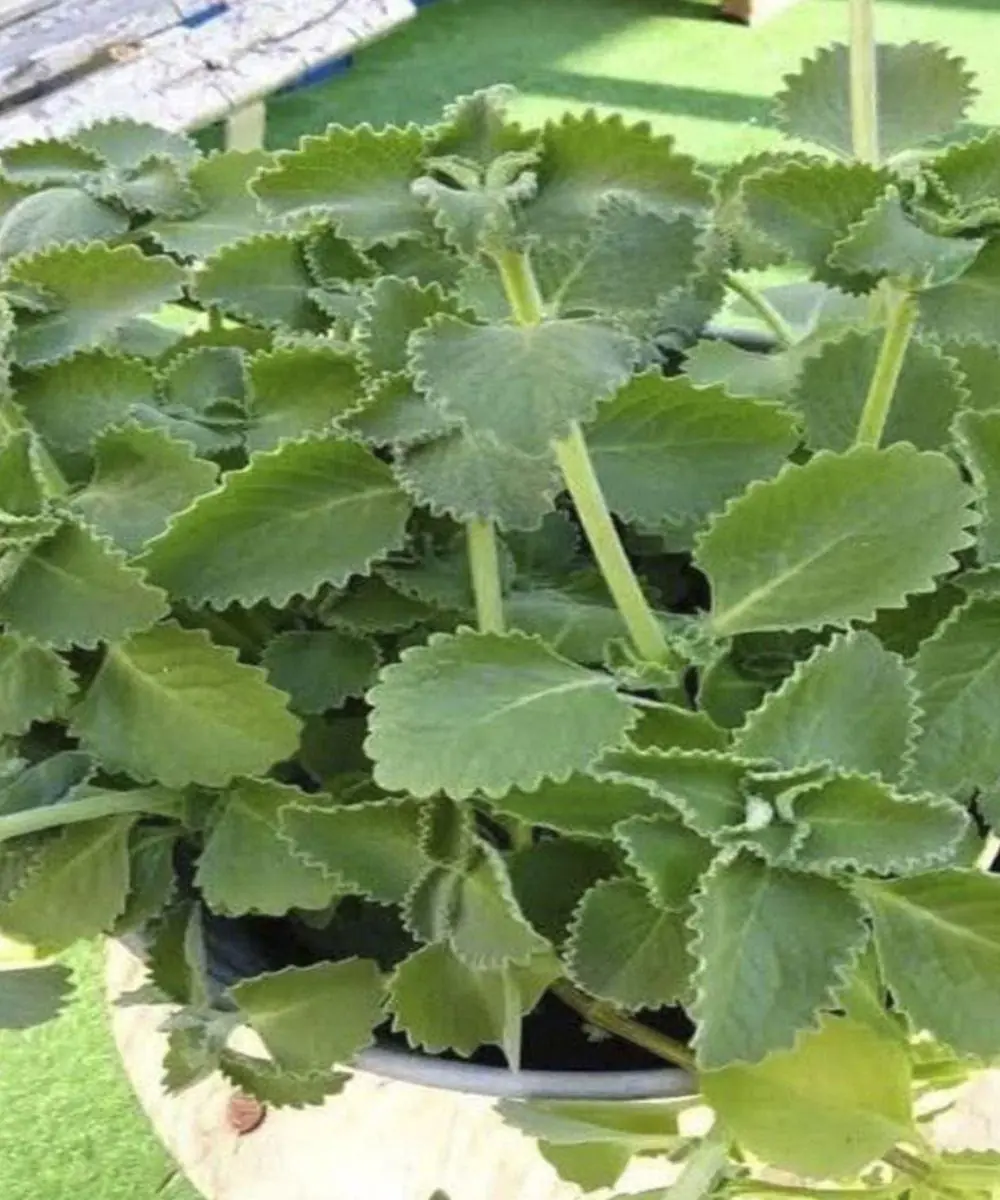
Doctors reveal that eating oregano causes ...

Doctors Share What Happens to Your Body When You Eat Okra Regularly
Brother, Where’s the Mansion I Asked You to Build? Why Are You Sleeping in a Sty?
Christmas Dinner Was the Last Straw: The Day I Finally Called the Police
My Mom Said, “Your Brother Is the One We Can Count On.” I Stood Up and Said, “Fine—Then He Can Pay the Bills.”
He Invited Me Over for Dinner—But What I Found in His Kitchen Changed Everything