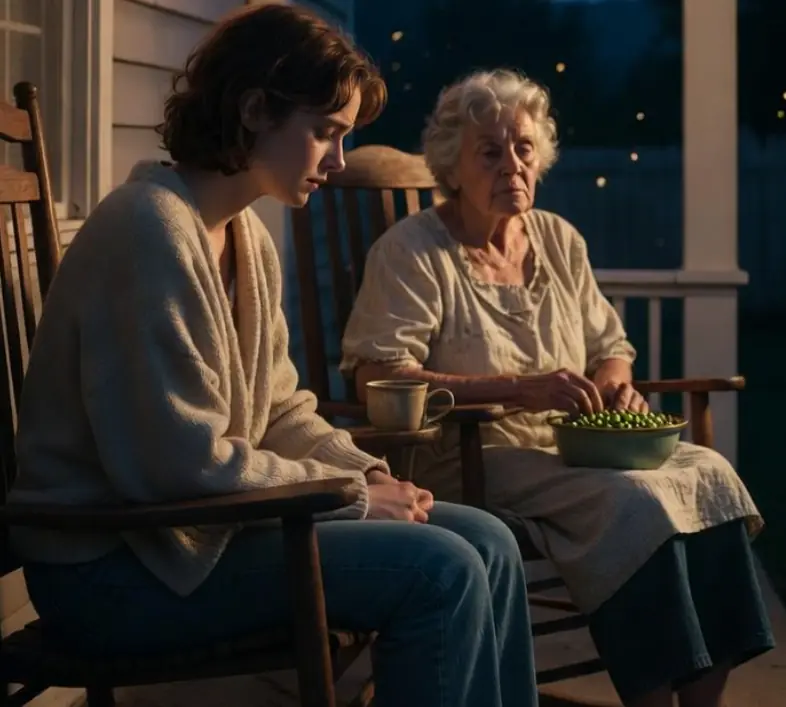
The day i finally called her mom was the day i stopped feeling alone
The day i finally called her mom was the day i stopped feeling alone
Story 18/02/2026 10:29
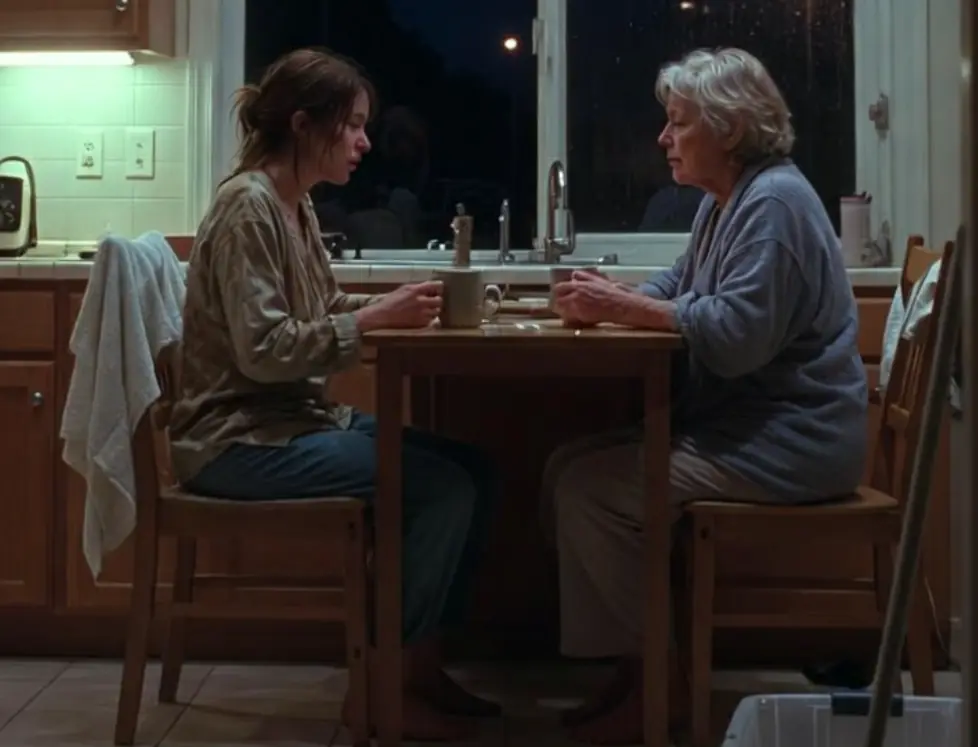
The air in our house had become a physical weight, thick with the kind of silence that precedes a storm. For two years, since my mother-in-law, Mrs. Miller, moved into our guest suite, the kitchen had felt less like a heart of the home and more like a tactical battleground. We were two women who loved the same people but spoke entirely different languages.
I was the "modern" mother—organized, reliant on research, and a firm believer in low-sodium meals and scheduled bedtimes. Mrs. Miller was a force of tradition. She believed that a pinch of salt solved most problems and that a child’s bedtime was merely a suggestion if they were "still having fun."
"The potatoes are a bit pale, aren't they, Sarah?" she would say, her voice as smooth as river stone. "In my house, we always browned them in butter. It gives them a soul."
I would tighten my grip on the wooden spoon, forced to smile while my internal monologue screamed. "I’m trying to keep things healthy for the kids, Mrs. Miller. The souls of our potatoes can wait until the holidays."
The disagreements weren't just about starch. They were about the laundry (she hung everything out; I used the dryer), the discipline (she whispered; I used a firm 'no'), and the very atmosphere of the living room. Every comment felt like a tiny needle, a reminder that I was being watched and measured against an impossible standard. I felt like an intruder in my own life, and I was certain she viewed me as a stubborn girl who didn't know the first thing about running a "real" home.
Then came the Tuesday of the great storm.
The sky had been a bruised purple since noon, and by 7:00 PM, the wind was howling through the eaves of the house. My husband, Mark, was stuck at a late meeting three towns over, and the rain was coming down in sheets so thick you couldn't see the driveway.
It started with a flicker of the lights and then a sudden, jarring darkness.
"The power is out," I said, fumbling for my phone in the shadows.
"The basement," Mrs. Miller’s voice came from the doorway, uncharacteristically sharp. "Sarah, the sump pump won't run without power. If the rain keeps up like this, we’ll be under a foot of water by midnight."
I felt a surge of panic. I knew nothing about sump pumps or basements. "What do we do?"
"We move," she said, already clicking on a heavy industrial flashlight. "Get the children into the upstairs guest room with their blankets. Then, find every bucket, bin, and towel we own. We are going to have to bail it out manually until the storm breaks."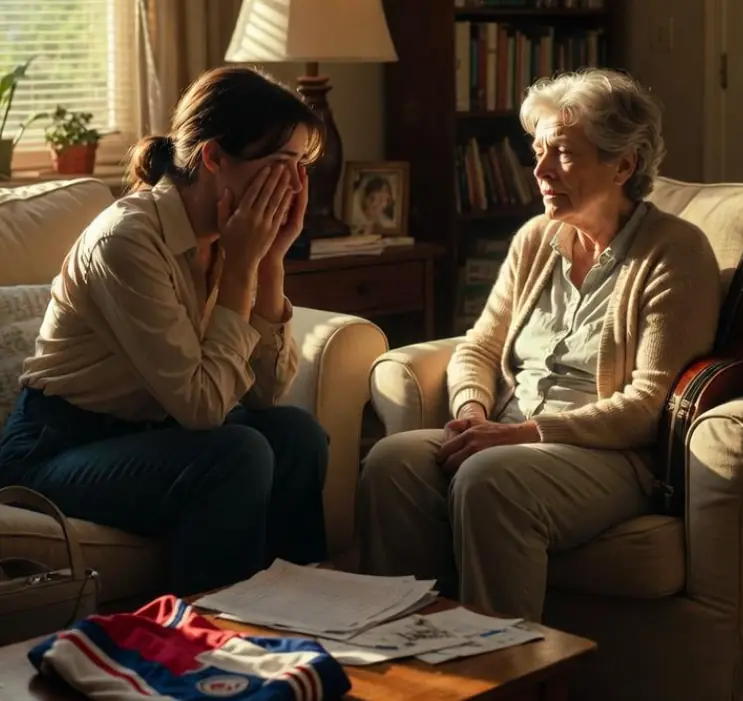
For the next four hours, the "battle" vanished. We weren't two women arguing over potato souls; we were a crew on a sinking ship. We worked in a rhythmic, grueling synchronization. I would fill the heavy plastic bins with the rising water in the corner of the basement, and Mrs. Miller, with a strength I didn't know her sixty-eight-year-old frame possessed, would help me heave them toward the drain or the window.
The rain hammered against the house, a relentless drumming that drowned out everything but our heavy breathing and the slosh of water. We were soaked to the bone, my hair plastered to my face and her favorite knit sweater ruined by silt.
"Over here!" I shouted, pointing to a new leak near the stairs.
She didn't hesitate. She threw down a stack of towels and used her body weight to press them against the seam. "I’ve got it! Keep bailing, Sarah! Don't let it reach the furnace!"
In the middle of the chaos, something shifted. I watched her—the woman I had thought was fragile and judgmental—fighting for our home with a fierce, quiet bravery. She didn't complain about her back or her damp clothes. She just worked. And for my part, I stopped worrying if she was watching my "technique." I just leaned on her.
Around 11:00 PM, the storm finally slowed to a drizzle, and the water level stopped rising. We stood in the damp, dark basement, lit only by the dying glow of the flashlight, and leaned against the cold concrete wall.
"I think we won," I gasped, wiping a smudge of dirt from my forehead.
Mrs. Miller let out a short, tired laugh. "We certainly didn't lose. Go on, Sarah. Go check the children. I’ll start a fire in the hearth. We need to dry out before we catch our death."
Half an hour later, the children were fast asleep and the fireplace was crackling with a warm, orange glow. Mrs. Miller had changed into a dry robe and was standing in the kitchen, her back to me. She was making tea by candlelight.
"I’m sorry about the basement," I said, sitting at the small kitchen table. "And I’m sorry I was so... prickly tonight."
She turned around, carrying two steaming mugs. She set one in front of me and sat down. The flickering light softened the lines on her face, making her look younger, more vulnerable.
"I wasn't easy tonight either," she said softly. "But then, I haven't been easy since I moved in, have I?"
I didn't answer. I didn't have to.
"When I was your age," she started, her eyes fixed on the steam rising from her tea, "I moved in with my husband’s mother. I was twenty-two, and I thought I knew the world. She was a woman very much like me—loud, traditional, and convinced that her way was the only way. I used to cry in the bathroom because she told me my bread didn't rise enough or that I didn't swaddle the baby tight enough."
I looked at her, stunned. "You? You felt like that?"
"Every single day," she whispered. "I felt like I was a ghost in her house. I promised myself I would never be like her. I promised I would be the supportive, quiet mother-in-law who stayed out of the way."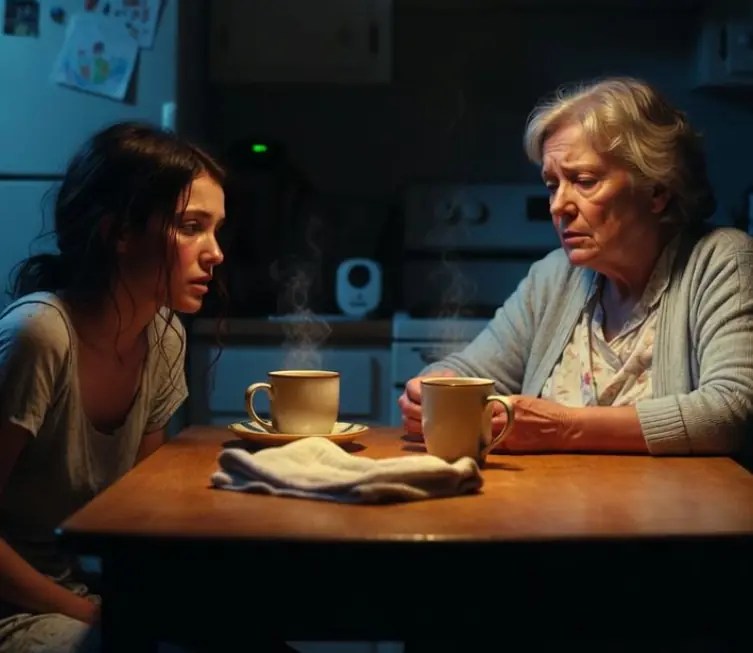
She let out a bitter, self-deprecating chuckle. "And yet, here I am. I realized a few months ago that I was doing exactly what she did. I wasn't trying to be mean, Sarah. I was just so afraid of being unnecessary. When I tell you to brown the potatoes, I’m not saying you’re a bad cook. I’m just trying to feel like I still have something to give. I’m trying to stay relevant in a world that feels like it’s moving too fast for me."
The pride that had kept me upright for two years simply dissolved. I reached across the table and took her hand. It was rough and calloused from the night’s work.
"I didn't know," I said, my own voice trembling. "I thought you were trying to replace me. I thought you were judging my life because it didn't look like yours."
"No," she said, squeezing my hand. "I was judging myself because I didn't know how to fit into yours."
We sat in the quiet of the rainy night, sharing stories that had been locked away behind a wall of "polite" conversation. She told me about the loneliness of being a widow, and I told her about the crushing pressure of trying to be a "perfect" modern mother. We laughed about the absurdity of our silent cold war—the way we had both been "re-cleaning" the same counters just to prove a point.
"From now on," I said, a smile finally breaking through the exhaustion. "If the potatoes are too pale, just tell me. But don't tell me they don't have a soul. That’s a lot of pressure for a root vegetable."
Mrs. Miller laughed, a warm, genuine sound that filled the kitchen. "Deal. And if I start acting like a school warden, you have my permission to tell me to go take a nap."
"It’s a promise," I said.
The lights flickered and then buzzed back to life, flooding the room with a sudden, bright glow. We both squinted, looking at our dirty, tired reflections in the window. We looked like a mess, but for the first time in two years, the house felt like a home.
We are the Millers, and we are still two very different women. She still thinks I use too much technology, and I still think she uses too much butter. But the "battleground" is gone. We have replaced the silence with questions, and the needles with honest conversations.
I learned that night that pride is a very cold blanket to wrap yourself in during a storm. It is much warmer to stand side by side, buckets in hand, and realize that you are both fighting for the same thing.
I am so grateful for that rainy night. It didn't just save our basement; it saved our family. We are no longer two women living under one roof; we are two partners in the beautiful, messy business of life.
The day i finally called her mom was the day i stopped feeling alone

I used to avoid talking to my mother in law until we found something we both loved
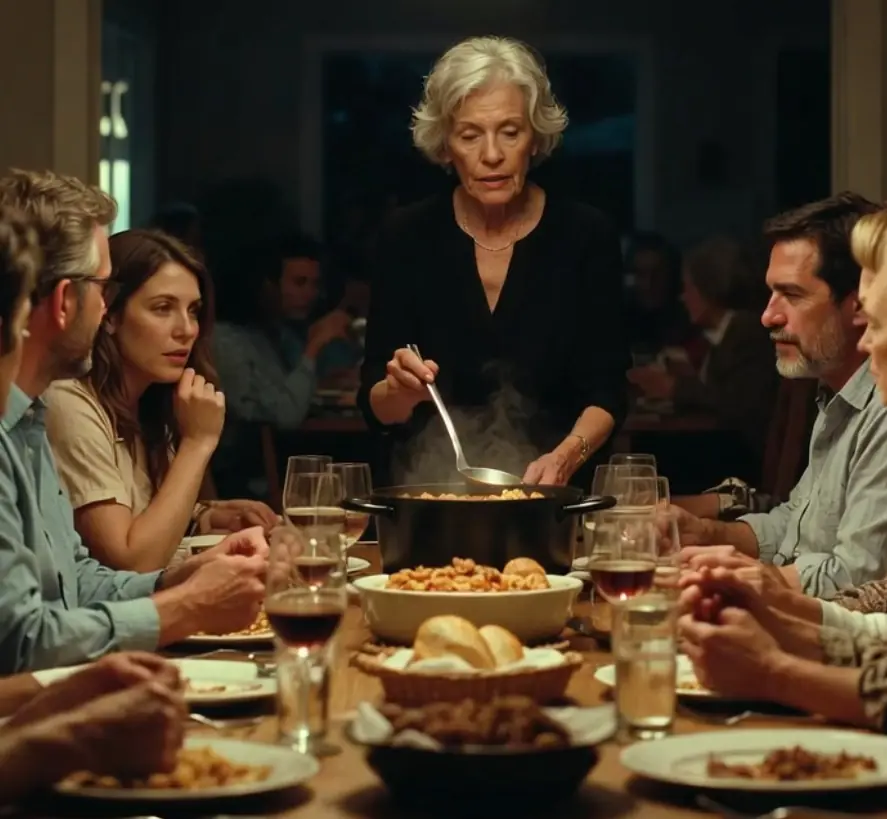
The recipe my mother in law taught me became the bridge between us
I Thought My Mother In Law Never Approved Of My Career Until She Did Something I Will Never Forget
I Was Afraid My Mother In Law Would Replace Me As A Mother Until I Realized She Was Trying To Protect Me

The day my mother in law called me daughter changed our relationship forever
Living with my mother in law was the hardest thing until we learned to truly see each other
I thought my mother in law did not like me until the day i found out the truth

Brother, Where’s the Mansion I Asked You to Build? Why Are You Sleeping in a Sty?
Christmas Dinner Was the Last Straw: The Day I Finally Called the Police
My Mom Said, “Your Brother Is the One We Can Count On.” I Stood Up and Said, “Fine—Then He Can Pay the Bills.”

He Invited Me Over for Dinner—But What I Found in His Kitchen Changed Everything

I saved a wealthy child while working as a cook, but when the owner accused me of theft and ripped my blouse, I was left speechless
Don’t like my cooking? Leave my house. This isn’t a restaurant,” the daughter-in-law snapped, fed up with her mother-in-law’s constant criticism
My Son Canceled My Granddaughter’s Graduation Party Because He Said My Home “Smelled Like Cooking” and Was Too “Small-Town” for His New Wealthy Friends
“You Don’t Own This House, Son”: The Day a CEO Learned the Truth

From a Sidewalk Stroller to a Family Miracle: The Twins Who Changed Everything



The Two Subtle Symptoms That Preceded My Dad’s Pancreatic Cancer — and Why They Matter
The day i finally called her mom was the day i stopped feeling alone
I used to avoid talking to my mother in law until we found something we both loved
The recipe my mother in law taught me became the bridge between us

She Overlooked One Small Symptom — Now Diagnosed With Stage 4 Cancer at 47, She Wants Others to Listen
I Thought My Mother In Law Never Approved Of My Career Until She Did Something I Will Never Forget
Premature Gray Hair: Causes, Myths, and What You Can Do

One Common Mistake After a Meal Resulted in a Stroke: 3 Things You Should Avoid
I Was Afraid My Mother In Law Would Replace Me As A Mother Until I Realized She Was Trying To Protect Me
The day my mother in law called me daughter changed our relationship forever
Living with my mother in law was the hardest thing until we learned to truly see each other
I thought my mother in law did not like me until the day i found out the truth

What happens to your body if you eat just 3 a day...
Doctors reveal that eating oregano causes ...

Doctors Share What Happens to Your Body When You Eat Okra Regularly
Brother, Where’s the Mansion I Asked You to Build? Why Are You Sleeping in a Sty?
Christmas Dinner Was the Last Straw: The Day I Finally Called the Police
My Mom Said, “Your Brother Is the One We Can Count On.” I Stood Up and Said, “Fine—Then He Can Pay the Bills.”
He Invited Me Over for Dinner—But What I Found in His Kitchen Changed Everything