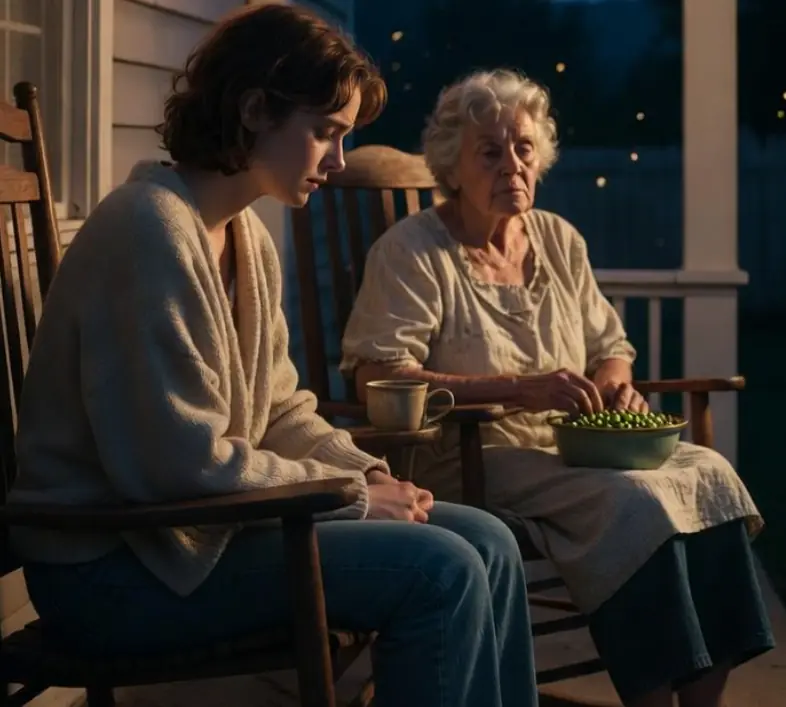
The day i finally called her mom was the day i stopped feeling alone
The day i finally called her mom was the day i stopped feeling alone
Story 18/02/2026 10:29
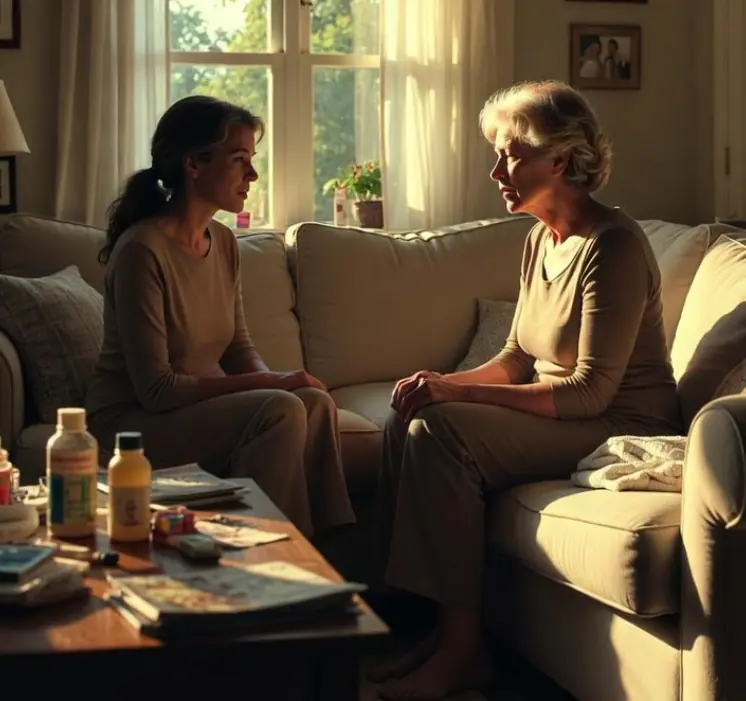
For the first three years of my marriage to Elias, I lived in a state of quiet, simmering insecurity. My mother-in-law, Martha, was a woman of iron-pressed linen and military-grade organization. She was the kind of person who could spot a single dust mote on a ceiling fan from across a crowded room. Every time she visited our small suburban home, I felt like I was being audited by the most meticulous IRS agent in history.
"The roast is a bit dry, isn't it, dear?" she would say softly, her voice as polite as a velvet hammer. "Perhaps next time, use a lower temperature. That is how Elias likes it."
Or she would walk into the nursery, adjust a blanket by two centimeters, and sigh. "It is a bit drafty in here, don’t you think? Babies catch cold so easily. My mother always said a warm nursery is a happy nursery."
To me, these weren't helpful tips. They were critiques. They were tiny, sharp arrows aimed at the core of my identity as a wife and a mother. I became convinced that in Martha’s eyes, I was the woman who had stolen her son and was now failing to provide him with the standard of living he deserved. I felt like I was constantly walking on eggshells, trying to be the "perfect" version of myself, only to fall short every single time she looked at me over the rim of her teacup.
The resentment grew in the silence of my own mind. I stopped inviting her over as often. I became defensive during phone calls. I told myself that she was a cold, judgmental woman who would never accept me as part of the family.
The truth began to reveal itself on a humid Saturday afternoon during a family reunion at Martha’s house. I had ducked into the kitchen to grab a fresh bottle of water for the baby, and I stopped short when I heard voices coming from the screened-in porch just beyond the pantry.
It was Martha, talking to her two sisters—women who were notorious for their sharp tongues and love of gossip.
"I don't know how Elias does it," Aunt Beatrice said, her voice dripping with artificial concern. "That house of theirs is always so... lived in. And the way she lets the baby crawl on the floor? It is a wonder they aren't all sick."
I froze, my hand clutching the cold plastic bottle, waiting for Martha to join in. I expected her to agree, to offer up another critique about my cooking or my housekeeping.
"Beatrice, stop it," Martha said. Her voice wasn't soft this time; it was firm and protective. "The house is 'lived in' because it is full of love and activity. Elena is doing an incredible job. She is juggling a career, a mortgage, and a newborn with a grace I certainly didn't have at her age. She is the best thing that ever happened to my son."
I stood there, paralyzed.
"But the cooking—" the other aunt started.
"Her cooking is fine," Martha interrupted. "She tries so hard to make things Elias likes, even when she is exhausted. She is a powerhouse, and I won't have you sitting in my house speaking ill of her. She is my daughter-in-law, and she is a better mother than most. I am lucky to have her."
I backed away from the pantry, my heart hammering against my ribs. The woman I thought was my harshest critic was actually my fiercest defender.
Later that evening, after the guests had left and Elias was putting the baby down for a nap, I went into Martha’s laundry room to find my sweater. I noticed a small, handwritten notebook sitting on top of the dryer. It was open to a page titled: " Elena’s Favorites."
I shouldn't have looked, but I did. It was a list of my favorite flowers, the specific brand of coffee I liked, and notes about the baby’s schedule. But there was more. I saw a receipt for a professional house-cleaning service dated for the day before our last big party—a day when I had marveled at how "lucky" I was that the house stayed so clean. I realized then that Martha hadn't been "inspecting" my house; she had been secretly paying for help because she saw how overwhelmed I was.
I found her in the garden, pruning her rose bushes in the fading light. The air smelled of damp earth and blooming jasmine.
"Martha?" I said, my voice trembling.
She turned, her shears poised. "Yes, dear? Is the baby asleep?"
"I heard you today," I whispered. "In the kitchen. With your sisters."
Martha’s face went pale for a second, then softened. She looked down at her gloved hands. "Oh. I see. They can be very difficult women, Elena. I shouldn't have let them go on as long as they did."
"No," I said, stepping closer. "You defended me. You told them I was a powerhouse. And I saw the notebook, Martha. I saw the receipts. You’ve been helping us for months, haven't you? The cleaning service, the pre-made meals you 'accidentally' bought too much of... everything."
Martha sighed, a long, weary sound. She sat down on a stone bench and patted the spot next to her. "I know I can be difficult, Elena. I know I come across as cold and critical. But it isn't because I don't like you. It is because I am terrified for you."
"Terrified?" I asked, confused.
"I remember what it was like," she said, her eyes filling with tears. "Being a young mother, trying to do everything perfectly, feeling like the world was waiting for me to fail. I didn't have anyone to help me. I had to be strong, and that strength turned into a habit of being... well, bossy. I give you those 'tips' because I don't want you to struggle the way I did. I want your life to be easier than mine was."
She reached out and took my hand. Her skin was cool, but her grip was steady. "I praise you to others because I am so incredibly proud of you. I just didn't know how to tell you without feeling like I was intruding. I thought if I just did things quietly, you wouldn't feel like I was taking over."
The wall I had built around my heart for three years simply crumbled. I realized that every "critique" was actually an act of misguided love. Every adjustment of a blanket was a prayer for the baby’s safety. Martha wasn't the enemy; she was an ally who didn't know how to speak my language.
I started to cry—not out of sadness, but out of the sheer relief of being understood. "I thought you hated me, Martha. I thought I was never good enough for your son."
"Oh, Elena," she whispered, pulling me into a hug. It was the first time we had ever truly embraced. She smelled like lavender and garden soil. "You are more than enough. You are the heart of this family. I am sorry I made you feel anything less."
We sat in that garden for a long time, talking with an honesty we had never shared. I told her about my insecurities, and she told me about her own failures as a young wife. We laughed about the dry roast and the "drafty" nursery.
A new beginning started that night.
The next time Martha visited, she didn't adjust the blankets. Instead, she sat on the sofa and held my hand while I told her about my day. When she offered a cooking tip, I didn't take it as an insult; I took it as a secret from a woman who had walked the path before me.
Mutual respect is a quiet thing. it grows in the spaces where pride used to be. I am a wife who learned that the person you think is judging you might actually be the one rooting for you the loudest. Martha isn't just my mother-in-law anymore; she is my friend.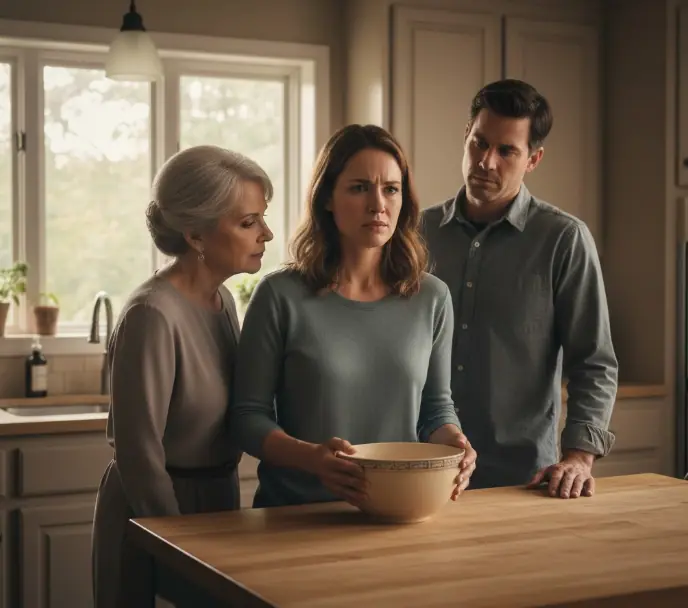
We are the Millers, and we are a family built on a foundation of "lived-in" rooms, imperfect roasts, and a love that is fierce enough to defend you when you aren't even in the room.
I am so grateful for the day I found out the truth. It didn't just change my relationship with Martha; it changed the way I see myself. I am a powerhouse, but even a powerhouse needs a little help sometimes.
The day i finally called her mom was the day i stopped feeling alone

I used to avoid talking to my mother in law until we found something we both loved
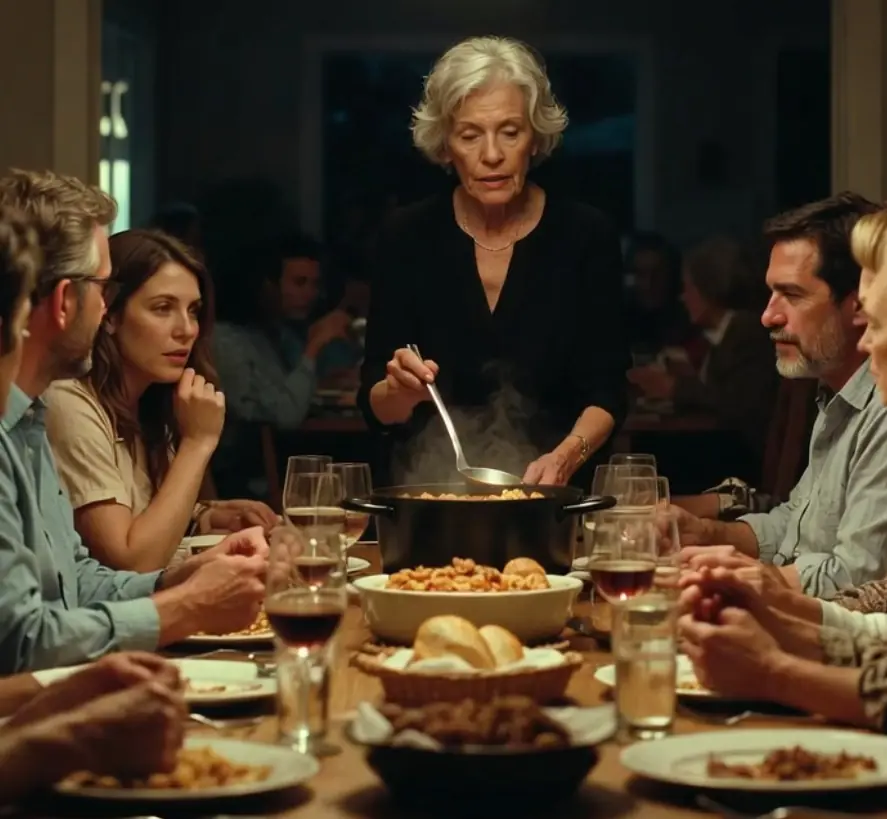
The recipe my mother in law taught me became the bridge between us
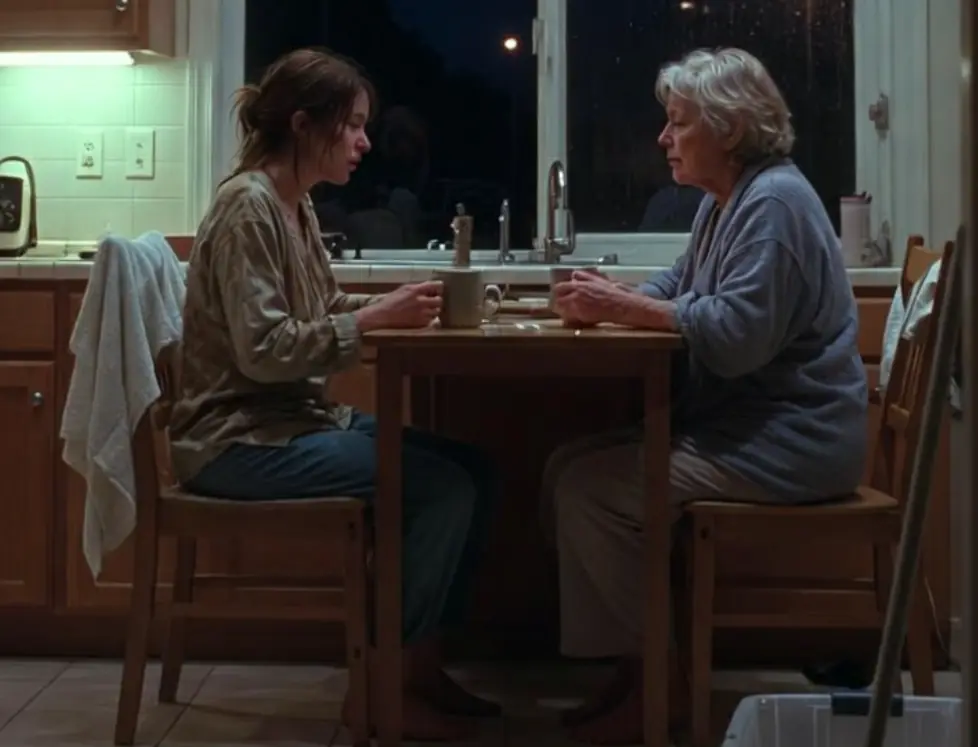
We Argued About Everything From Cooking To Parenting Until One Rainy Night Changed Us
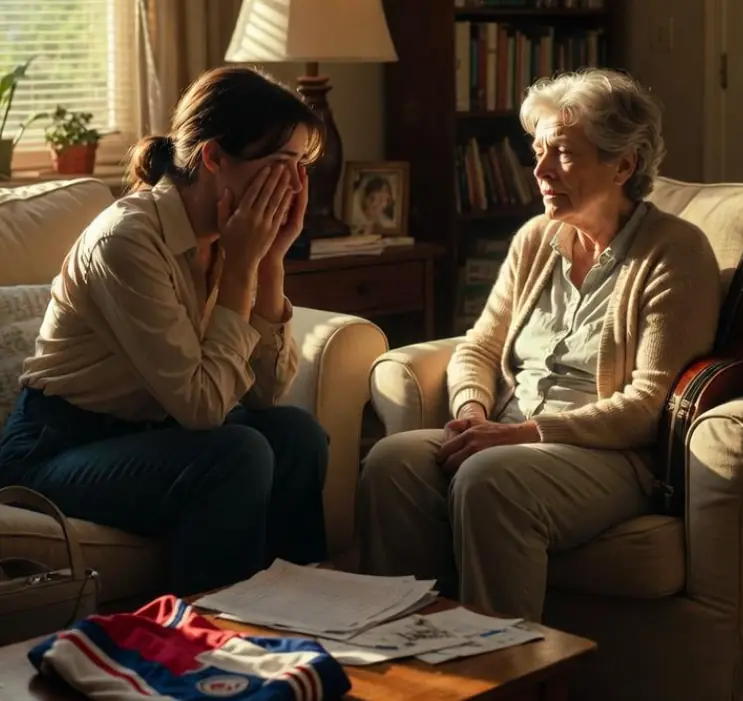
I Thought My Mother In Law Never Approved Of My Career Until She Did Something I Will Never Forget

I Was Afraid My Mother In Law Would Replace Me As A Mother Until I Realized She Was Trying To Protect Me

The day my mother in law called me daughter changed our relationship forever

Living with my mother in law was the hardest thing until we learned to truly see each other

Brother, Where’s the Mansion I Asked You to Build? Why Are You Sleeping in a Sty?
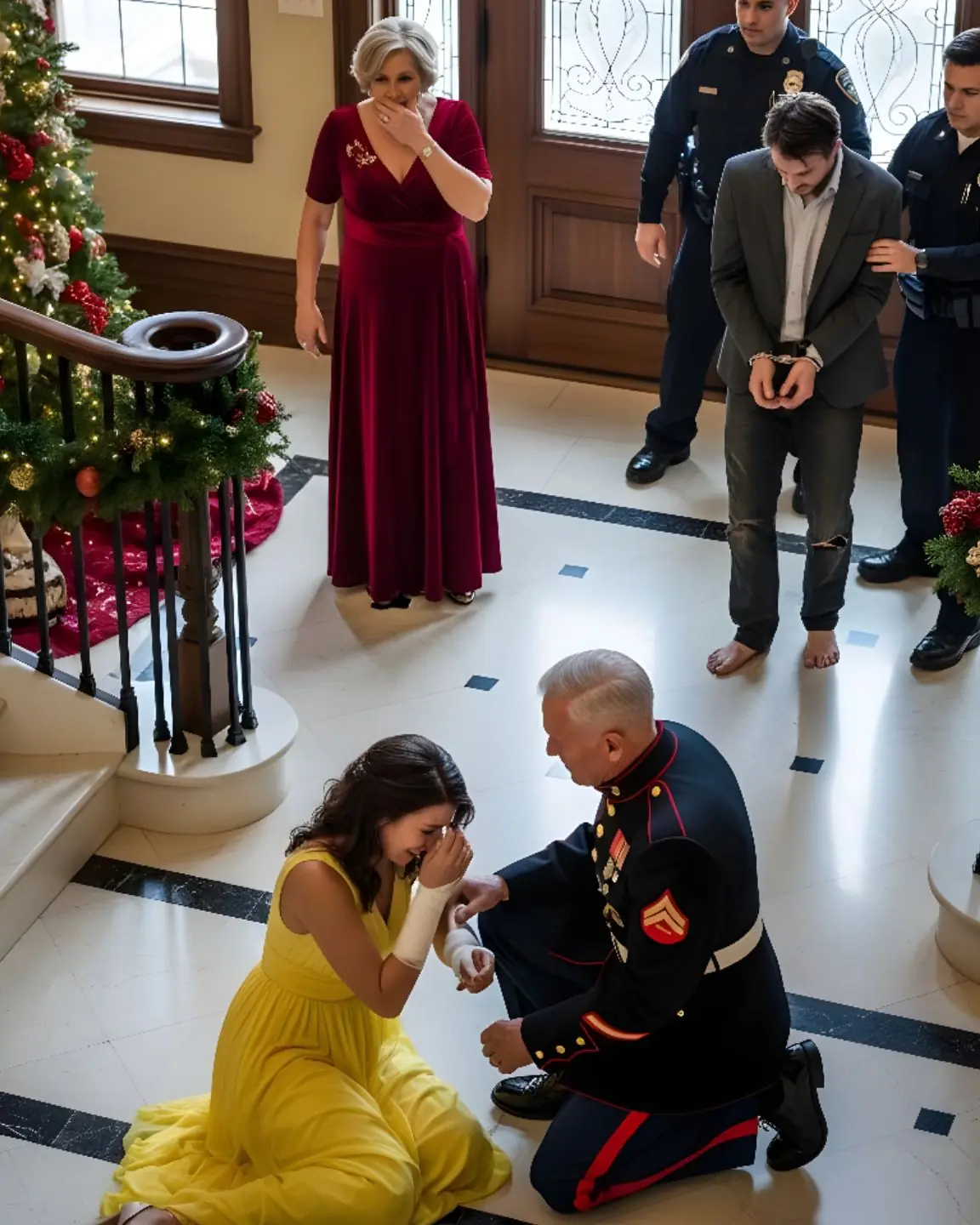
Christmas Dinner Was the Last Straw: The Day I Finally Called the Police
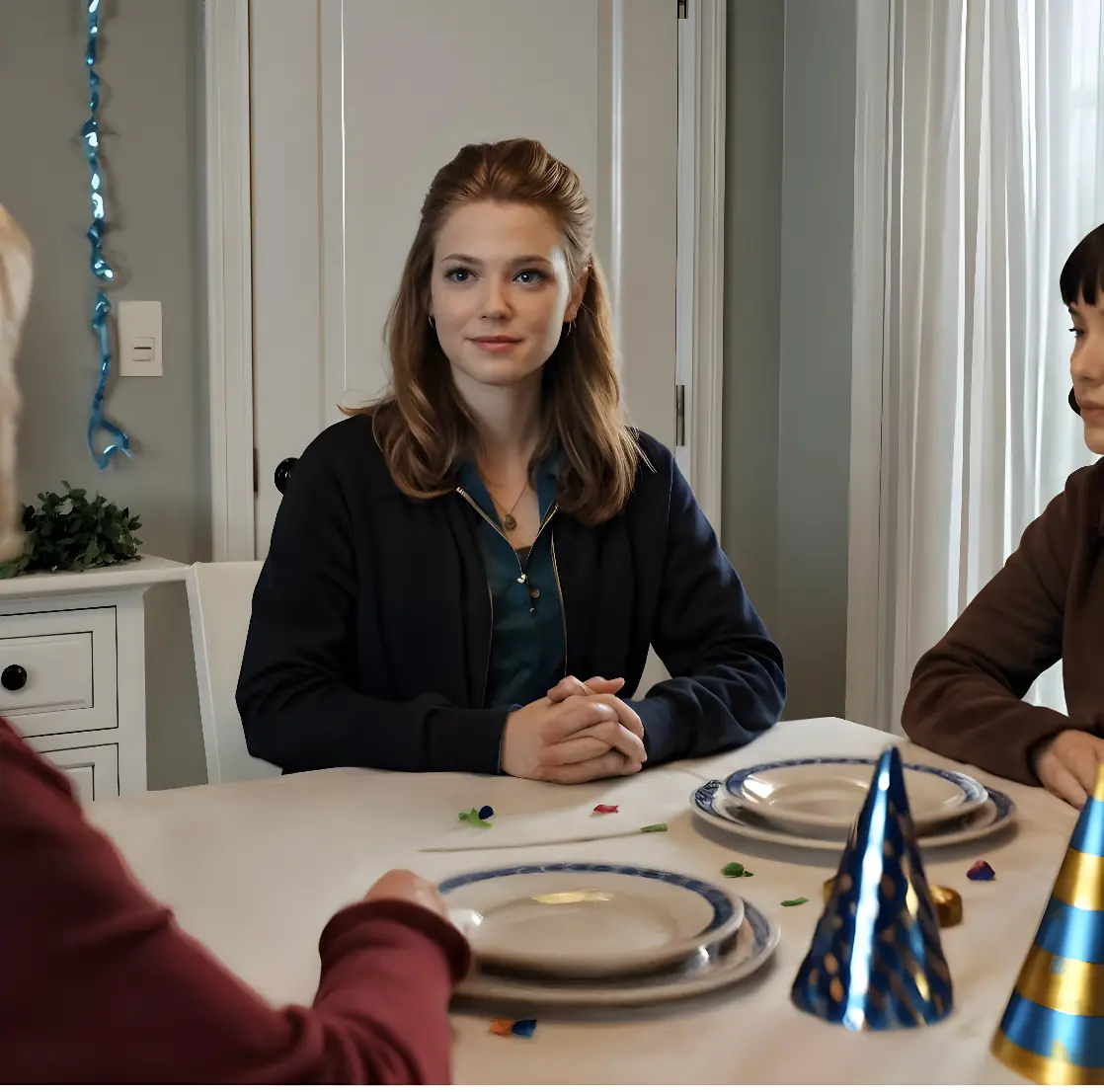
My Mom Said, “Your Brother Is the One We Can Count On.” I Stood Up and Said, “Fine—Then He Can Pay the Bills.”

He Invited Me Over for Dinner—But What I Found in His Kitchen Changed Everything

I saved a wealthy child while working as a cook, but when the owner accused me of theft and ripped my blouse, I was left speechless
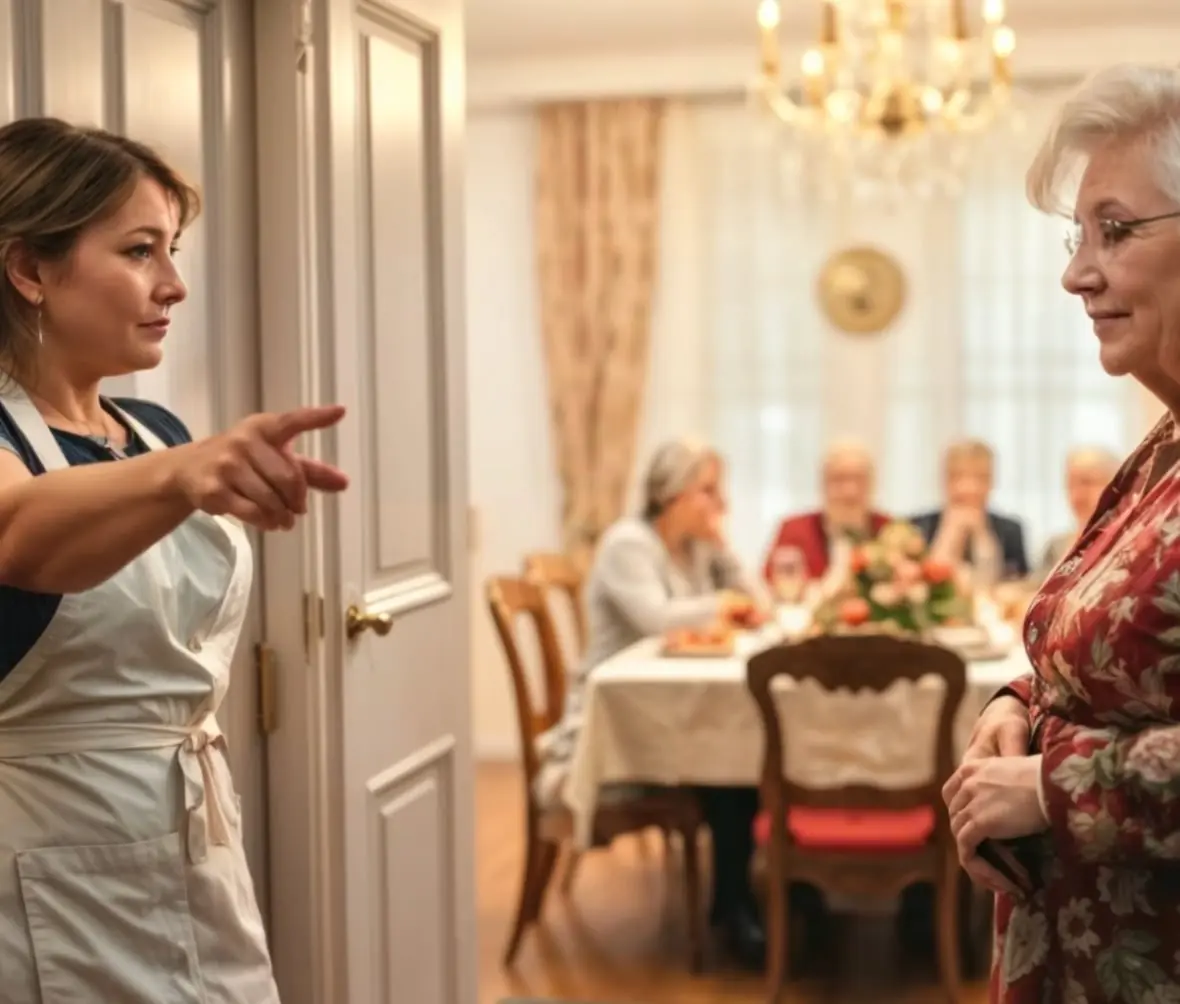
Don’t like my cooking? Leave my house. This isn’t a restaurant,” the daughter-in-law snapped, fed up with her mother-in-law’s constant criticism
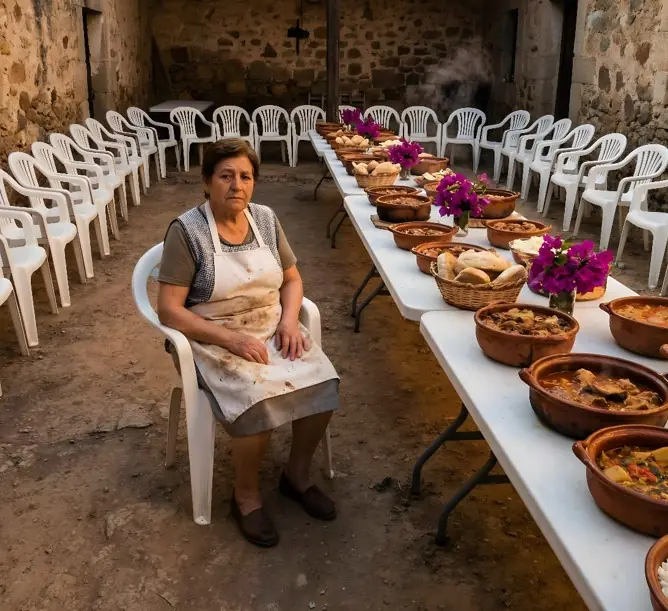
My Son Canceled My Granddaughter’s Graduation Party Because He Said My Home “Smelled Like Cooking” and Was Too “Small-Town” for His New Wealthy Friends

“You Don’t Own This House, Son”: The Day a CEO Learned the Truth

From a Sidewalk Stroller to a Family Miracle: The Twins Who Changed Everything


The day i finally called her mom was the day i stopped feeling alone
I used to avoid talking to my mother in law until we found something we both loved
The recipe my mother in law taught me became the bridge between us
We Argued About Everything From Cooking To Parenting Until One Rainy Night Changed Us
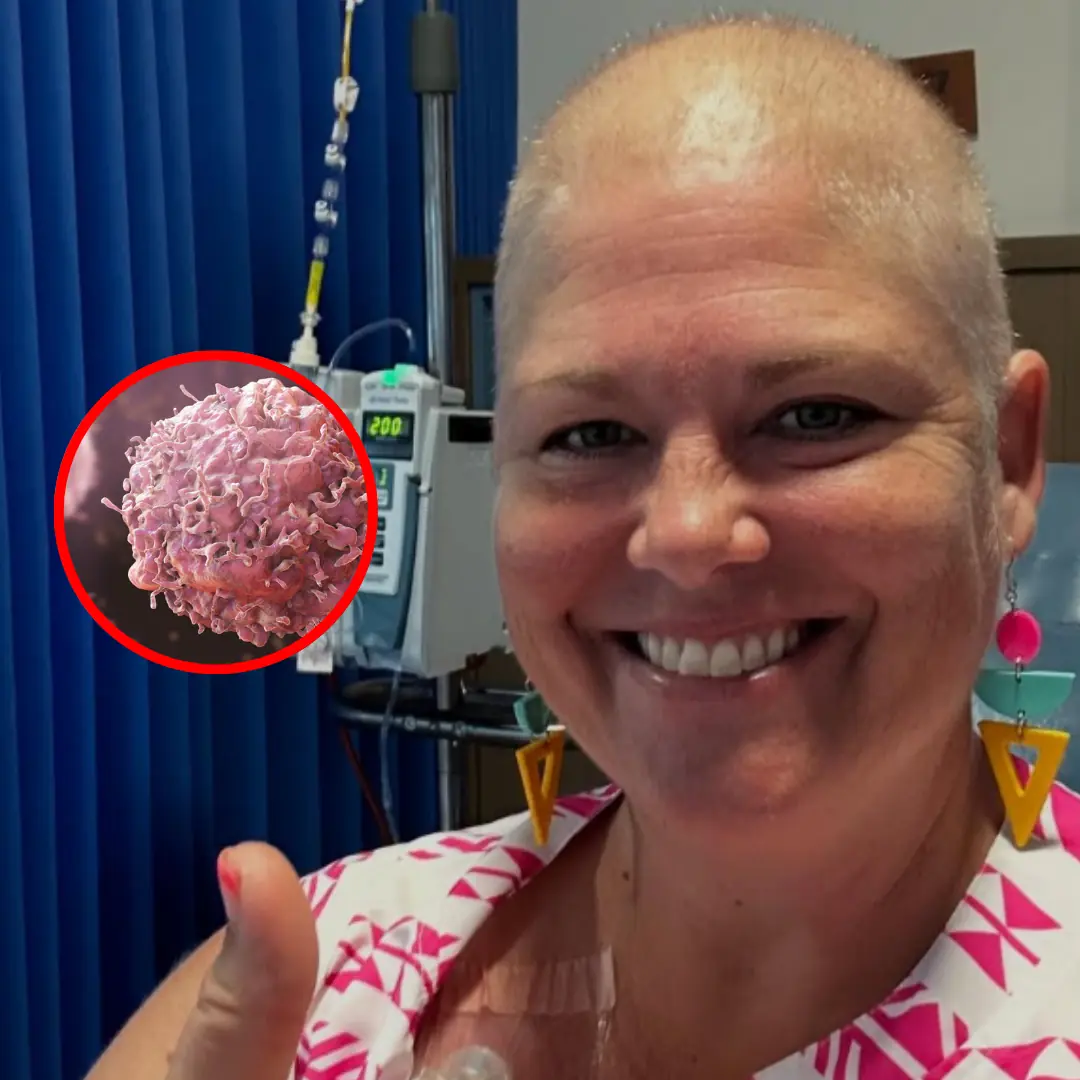
She Overlooked One Small Symptom — Now Diagnosed With Stage 4 Cancer at 47, She Wants Others to Listen
I Thought My Mother In Law Never Approved Of My Career Until She Did Something I Will Never Forget
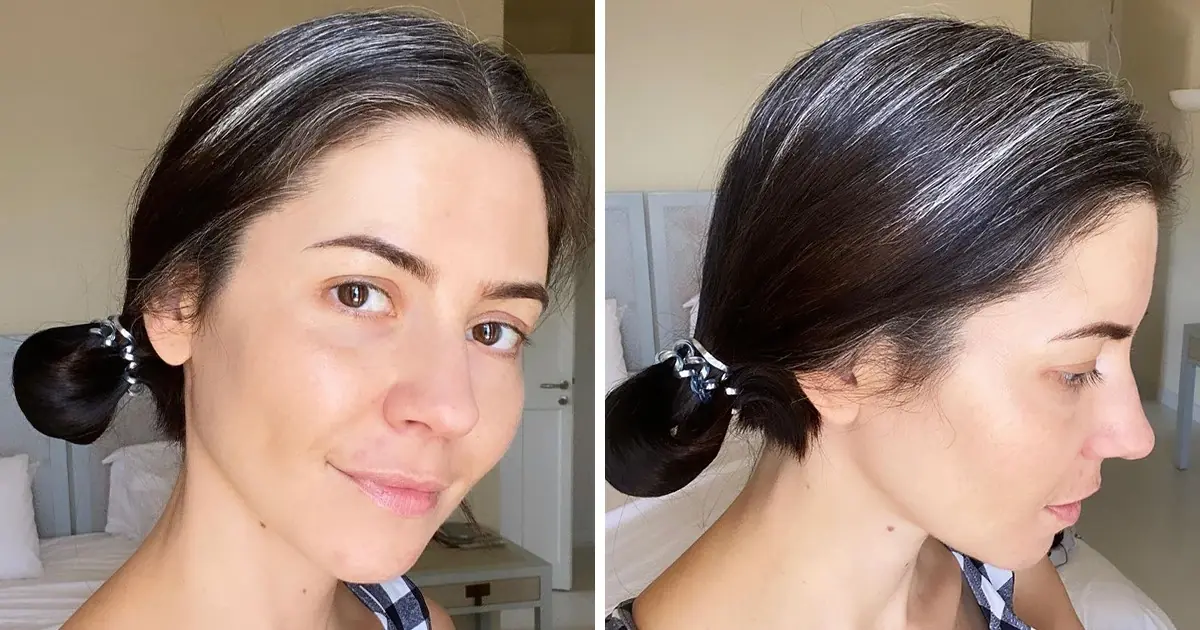
Premature Gray Hair: Causes, Myths, and What You Can Do

One Common Mistake After a Meal Resulted in a Stroke: 3 Things You Should Avoid
I Was Afraid My Mother In Law Would Replace Me As A Mother Until I Realized She Was Trying To Protect Me
The day my mother in law called me daughter changed our relationship forever
Living with my mother in law was the hardest thing until we learned to truly see each other

What happens to your body if you eat just 3 a day...

Doctors reveal that eating oregano causes ...

Doctors Share What Happens to Your Body When You Eat Okra Regularly
Brother, Where’s the Mansion I Asked You to Build? Why Are You Sleeping in a Sty?
Christmas Dinner Was the Last Straw: The Day I Finally Called the Police
My Mom Said, “Your Brother Is the One We Can Count On.” I Stood Up and Said, “Fine—Then He Can Pay the Bills.”
He Invited Me Over for Dinner—But What I Found in His Kitchen Changed Everything
I saved a wealthy child while working as a cook, but when the owner accused me of theft and ripped my blouse, I was left speechless