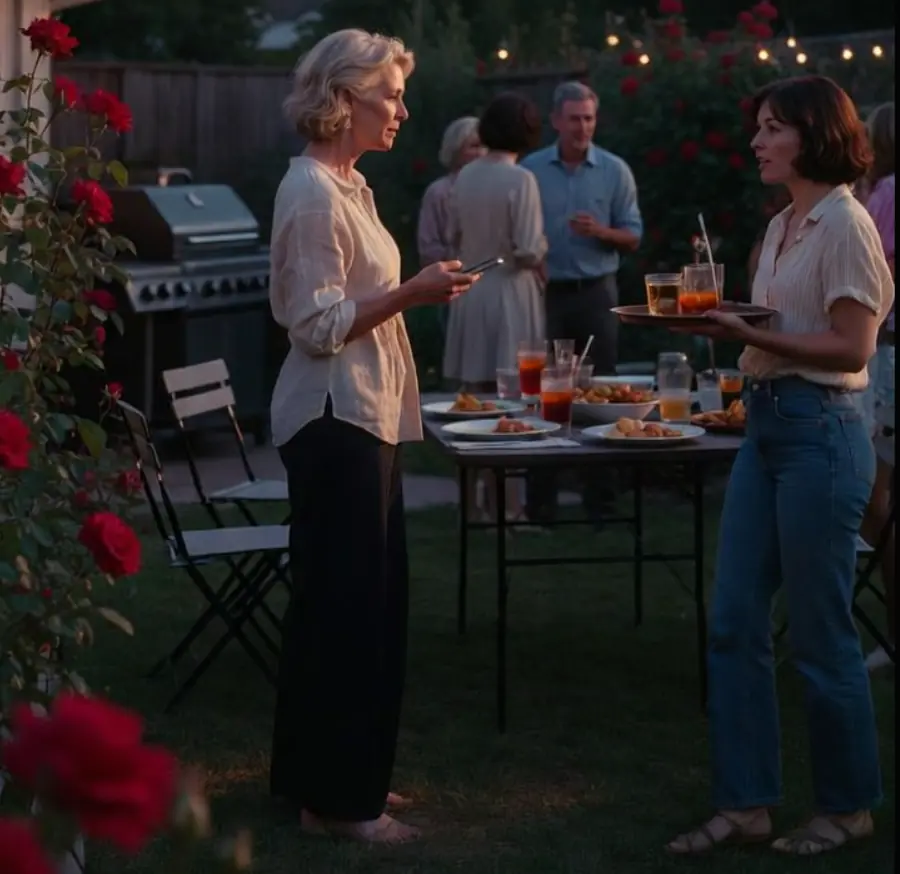
I used to avoid talking to my mother in law until we found something we both loved
I used to avoid talking to my mother in law until we found something we both loved
Story 18/02/2026 09:59
The silence in our new house was different from the silence of my childhood home. Back in Seattle, the quiet was always punctuated by the distant hum of the freeway, the damp scent of evergreen trees, and the comfort of knowing my own mother was just a ten-minute drive away. Here, in the heart of a small, sun-baked town in Georgia, the silence felt vast and heavy. It was a silence that made me feel like an island, drifting further and further away from the mainland of my previous life.
I had moved here six months ago for my husband’s career, and while I loved him deeply, the isolation was a slow-growing vine that had begun to wrap around my spirit. I was three thousand miles away from my sisters, my best friends, and the woman who knew exactly how I liked my coffee without me having to say a word. I spent my days navigating a town where the grocery store clerks called me "honey" with a kindness that felt foreign, and where the humidity felt like a physical weight I wasn't strong enough to carry.
I struggled silently. I didn’t want to burden my husband, who was already working ten-hour days to establish himself at the new firm. I kept my face bright during our evening dinners, but my heart was perpetually bruised. I felt like a ghost, haunting a life that didn't quite fit me yet.
And then there was Mrs. Thorne—Evelyn.
My mother-in-law was a woman of soft edges and sharp intuition. She was the kind of person who could read the atmospheric pressure of a room just by walking through it. From the moment we arrived, she was there, but never in the way. She didn't drop by unannounced, and she didn't offer unsolicited advice on how to decorate the guest room. Instead, she operated in the margins.
I would wake up to find a small basket of fresh peaches on our porch with a note that simply said, “Found these at the market. They reminded me of you.” Or I would receive a text message on a particularly rainy Tuesday: “The library is having a quiet afternoon. Thought you might enjoy the corner nook near the history section.”
She noticed the small details that even my husband missed. She noticed the way I bit my lip when I talked about home. She noticed that I had stopped wearing my favorite colorful scarves, opting for muted grays that matched my internal landscape. She was offering quiet support, a steady hand held out in the dark, waiting for me to be ready to take it.
The breaking point arrived on a Friday evening in late September. It had been one of those days where everything felt like an uphill climb. A project at my remote job had fallen through, I had missed a call from my sister back home, and the overwhelming sense of "not belonging" had reached a fever pitch. I was sitting on our back porch, watching the fireflies begin their nightly dance, and I felt a sudden, sharp wave of grief for the version of myself I had left behind in Washington.
I didn't hear the screen door open. I only realized I wasn't alone when I felt a warm shawl being draped over my shoulders.
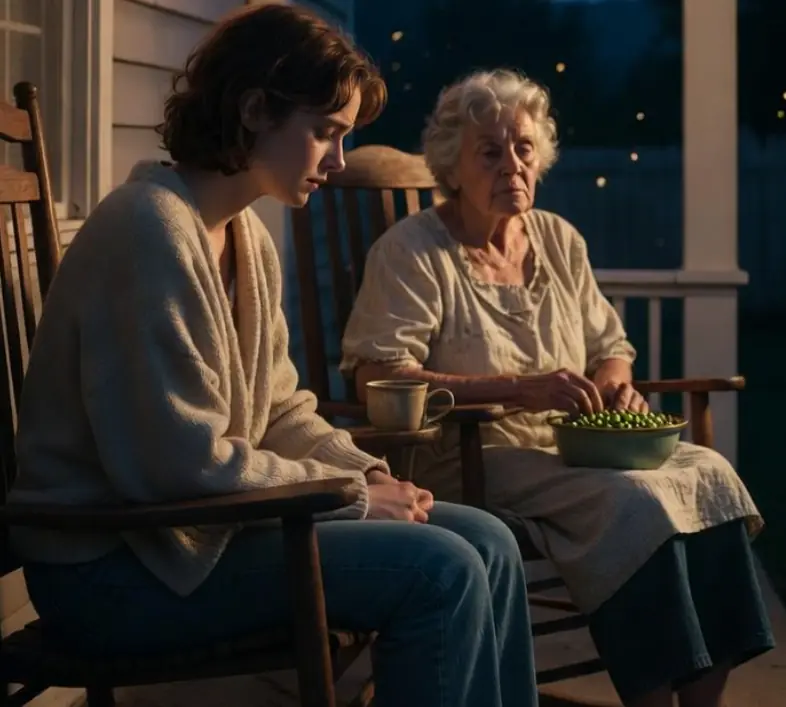
"The air gets a bit of a bite once the sun goes down," Evelyn said softly. She didn't ask if I was okay. She didn't demand an explanation for the tears that were currently carving tracks through the dust on my cheeks. She simply sat down in the rocking chair next to mine and began to shell a bowl of peas she had brought with her.
The rhythmic pop-pop-pop of the pea pods was the only sound for a long time. It was a peaceful, grounding noise. I watched her hands—weathered, capable, and steady.
"It’s hard, isn't it?" she said, her voice barely louder than the rustle of the leaves. "Moving your heart to a new zip code. It takes time for the roots to find the water again."
I let out a shaky breath, the dam finally breaking. "I just feel so invisible, Evelyn. I feel like if I stopped talking, nobody in this entire state would even notice I was gone. I miss my mom. I miss being known."
Evelyn set the bowl down and turned toward me. She didn't offer a cliché about "time healing all wounds." She reached out and took my hand, her grip warm and dry. "Being known is a gift, Elena. But being discovered is a beautiful thing, too. I see you. I’ve seen you since the day you got here. I see how hard you’re trying, and I see how much you love my son. You aren't invisible here. You’re just... in transition."
The kindness in her voice, so devoid of judgment and so full of genuine empathy, hit me like a physical force. In that moment of profound vulnerability, the distance between us—the titles of "mother-in-law" and "daughter-in-law"—simply evaporated. I looked at her, seeing the woman who had been quietly shielding me from my own loneliness for months, and the word just tumbled out of me, unbidden and raw.
"Thank you, Mom."
The word hung in the air, shimmering and unexpected. I froze, my eyes widening as I realized what I had said. I hadn't called her that before. I had spent years carefully navigating the formal boundaries of our relationship.
Evelyn’s hands stilled on the pea pods. She looked at me, her own eyes widening, and for a heartbeat, the world seemed to stop spinning. I felt a flush of embarrassment creep up my neck. "I’m sorry," I whispered, looking away. "I didn't mean to... I just..."
But before I could finish the apology, Evelyn was out of her chair. She pulled me into a hug that felt like a homecoming. She smelled like flour and rain and the specific, comforting scent of woodsmoke. She held me with a fierce, maternal strength that I hadn't felt since I crossed the border into Georgia.
"Don't you ever apologize for that," she whispered into my hair, her voice thick with emotion. "I’ve been waiting to hear you say that since the day Julian brought you home. I know I’m not the mother who raised you, Elena. I know I can't replace her. But I have so much room in my heart for another daughter. If you’ll have me."
I pulled back, searching her face. The "Mom" I had said wasn't a slip of the tongue; it was a recognition. It was the moment I realized that family isn't a fixed, finite resource. It’s not something that only exists in the place where you were born. It’s something that grows, often in the most unexpected soil, if you’re willing to tend to it.
"I’d love to have you," I said, wiping my eyes and finally, truly smiling.
We sat back down, the twilight deepening into a soft, velvety blue. The silence was back, but it wasn't the heavy, isolating silence from before. It was a shared silence, a comfortable space where words weren't necessary because the connection had already been made.
Over the next hour, Evelyn told me about the time she moved across the country as a young bride, and how she had spent her first month in this town crying into her kitchen sink. She told me how she had found her "village" through a local gardening club and a stubborn determination to make this place her own. She shared her own stories of isolation, reminding me that even the most "grounded" people were once just seeds looking for a place to sprout.
When Julian came home later that night, he found us still on the porch, the bowl of peas finished and a second pot of tea half-empty. He looked from his mother to me, sensing the change in the atmosphere.
"Everything okay out here?" he asked, leaning against the railing.
"Everything is wonderful," I said, standing up and reaching for his hand. "Your mom was just helping me find my roots."
Evelyn stood up too, smoothing her apron. She gave me a wink—a secret, conspiratorial look that said we’re in this together. "Goodnight, children," she said, pausing at the door. She looked back at me, her expression filled with a warmth that made the Georgia humidity feel like a gentle embrace. "I’ll see you tomorrow, daughter."
"See you tomorrow, Mom," I replied.
That night, as I lay in bed, the vast Georgia sky didn't feel so empty. The silence of the house felt like a soft lullaby rather than a void. I realized that the isolation I had been feeling wasn't a permanent state; it was just the growing pains of a heart expanding to fit a new kind of love.
I am still a Seattle girl at heart. I still miss the evergreen trees and the misty mornings of the Pacific Northwest. But I am no longer an island. I have a bridge. I have a woman who chose to see me when I felt invisible, and who chose to love me when I felt unlovable.
I learned that family isn't just about blood and birth certificates. It’s about the people who show up with shawls and peaches. It’s about the people who hear the things you don't say. And it’s about the moment you realize that you aren't alone, because someone else has decided to call you their own.
I used to avoid talking to my mother in law until we found something we both loved
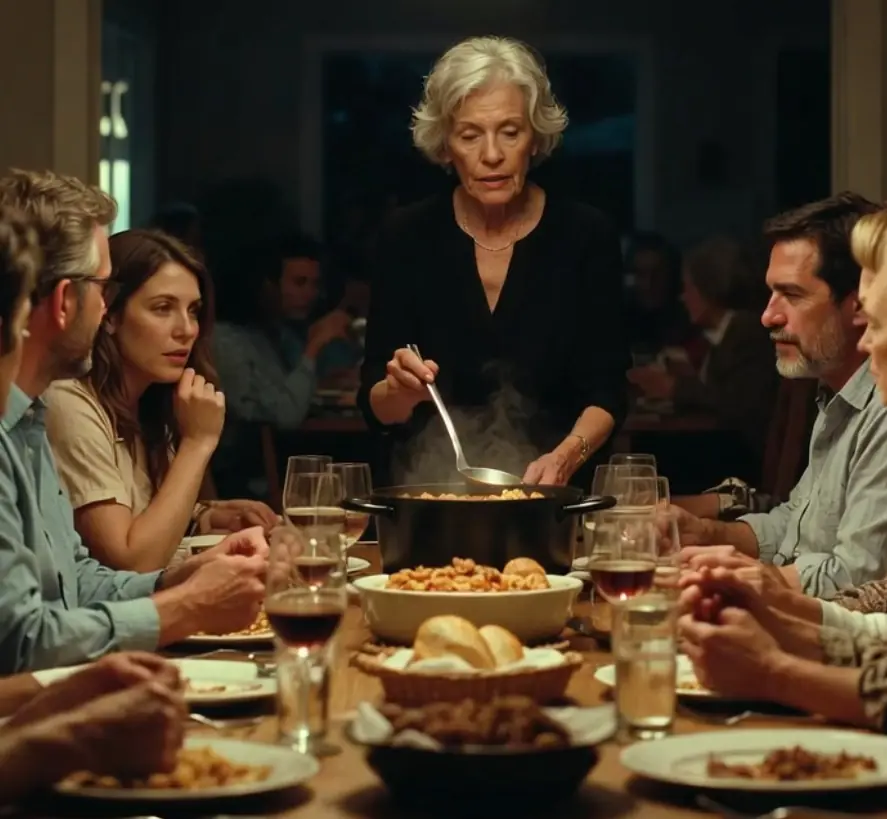
The recipe my mother in law taught me became the bridge between us
We Argued About Everything From Cooking To Parenting Until One Rainy Night Changed Us
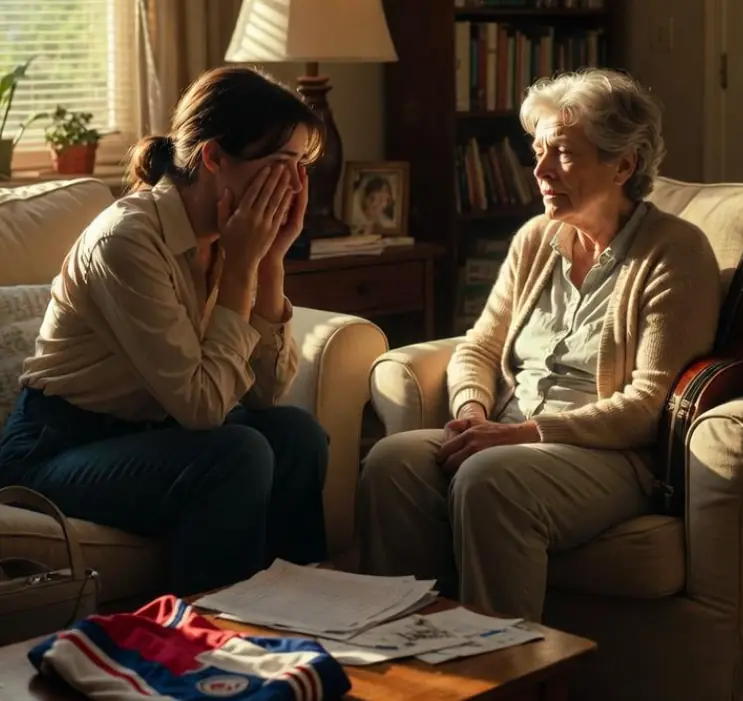
I Thought My Mother In Law Never Approved Of My Career Until She Did Something I Will Never Forget
I Was Afraid My Mother In Law Would Replace Me As A Mother Until I Realized She Was Trying To Protect Me
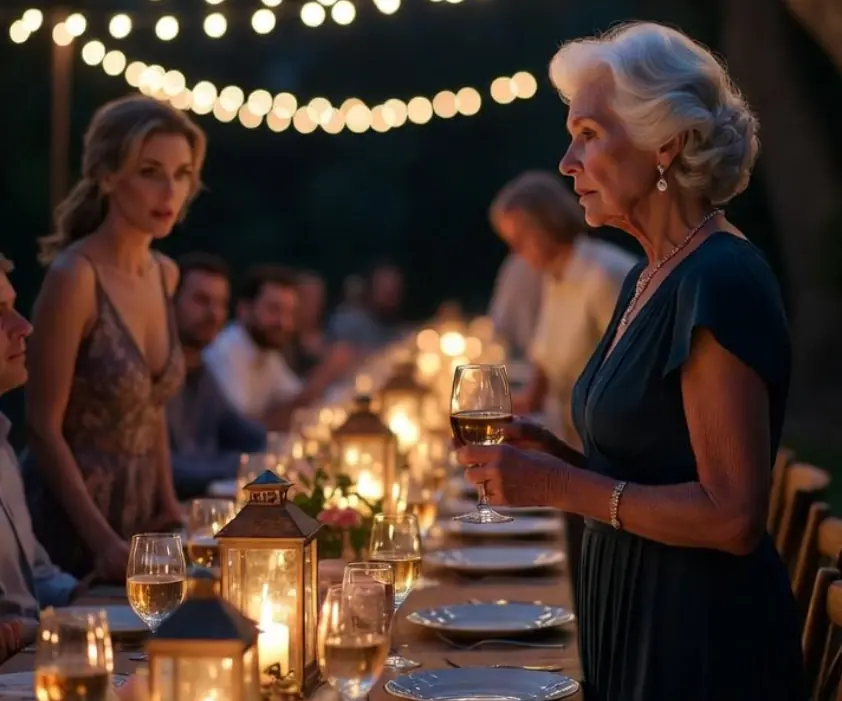
The day my mother in law called me daughter changed our relationship forever
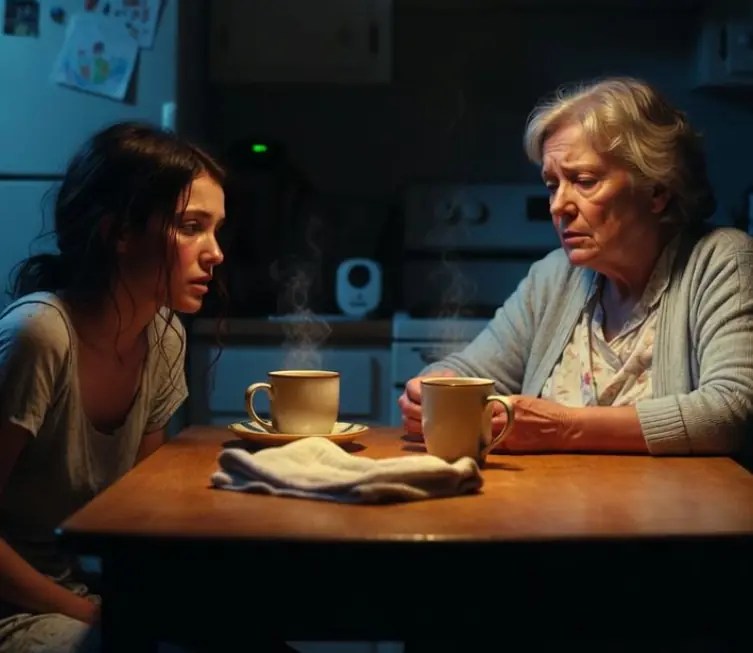
Living with my mother in law was the hardest thing until we learned to truly see each other
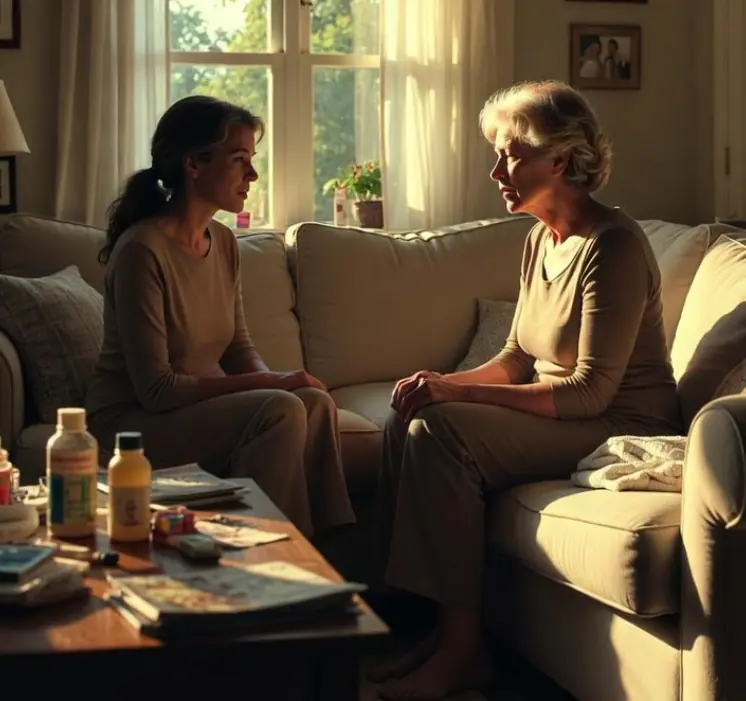
I thought my mother in law did not like me until the day i found out the truth
Brother, Where’s the Mansion I Asked You to Build? Why Are You Sleeping in a Sty?
Christmas Dinner Was the Last Straw: The Day I Finally Called the Police
My Mom Said, “Your Brother Is the One We Can Count On.” I Stood Up and Said, “Fine—Then He Can Pay the Bills.”
He Invited Me Over for Dinner—But What I Found in His Kitchen Changed Everything
Don’t like my cooking? Leave my house. This isn’t a restaurant,” the daughter-in-law snapped, fed up with her mother-in-law’s constant criticism
My Son Canceled My Granddaughter’s Graduation Party Because He Said My Home “Smelled Like Cooking” and Was Too “Small-Town” for His New Wealthy Friends
“You Don’t Own This House, Son”: The Day a CEO Learned the Truth

From a Sidewalk Stroller to a Family Miracle: The Twins Who Changed Everything


The Two Subtle Symptoms That Preceded My Dad’s Pancreatic Cancer — and Why They Matter
I used to avoid talking to my mother in law until we found something we both loved
The recipe my mother in law taught me became the bridge between us
We Argued About Everything From Cooking To Parenting Until One Rainy Night Changed Us
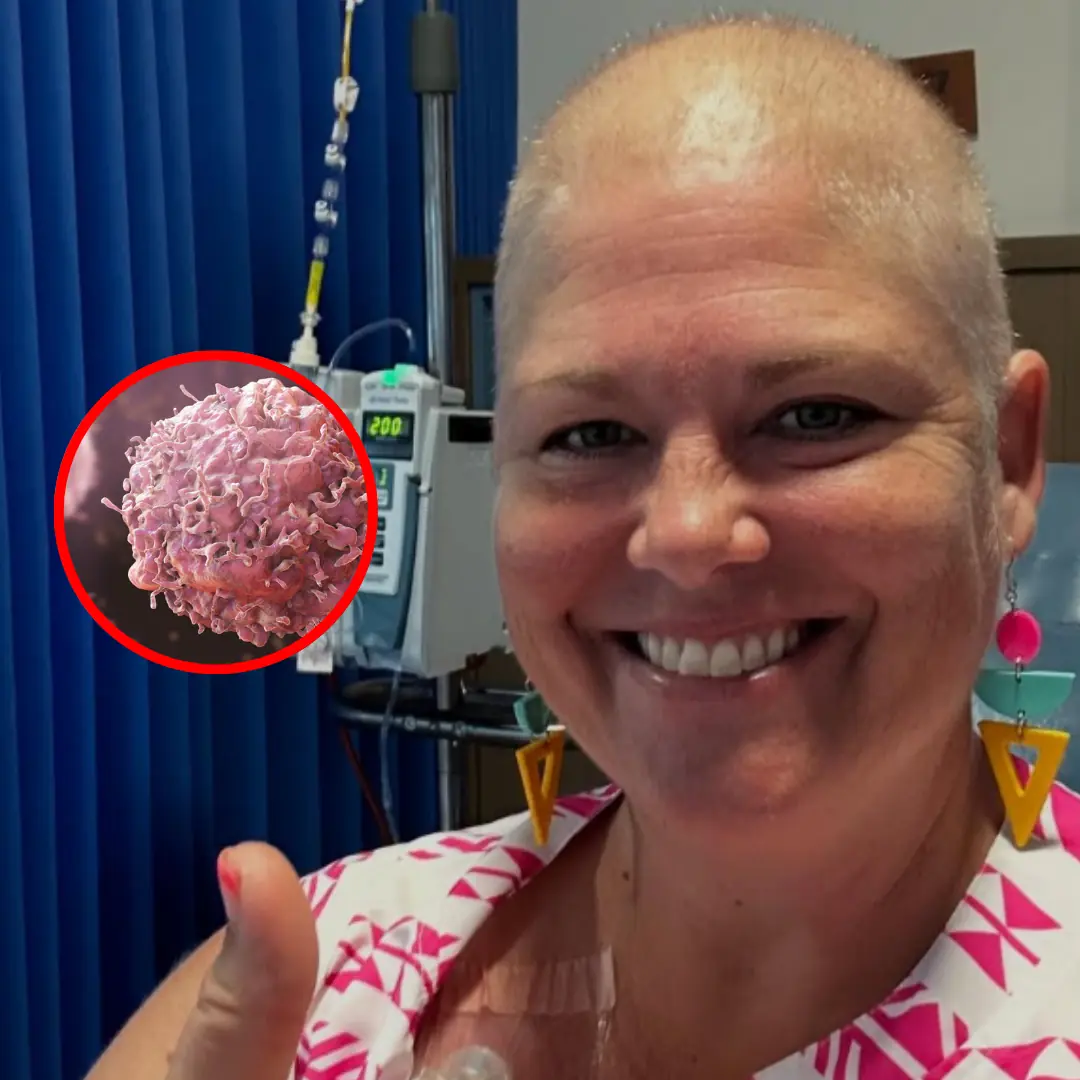
She Overlooked One Small Symptom — Now Diagnosed With Stage 4 Cancer at 47, She Wants Others to Listen
I Thought My Mother In Law Never Approved Of My Career Until She Did Something I Will Never Forget
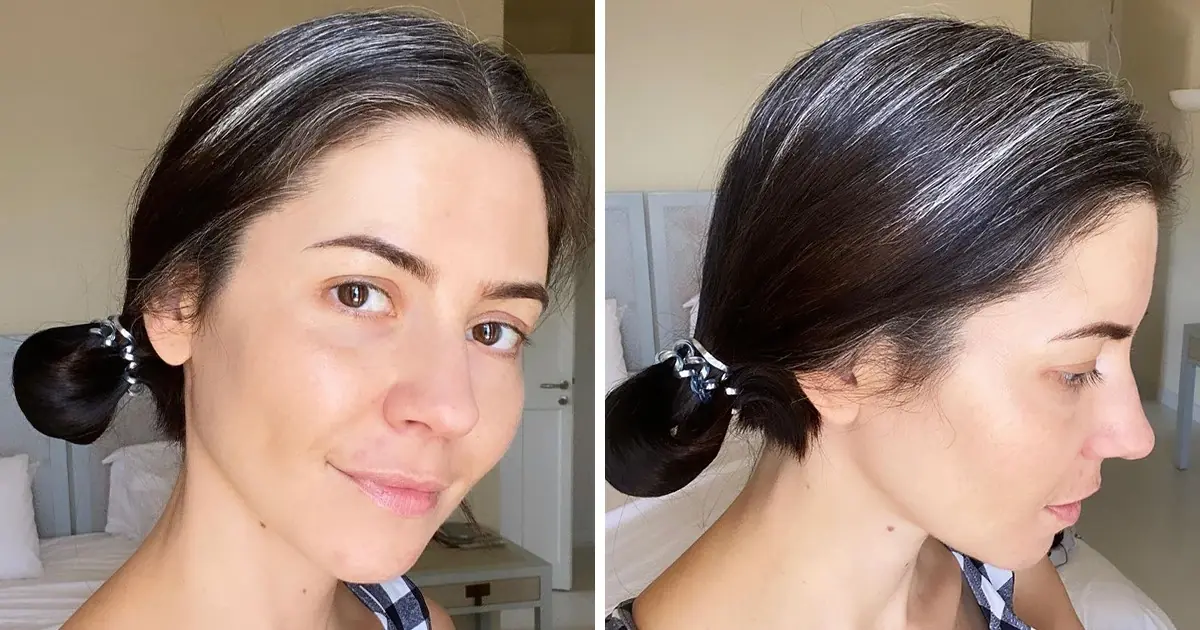
Premature Gray Hair: Causes, Myths, and What You Can Do

One Common Mistake After a Meal Resulted in a Stroke: 3 Things You Should Avoid
I Was Afraid My Mother In Law Would Replace Me As A Mother Until I Realized She Was Trying To Protect Me
The day my mother in law called me daughter changed our relationship forever
Living with my mother in law was the hardest thing until we learned to truly see each other
I thought my mother in law did not like me until the day i found out the truth

What happens to your body if you eat just 3 a day...
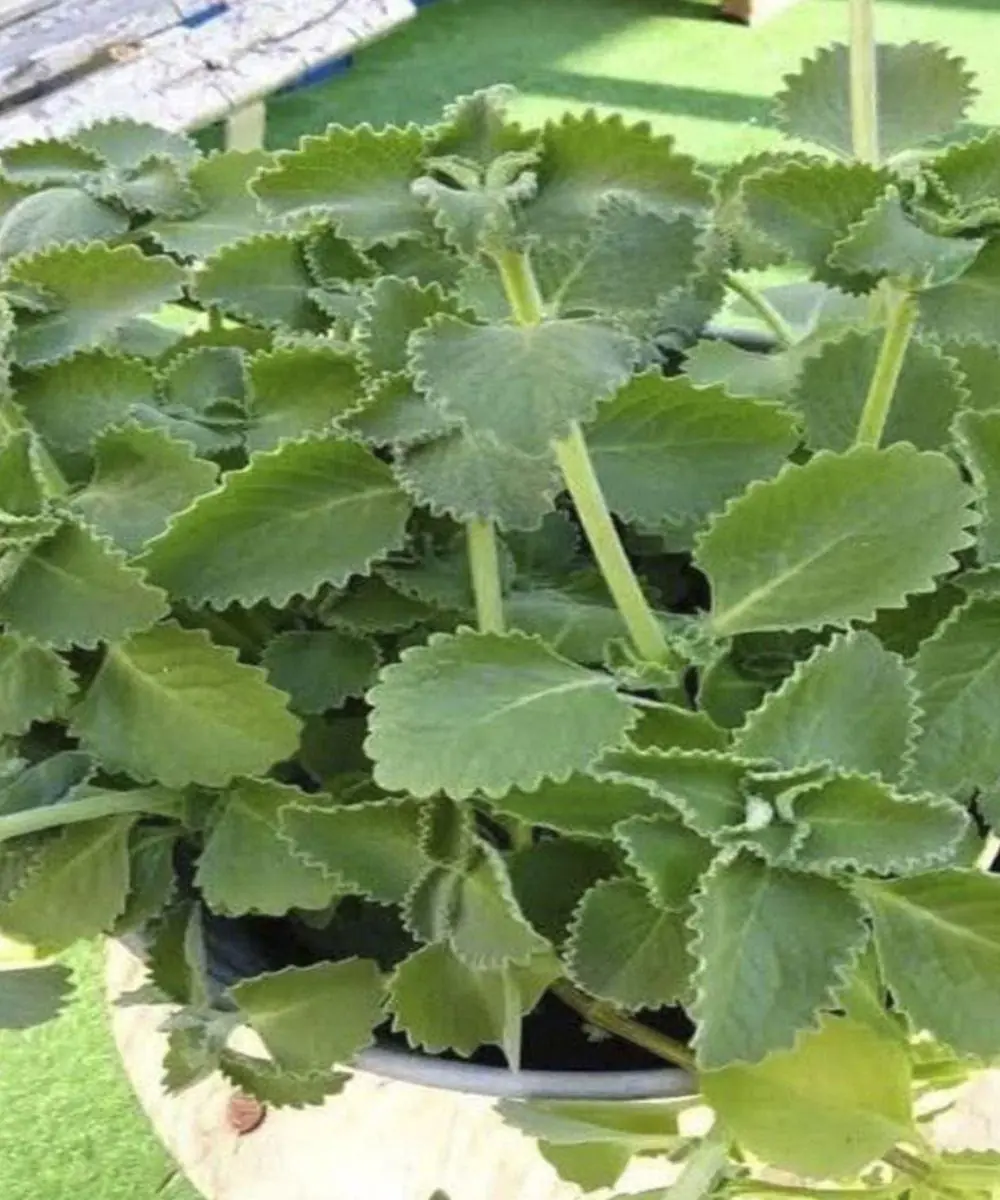
Doctors reveal that eating oregano causes ...
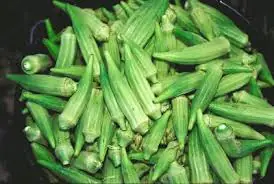
Doctors Share What Happens to Your Body When You Eat Okra Regularly
Brother, Where’s the Mansion I Asked You to Build? Why Are You Sleeping in a Sty?
Christmas Dinner Was the Last Straw: The Day I Finally Called the Police
My Mom Said, “Your Brother Is the One We Can Count On.” I Stood Up and Said, “Fine—Then He Can Pay the Bills.”
He Invited Me Over for Dinner—But What I Found in His Kitchen Changed Everything