That Small Wrist Lump You Keep Ignoring? Here’s What It Could Mean
At first glance, it looks harmless — just a small, rounded bump near the wrist joint. It doesn’t seem dramatic. It may not even hurt. But when something appears on the body without warning, especially near a joint used constantly, it deserves attention.
The lump shown in the image resembles what is commonly known as a ganglion cyst — one of the most frequent soft tissue masses found in the hand and wrist area. While often benign, understanding what causes it and how daily habits contribute can help prevent unnecessary worry and long-term discomfort.
What Is a Ganglion Cyst?
A ganglion cyst is a fluid-filled sac that develops near joints or tendons. The wrist is the most common location, particularly on the back (dorsal side) or palm side near the base of the thumb.
The fluid inside is similar to synovial fluid — the lubricating substance that allows joints to move smoothly.
These cysts:
-
Are non-cancerous
-
May fluctuate in size
-
Can feel firm or rubbery
-
May or may not cause pain
They often appear suddenly and sometimes shrink on their own.


Why Does It Appear? Something You Do Every Day
Repetitive wrist movement is one of the most common contributing factors.
Think about it:
-
Typing for hours
-
Using a computer mouse
-
Scrolling on a phone
-
Lifting weights
-
Repetitive manual tasks
Over time, small stresses on the joint capsule can allow synovial fluid to leak into surrounding tissue, forming a cystic pocket.
It’s not about one dramatic injury. It’s about micro-strain accumulated daily.
Who Is Most at Risk?
Ganglion cysts are more common in:
-
Adults aged 20–40
-
Individuals who perform repetitive wrist motions
-
Athletes (especially gymnasts or weightlifters)
-
Office workers with prolonged keyboard use
-
People with prior joint injuries
Women statistically develop them slightly more often than men.
Does It Hurt? Not Always
Some cysts are painless and purely cosmetic.
However, depending on location, they may:
-
Cause aching pain
-
Press on nearby nerves (tingling or numbness)
-
Limit range of motion
-
Feel tender with pressure
Pain typically increases with activity.



When Should It Be Evaluated?
Seek medical evaluation if:
-
The lump grows rapidly
-
Pain becomes persistent
-
Numbness or weakness develops
-
Movement becomes restricted
-
The lump changes color or shape
Doctors may use:
-
Physical examination
-
Ultrasound imaging
-
MRI (if needed)
In most cases, diagnosis is straightforward.
Treatment Options
1. Observation
If painless, doctors often recommend watchful waiting. Many cysts resolve spontaneously.
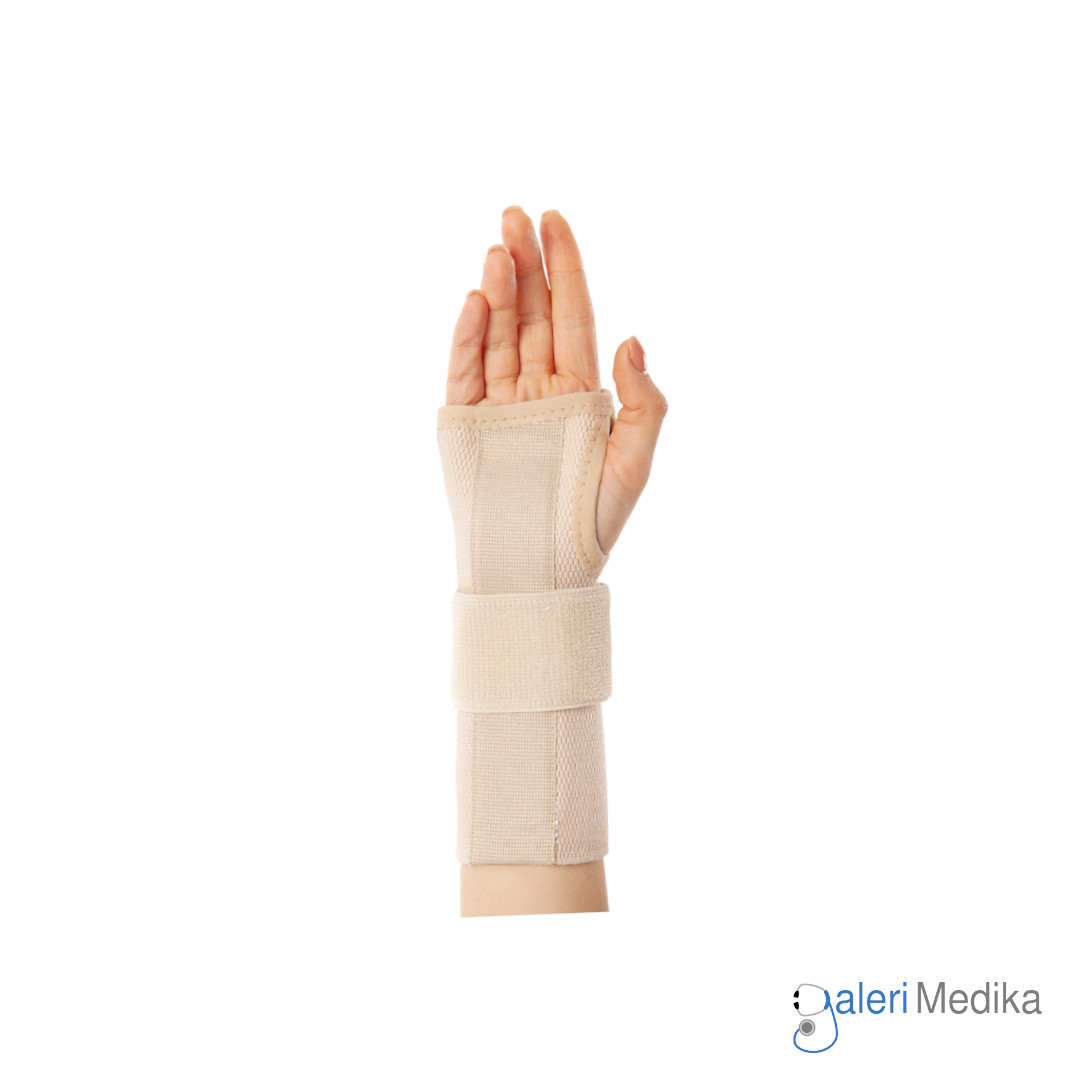
2. Immobilization
A wrist brace may reduce size by limiting motion and decreasing fluid production.
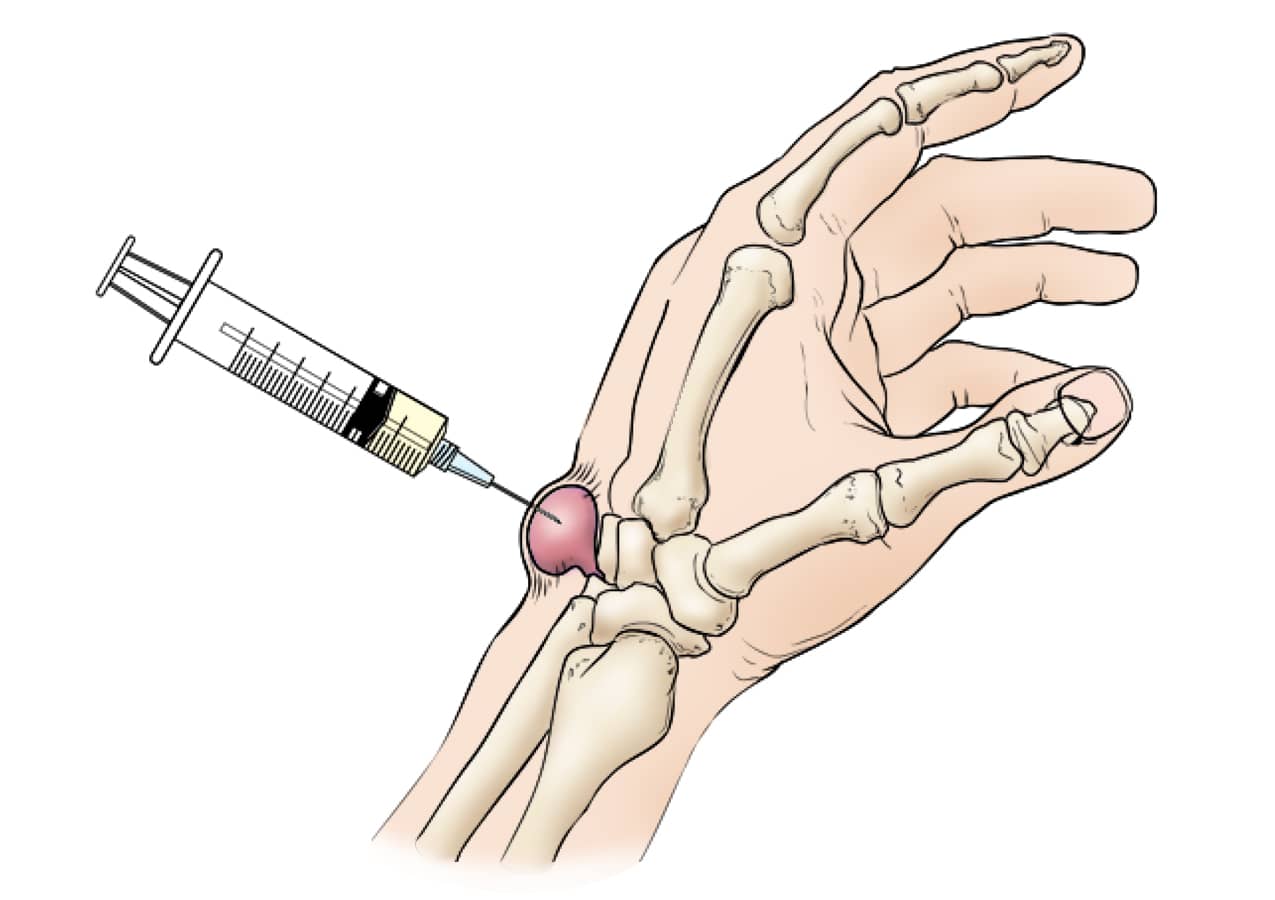
3. Aspiration
A needle is used to drain the fluid. However, recurrence is common because the cyst wall remains.
4. Surgical Removal
Reserved for persistent or painful cases. Surgery removes both the cyst and the connection to the joint capsule.
Recurrence rates decrease significantly after proper surgical excision.

What NOT to Do
Older advice sometimes suggested hitting the cyst with a heavy object to rupture it. This is unsafe and strongly discouraged.
Risks include:
-
Tissue damage
-
Infection
-
Fracture
-
Nerve injury
Modern medical practice does not recommend this method.
Prevention: Small Daily Adjustments Matter
Since repetitive strain contributes significantly, small ergonomic changes can reduce risk.
Practical adjustments:
-
Maintain neutral wrist position while typing
-
Use ergonomic keyboards and mouse pads
-
Take 5-minute breaks every hour
-
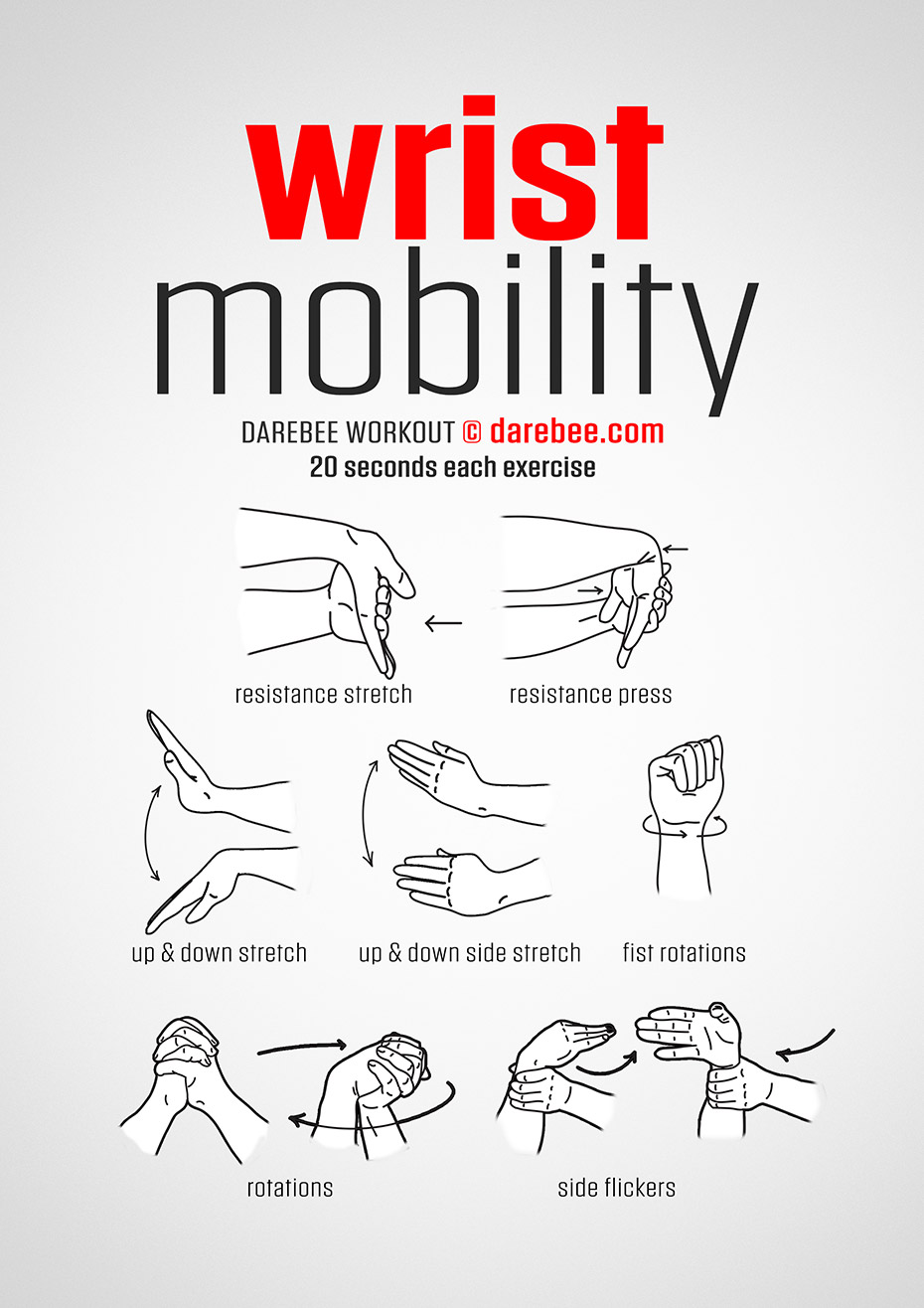
Stretch wrist flexors and extensors
-
Avoid excessive weight-bearing on wrists
Consistent micro-adjustments protect joint health long term.


Could It Be Something Else?
While ganglion cysts are most common, other possibilities include:
-
Lipoma (fatty tumor)
-
Bone spur
-
Rheumatoid nodule
-
Tendon sheath tumor
This is why medical evaluation is important if uncertainty exists.
Psychological Impact
Even benign lumps can cause anxiety. Seeing a visible change on the body triggers concern — especially with online misinformation circulating widely.
Understanding that most wrist cysts are non-threatening helps reduce unnecessary fear.
Knowledge replaces panic.
The Bottom Line
A small lump on the wrist often connects to everyday repetitive motion — something done without thinking.
In many cases:
-
It’s benign
-
It’s manageable
-
It may resolve naturally
But ignoring persistent pain or functional limitation is not wise.
Listen to the body. Small signs often reflect cumulative stress.
If something feels different, growing, or uncomfortable, evaluation provides clarity and peace of mind.
Health isn’t about panic — it’s about informed awareness.
And sometimes, that tiny bump is simply the body’s reminder to slow down.