Numbness in 3 Body Areas: When It Could Signal a Serious Blood Vessel Problem
A sudden wave of numbness. A tingling sensation that doesn’t go away. A strange loss of feeling in part of the body.
Many people dismiss these symptoms as temporary nerve irritation, poor posture, or simple fatigue. But in some cases — especially in adults over 50 — numbness in specific areas can indicate a vascular emergency, including stroke or critical blood flow obstruction.
The image shows a person collapsed on the ground and highlights numbness as a warning sign. While not every episode of numbness is dangerous, certain patterns demand immediate attention.
This article explains which three body areas matter most, why they matter, and when urgent action is necessary.
1. Face — Especially One Side
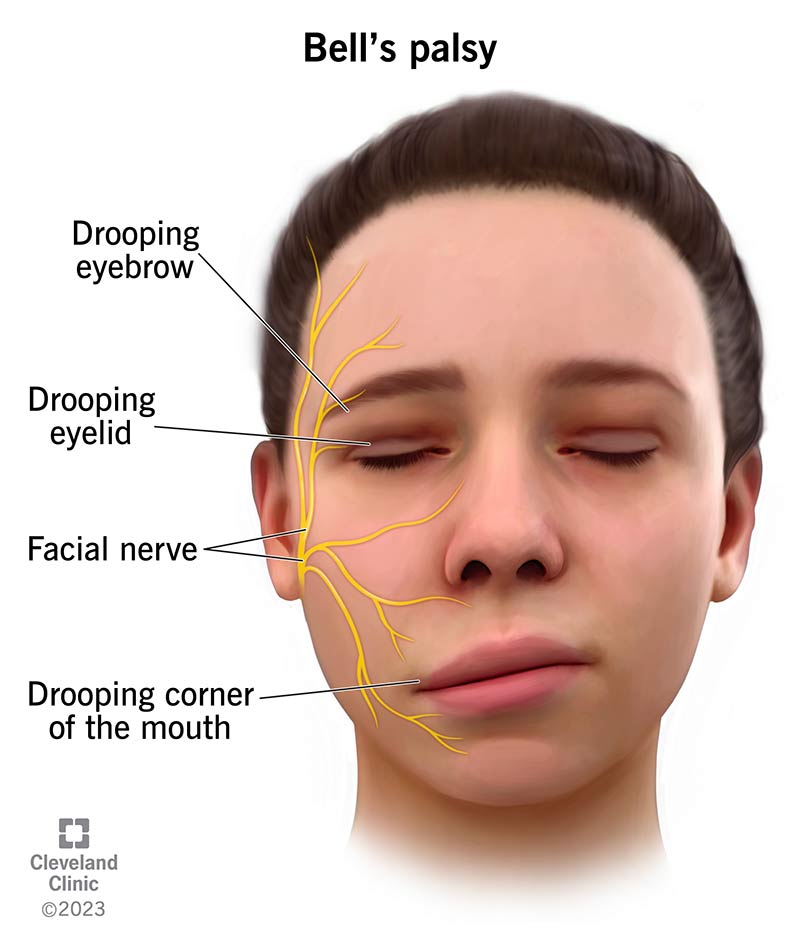
Sudden numbness or weakness affecting one side of the face is one of the classic warning signs of stroke.
Key signs include:
-
Drooping of one side of the mouth
-
Difficulty smiling evenly
-
Numbness or loss of sensation on one side
-
Slurred speech
This occurs when blood flow to parts of the brain controlling facial muscles becomes blocked.
A stroke is usually caused by:
-
A blood clot obstructing an artery (ischemic stroke)
-
A ruptured blood vessel (hemorrhagic stroke)
Brain tissue begins to suffer damage within minutes without oxygen.

2. Arm — Sudden Weakness or Numbness
If one arm suddenly feels numb, weak, or difficult to lift, this may also indicate stroke or reduced blood supply.
A common test used by medical professionals:
Ask the person to raise both arms.
If one arm drifts downward or cannot stay elevated, this is concerning.
Reduced blood flow to specific brain regions affects motor control pathways.
Numbness may feel like:
-
Pins and needles
-
Heavy sensation
-
Loss of coordination
When this occurs alongside facial changes or speech difficulty, emergency services should be contacted immediately.
3. Leg — Loss of Sensation or Control
Sudden numbness or weakness in one leg can also signal neurological or vascular compromise.
Possible causes include:
-
Stroke
-
Spinal cord blood supply issues
-
Severe arterial blockage in the limb
If accompanied by:
-
Difficulty walking
-
Sudden imbalance
-
Loss of coordination
Immediate medical evaluation is critical.


Why Adults Over 50 Should Be Particularly Alert
Age increases risk due to:
-
Atherosclerosis (plaque buildup in arteries)
-
High blood pressure
-
Diabetes
-
Elevated cholesterol
-
Atrial fibrillation
-
Smoking history
Blood vessels become less flexible over time. Plaque accumulation narrows arteries, increasing the chance of clot formation.
Even individuals who feel generally healthy may have silent vascular disease.
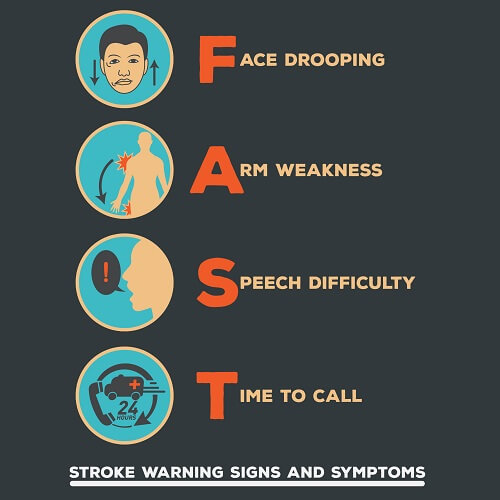
The FAST Rule — A Critical Tool
Healthcare professionals use a simple acronym:
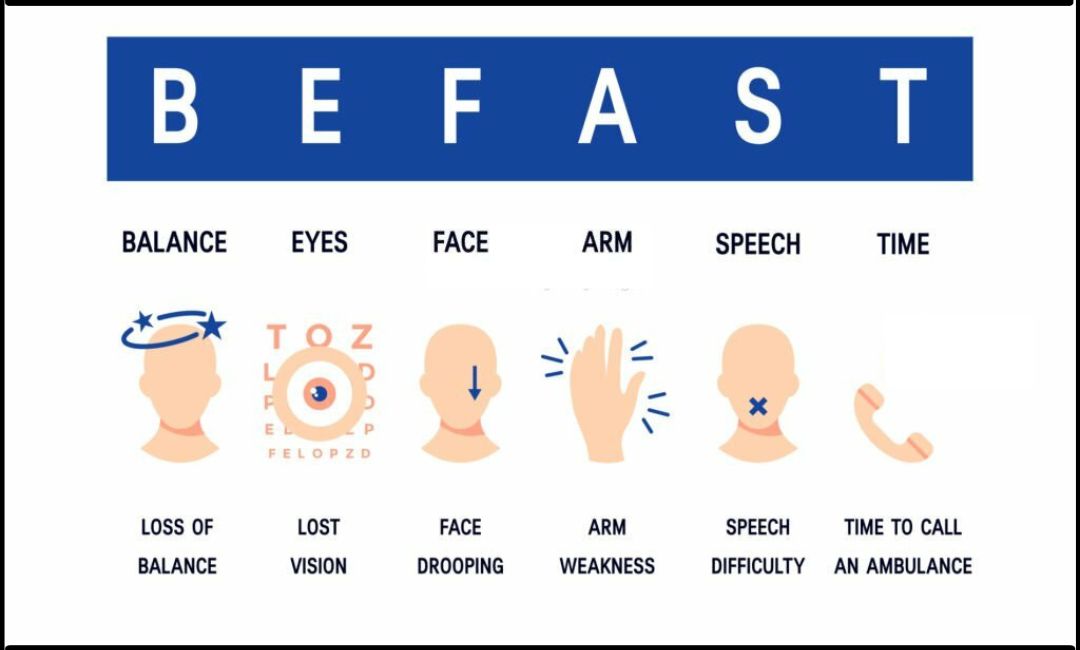
F – Face drooping
A – Arm weakness
S – Speech difficulty
T – Time to call emergency services
If any of these are present, act immediately.
Every minute counts.
Brain cells deprived of oxygen begin dying within minutes. Rapid treatment significantly improves outcomes.


When Numbness Is Less Concerning
Not all numbness signals vascular blockage.
Common benign causes include:
-
Nerve compression (e.g., sleeping on arm)
-
Peripheral neuropathy
-
Carpal tunnel syndrome
-
Anxiety-induced tingling
-
Vitamin deficiencies
The difference lies in pattern and timing.
Concerning features:
-
Sudden onset
-
One-sided symptoms
-
Associated speech or vision changes
-
Severe headache
-
Confusion
Non-urgent numbness typically:
-
Develops gradually
-
Affects both sides
-
Improves with movement or position change
Other Warning Signs of Dangerous Blood Vessel Blockage
In addition to numbness, watch for:
-
Sudden severe headache
-
Blurred or double vision
-
Loss of balance
-
Chest pain
-
Shortness of breath
These may signal:
-
Stroke
-
Heart attack
-
Pulmonary embolism
All require emergency evaluation.
Prevention Strategies
Reducing vascular risk involves long-term habits:
-
Maintain blood pressure under control
-
Monitor cholesterol levels
-
Manage blood sugar
-
Avoid smoking
-
Exercise regularly
-
Maintain healthy body weight
-
Eat a heart-healthy diet rich in vegetables, fiber, and lean protein
Routine medical check-ups detect silent risks early.
The Bottom Line
Numbness in the face, arm, or leg — especially when sudden and one-sided — is not something to ignore.
While many episodes are harmless, some signal life-threatening vascular events.
Acting quickly can mean the difference between full recovery and permanent disability.
If symptoms appear suddenly:
Do not wait.
Do not self-diagnose.
Seek emergency care immediately.
Staying alert is not about fear — it’s about awareness.