Our blended family felt like a competition until we faced a challenge together
Our blended family felt like a competition until we faced a challenge together
Story 19/02/2026 10:32
The gymnasium of Lincoln Elementary was a sea of folding chairs, the smell of floor wax, and the nervous energy of a hundred fifth-graders. I sat in the third row, my hands folded tightly in my lap, feeling a familiar, cold knot of anxiety tightening in my chest. Tonight was the Spring Recital, the culmination of months of squeaky violin practice and whispered lines for my daughter, Lily. But for me, the performance on stage was only half the worry.
The real drama was the seating chart.
To my left sat David, my husband of three years. David was the man who had helped me rebuild a life from the wreckage of a failed marriage. He was the one who checked the tires on my car, who helped Lily with her long division, and who held my hand through the long, quiet nights of my own insecurity. He was steady, kind, and immensely patient.
To my right, three chairs down, was a gap that felt like a canyon. And then there was Sam.
Sam was my ex-husband, the father of my children, and the man with whom I had shared ten years of history—half of it beautiful, and the other half a slow, painful dissolution. Our divorce hadn't been a loud explosion; it had been a steady erosion of trust and shared dreams. For years after the split, our communication was a series of clipped text messages and guarded handovers in parking lots. We were two people who had once promised to grow old together, now reduced to a logistics team managing a shared schedule.
Whenever David and Sam were in the same room, the atmosphere became heavy, like the air before a summer storm. There was no outward hostility—they were both mature men who loved Lily—but there was a profound, vibrating awkwardness. It was a clash of two worlds: the man who used to be my home, and the man who was my home now.
I looked at David, who was scrolling through his phone, his jaw set in that way it gets when he’s trying to appear casual. Then I looked at Sam, who was staring intently at the empty stage, tapping his foot in a rhythm that betrayed his own nerves. I felt like the conductor of an orchestra where the strings and the brass refused to play in the same key. I worried that Lily would look out from the stage and see not a united front of support, but a fractured puzzle of adults who couldn't find a way to fit together.
The recital began with the usual flurry of nervous children. When Lily finally walked out, clutching her violin, I felt a rush of pride that temporarily pushed the anxiety aside. She looked so small under the bright stage lights, her eyes searching the crowd.
When she found us, her face transformed. She didn't just see me; she saw David waving a small, encouraging hand, and she saw Sam leaning forward, a wide, unmistakable grin on his face. For a heartbeat, she was just a girl loved by the three most important adults in her life.
The performance was beautiful—mostly because of the effort, not necessarily the pitch—but the real shift happened during the intermission.
The school had organized a small "social" in the cafeteria, and the crowd began to migrate toward the tables of lemon squares and lukewarm coffee. I stayed behind for a moment to gather our coats, watching David and Sam walk toward the exit. My heart hammered against my ribs. Please don't let it be weird, I prayed. Please let them just be polite.
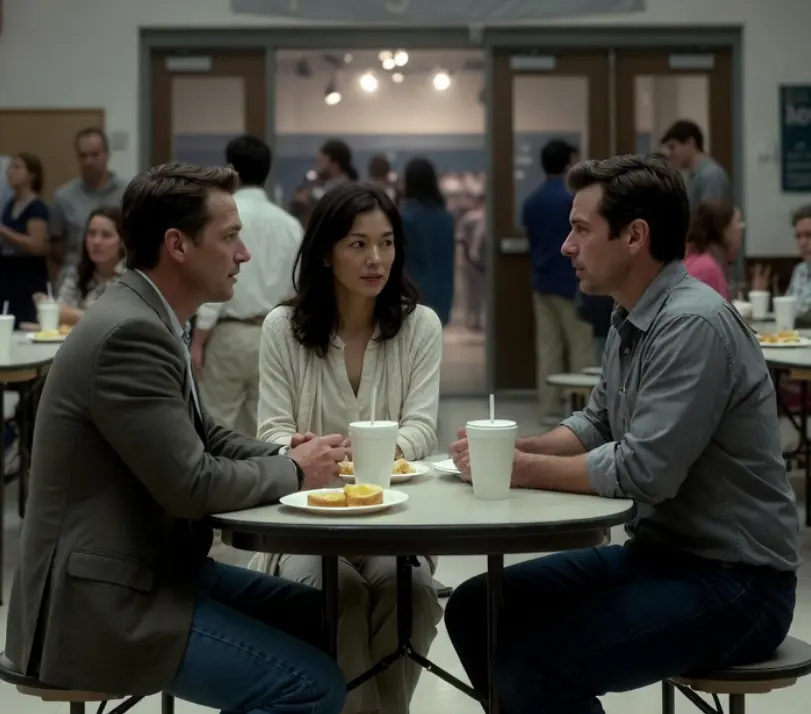
I caught up to them near a circular table in the corner of the cafeteria. To my absolute shock, they weren't standing on opposite sides of the room. They were sitting down. Together.
I approached tentatively, like a hiker coming across a rare and fragile animal in the wild.
"She was great, wasn't she?" Sam said, looking up as I arrived. His voice was warm, stripped of the defensive edge it usually carried when David was around.
"She really was," David agreed, nodding. "The way she handled that solo in the middle... she’s been practicing that for weeks in her room. I could hear her through the vents."
Sam looked at David, a flicker of something—gratitude, perhaps—crossing his face. "Thanks for helping her with that, David. I know she can be stubborn about the repetitions."
"It’s no trouble," David replied, his posture relaxing for the first time all evening. "She’s a hard worker. She gets that from her mom."
I sat down between them, the "canyon" of the three empty chairs finally closed. The conversation that followed wasn't a deep, soul-searching confessional, but it was the most honest exchange they had ever had. They talked about Lily’s upcoming soccer season, the difficulty of fifth-grade social circles, and the shared realization that our daughter was growing up much faster than any of us were ready for.
Old hurts and insecurities—the feeling that Sam was being replaced, or the feeling that David was an interloper—seemed to dissolve in the shared light of their love for Lily. They weren't competing for the title of "Best Father"; they were cooperating in the project of "Best Life for Lily."
The small, pivotal gesture happened when the principal announced that the second half of the program was starting. As we stood up to head back to the gym, Sam reached out and touched David’s arm.
"Hey, David," Sam said, his voice quiet but steady. "I know it hasn't always been easy, having me in the picture. But I see how you are with her. I see how much she trusts you. I just wanted to say... thank you for being a good man to my daughter."
David went still for a second, then he reached out and shook Sam’s hand. It wasn't a formal, stiff handshake. It was a firm, lingering grip—a silent pact between two men who had decided that their child’s peace was more important than their own pride.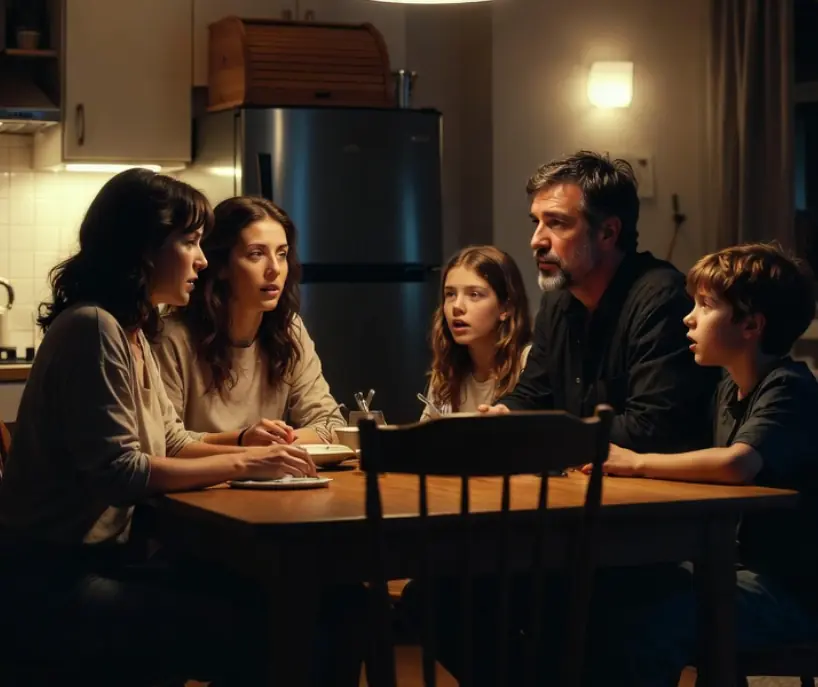
"She’s a great kid, Sam," David said. "We’re both lucky."
I felt a sudden, overwhelming sense of relief wash over me, a warmth that started in my chest and radiated outward. The tension that had defined my life for three years simply evaporated. I realized that mature love isn't about erasing the past; it’s about integrating it into a stronger, more resilient future.
When we returned to the gym, we didn't sit with a gap between us. We sat in a row—me, David, and Sam. When Lily came out for the final bow, she saw us sitting together, three adults who had found a way to bridge the divide. The look on her face wasn't one of relief—because she shouldn't have to feel relieved by her parents' behavior—it was a look of pure, uncomplicated stability. She knew she was safe. She knew she was home, no matter which house she was in.
The recital ended, and as we walked out into the cool spring night, the three of us stood in the parking lot for a moment. We made plans for the weekend, coordinated the Saturday morning soccer drop-off, and shared a final laugh about the kid who had played the triangle with a bit too much enthusiasm.
As Sam walked to his car and David put his arm around my shoulder, I realized that we had given Lily the greatest gift possible: a world where her parents’ history didn't dictate her future happiness. We had shown her that love can change form, but its responsibility remains constant.
I am a woman who used to worry about the seating chart. But now, I realize that the table is big enough for everyone. I’ve learned that co-parenting isn't just about sharing a schedule; it’s about sharing the weight of a child’s world so they never have to feel the cracks in the foundation.
We are a modern American family—blended, complicated, and occasionally messy. But as I look at the two men in my life, I realize that we aren't a collection of separate parts anymore. We are a team. And for the first time in a long time, the silence isn't a wall. It’s a peaceful, shared understanding that everything is going to be okay.
Lily is sleeping soundly now, her violin tucked safely in its case. And as I sit in the quiet of my living room, I realize that the best performance of the night didn't happen on the stage. It happened at a small, circular table in a school cafeteria, where two men decided that being a father was more important than being a rival.
Our blended family felt like a competition until we faced a challenge together

I was convinced my son in law did not respect me until i understood his silence
When Our Parents Remarried I Thought I Lost My Place In The Family Until I Found A Brother Instead
Growing up with a half sister i barely knew taught me what family really means
My father in law never thought I was good enough until the day we were stranded together
Living with my in laws felt impossible until we learned to become a real family
My father in law was always quiet around me until I discovered the reason
I thought my mother in law would never accept me until the day she stood up for me

He Ordered in German to Humiliate the Waitress—But She Spoke Seven Languages
My Husband Started Taking Our Dog on Three-Hour “Walks” Every Night—Until I Checked Daisy’s GPS Colla
I Let Them Think I Was a Freeloader—Until Thanksgiving Changed Everything
Twelve Julys of “The Islands”—And the Phone Call That Changed Everything
A millionaire’s unexpected discovery: how love, truth, and a child’s laughter changed everything
A Bouquet After Goodbye: My Grandfather’s Last Message
A Warm Meal That Changed Everything


Lym.phoma: The Early Clues Many People Failed to Recognize in Time

Lym.phoma: Early Symptoms Survivors Say They Overlooked Before Diagnosis
Toothpaste and Salt Combined: Unexpected Benefits You Can Use at Home

5 Everyday Habits That Naturally Help Regulate Blo.od Sugar in Diabetes
Our blended family felt like a competition until we faced a challenge together
I was convinced my son in law did not respect me until i understood his silence
When Our Parents Remarried I Thought I Lost My Place In The Family Until I Found A Brother Instead
Growing up with a half sister i barely knew taught me what family really means
My father in law never thought I was good enough until the day we were stranded together
Living with my in laws felt impossible until we learned to become a real family
My father in law was always quiet around me until I discovered the reason
I thought my mother in law would never accept me until the day she stood up for me
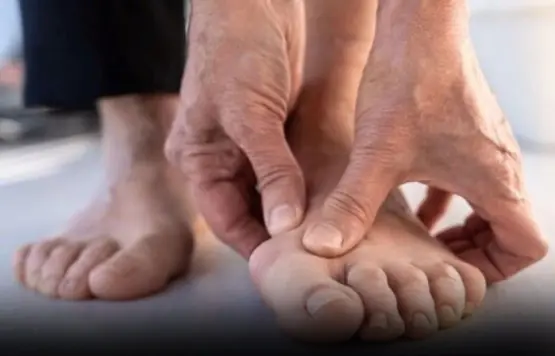
Diabetic neuropathy complications are one of the most common chronic complications of diabetes and also a major cause of diabetic foot disease.
Bathing is a habit that helps clean the body and relax, but we should not always bathe immediately.
The Myth About Fruits Feeding Cancer Cells: A Critical Look at the Claims

Some unhealthy habits during intimacy may be a hidden cause of cervical cancer in women.
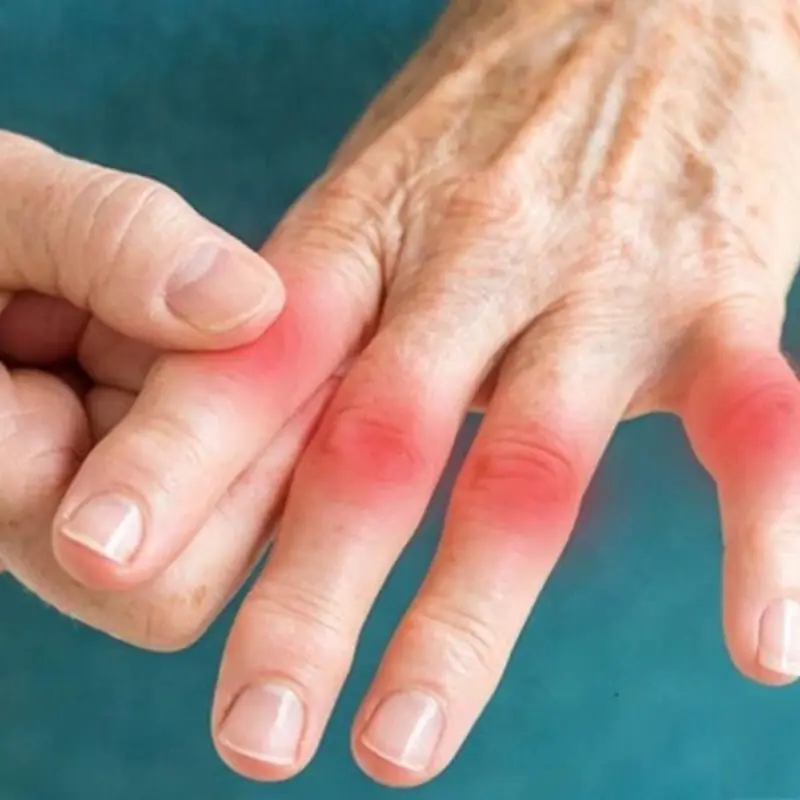
A hidden disease may grow silently — and one habit worsens it.
Garlic has long become an indispensable spice in the family kitchen.
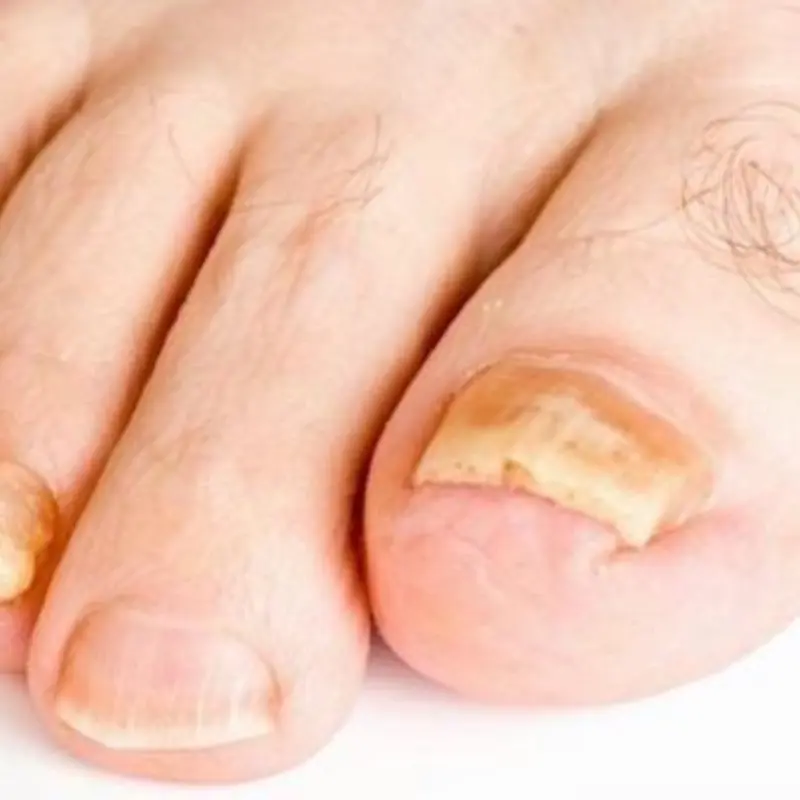
Two small changes in your feet may reveal serious hidden health risks.