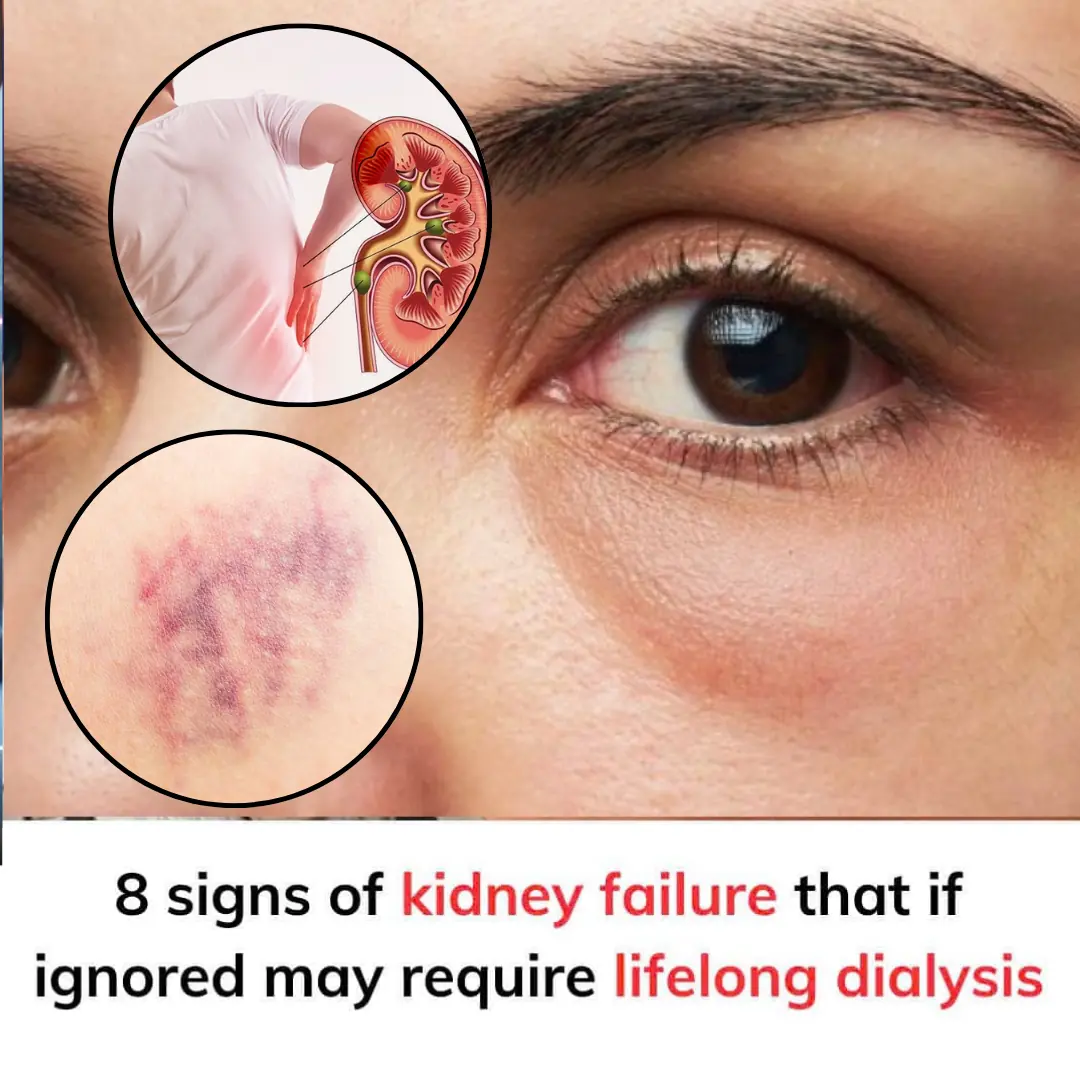
8 Signs of Kidney Failure That Should Not Be Ignored
Here are eight warning signs of kidney failure that require medical attention.
1. Swelling (Edema) in Legs, Ankles, or Face 🦵😷
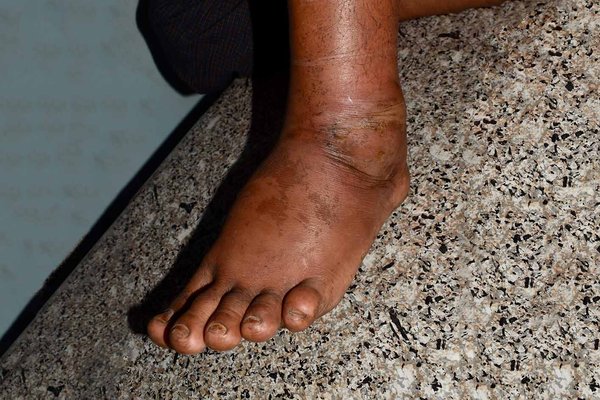
When kidneys fail, they cannot remove excess fluids, leading to water retention and swelling, especially in the feet, ankles, hands, or face.
Signs to Watch For:
- Puffy eyes and face, especially in the morning.
- Swollen feet or ankles that worsen throughout the day.
- Sudden weight gain due to fluid buildup.
Why It Matters:
Edema can indicate declining kidney function and an inability to regulate fluids properly.
2. Changes in Urination 🚽💧

Since the kidneys control urine production, any noticeable changes in urination patterns could be a red flag.
Signs to Watch For:
- Frequent urination (especially at night) 🚨.
- Foamy or bubbly urine (indicating protein leakage).
- Dark, bloody, or cloudy urine.
- Sudden decrease in urine output.
Why It Matters:
Changes in urine color, frequency, or consistency often point to kidney dysfunction or damage.
3. Persistent Fatigue & Weakness 😴
When kidney function declines, toxic waste builds up in the bloodstream, causing severe fatigue.
Signs to Watch For:
- Constant tiredness, even after resting.
- Difficulty concentrating or mental fog.
- Shortness of breath, as kidneys help produce red blood cells.
Why It Matters:
Fatigue can indicate toxin buildup (uremia) or anemia caused by kidney failure.
4. High Blood Pressure (Hypertension) That’s Hard to Control 🩺⚠️
The kidneys help regulate blood pressure, so kidney problems often cause high blood pressure that doesn’t improve with medication.
Signs to Watch For:
- Sudden spikes in blood pressure 📈.
- Headaches, dizziness, or vision problems.
- Increased risk of heart problems.
Why It Matters:
Uncontrolled high blood pressure can damage the kidneys further, creating a dangerous cycle.
5. Skin Itching & Rashes 🛑
When kidneys fail, waste products build up in the blood, leading to skin irritation, dryness, and persistent itching.
Signs to Watch For:
- Severe itching that doesn’t improve with lotions.
- Dry, flaky, or cracked skin.
- Dark or discolored patches on the skin.
Why It Matters:
Toxin buildup in the bloodstream can make the skin more sensitive, leading to itching and discomfort.
6. Nausea, Vomiting, and Loss of Appetite 🤢🍽️
Kidney failure disrupts digestion and leads to the buildup of toxins in the stomach.
Signs to Watch For:
- Feeling nauseous after eating.
- Frequent vomiting or stomach pain.
- Loss of appetite leading to unintended weight loss.
Why It Matters:
Loss of appetite and nausea may indicate advanced kidney disease (uremia).
7. Breathlessness & Metallic Taste in the Mouth 👃🦷
When kidneys can’t remove toxins properly, waste builds up in the blood, leading to bad breath and breathing difficulties.
Signs to Watch For:
- Shortness of breath, especially when lying down.
- Ammonia-like or metallic taste in the mouth.
- Food tasting different or unpleasant.
Why It Matters:
Toxin buildup affects lung function and alters the sense of taste.
8. Unexplained Bruising or Bleeding 🩸
Kidney disease affects blood clotting, leading to easy bruising or prolonged bleeding.
Signs to Watch For:
- Unexplained bruises on the arms, legs, or torso.
- Gums bleeding easily while brushing teeth.
- Nosebleeds that last longer than usual.
Why It Matters:
A lack of proper kidney function can lead to blood disorders and increased bleeding risks.
When to See a Doctor?
If you notice two or more of these symptoms, consult a doctor for a kidney function test (creatinine, BUN, and GFR tests).
Early intervention can prevent kidney failure! 🚨
✅ Maintain a healthy blood pressure and control blood sugar levels.
✅ Drink plenty of water and reduce salt intake.
✅ Avoid overuse of painkillers (NSAIDs), as they harm the kidneys.
✅ Get regular kidney function tests if you have diabetes, hypertension, or a family history of kidney disease.
Final Thoughts
Your kidneys are vital organs that work 24/7 to filter toxins and keep your body healthy. Ignoring early warning signs of kidney failure can lead to severe complications, including the need for lifelong dialysis or a kidney transplant.
Take action today—protect your kidneys for a healthier future!