Warning About Parasites in Food: What’s Real, What’s Exaggerated, and How to Stay Safe
Headlines claiming that certain foods are “so full of parasites that even boiling can’t kill them” are designed to alarm. The reality is more nuanced.
Most foodborne parasites are destroyed by proper cooking. The real risk usually comes from:
-
Undercooked food
-
Raw consumption
-
Cross-contamination
-
Poor hygiene
Let’s examine four commonly discussed foods that can carry parasites — and what science actually says about safety.
1️⃣ Freshwater Snails and Shellfish
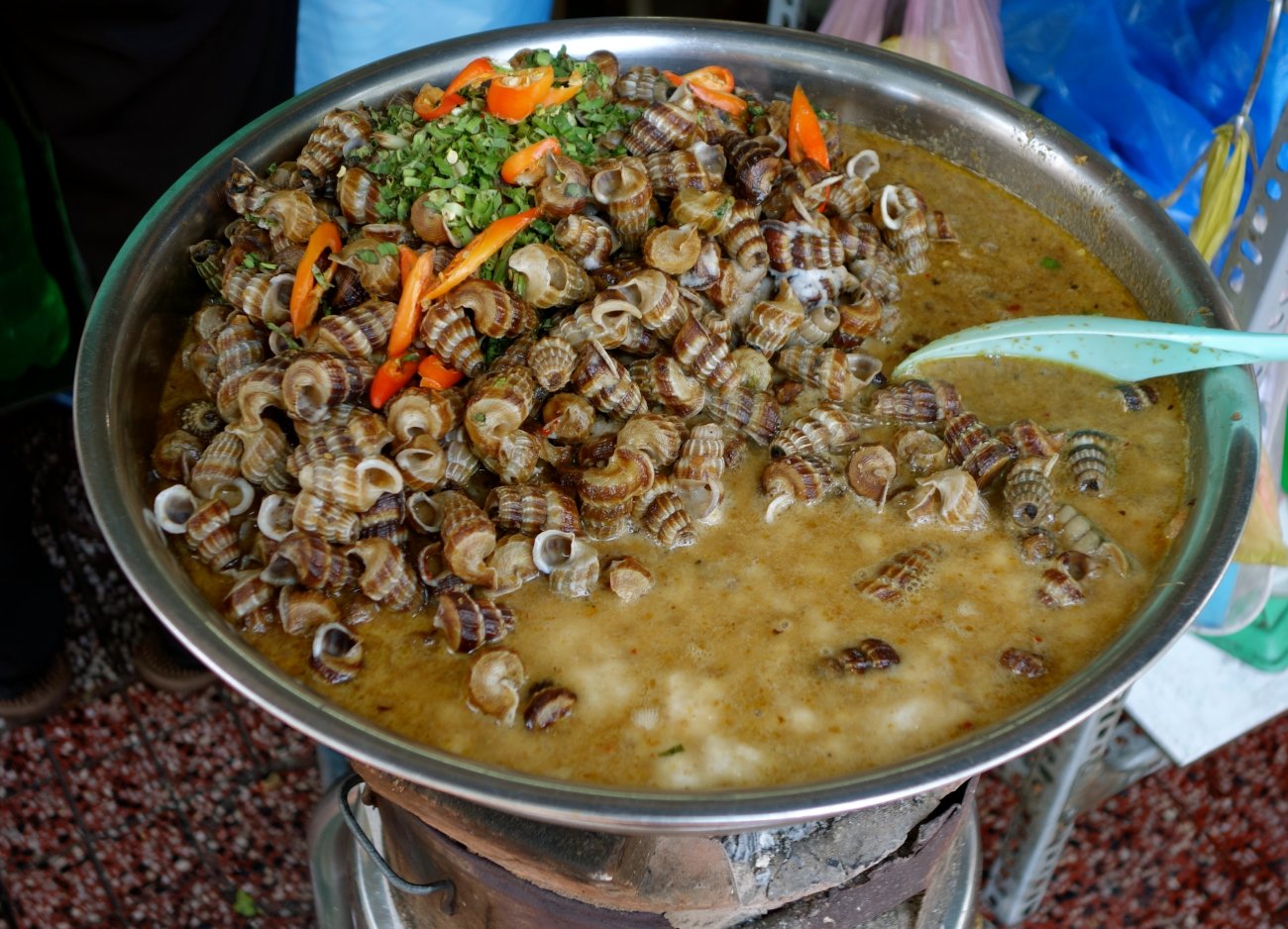
The image shows snails, which in some regions are consumed as a delicacy.
Potential risk:
Certain freshwater snails can carry parasites such as Angiostrongylus cantonensis (rat lungworm) or liver flukes in endemic areas.
Transmission usually occurs when:
-
Snails are eaten raw or undercooked
-
Slime contaminates other foods
Important clarification:
Proper cooking to adequate internal temperatures destroys these parasites. Boiling at appropriate duration is effective when done correctly.
Risk increases when:
-
Snails are lightly blanched
-
Food preparation hygiene is poor

2️⃣ Raw or Undercooked Pork
Pork may carry parasites such as:
-
Trichinella spiralis
-
Tapeworm larvae
Modern meat inspection has significantly reduced risk in many countries.
Parasites are destroyed when pork reaches safe internal temperatures (typically 63–71°C depending on cut and resting time).
Freezing also kills many parasitic larvae.
3️⃣ Raw Freshwater Fish
Certain parasites (like liver flukes or tapeworm larvae) can be present in freshwater fish.
Risk increases with:
-
Raw fish consumption
-
Traditional dishes using raw freshwater fish
Commercial sushi-grade fish undergo freezing protocols specifically designed to eliminate parasites.
Proper cooking effectively neutralizes parasitic organisms.


4️⃣ Leafy Greens Contaminated by Soil
Parasites such as Giardia or Toxoplasma can contaminate vegetables through soil or water.
Risk increases when:
-
Produce is not washed thoroughly
-
Irrigation water is contaminated
-
Hygiene during harvesting is poor
Unlike meat parasites, these are typically removed through:
-
Thorough washing
-
Proper sanitation
-
Peeling when appropriate
Boiling is not always required for vegetables — washing is the key preventive step.
Can Boiling Kill Parasites?
For most common foodborne parasites:
Yes — adequate heat kills them.
Key factors:
-
Temperature reached
-
Duration of cooking
-
Even heat distribution
Claims that “boiling cannot kill parasites” are usually misleading. In rare cases, certain parasite eggs are more resistant, but standard cooking guidelines are designed to eliminate risk.
Improper cooking — not boiling itself — is usually the issue.
Why These Headlines Spread
Fear-based food headlines spread quickly because:
-
Parasites trigger strong psychological reactions
-
Visual imagery (worms) amplifies alarm
-
Nuanced science is less emotionally compelling
But modern food safety systems significantly reduce parasite risk in many regions.
Practical Food Safety Guidelines
To reduce risk:
-
Cook meat to recommended internal temperatures
-
Avoid raw freshwater fish unless properly processed
-
Wash produce thoroughly
-
Prevent cross-contamination in kitchens
-
Use clean water sources
-
Freeze fish intended for raw consumption according to safety standards
Most foodborne parasitic infections are preventable.
When to Seek Medical Attention
Symptoms of parasitic infection may include:
-
Persistent abdominal pain
-
Diarrhea
-
Unexplained weight loss
-
Fever
-
Neurological symptoms (rare cases)
If symptoms occur after consuming undercooked food, medical evaluation is advised.
Balanced Conclusion
Certain foods can carry parasites, especially when raw or improperly handled. However, proper cooking and hygiene practices are highly effective at eliminating risk.
The claim that boiling cannot kill parasites is largely inaccurate when standard food safety protocols are followed.
Evidence-based precautions — not fear — are the safest approach to protecting health.