Top 4 Longevity Foods Commonly Linked to Long Life in China — And Why They Matter
Headlines love ranking “longevity foods,” but long life is never caused by one magical ingredient. In regions of China known for high numbers of centenarians, longevity is linked to a combination of diet, physical activity, social structure, and lifestyle patterns.
Still, certain staple foods appear consistently in traditional dietary patterns associated with healthy aging.
Below are four foods frequently highlighted in discussions about longevity in China — including sweet potatoes, which often rank surprisingly high.
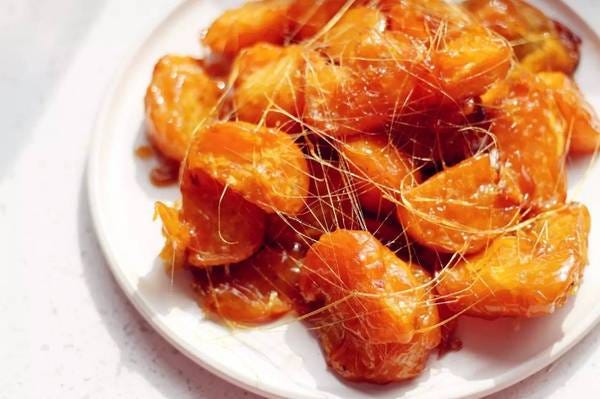
4️⃣ Sweet Potatoes — The Fiber-Rich Energy Source
Sweet potatoes have long been a traditional staple in rural Chinese diets, particularly in areas with limited access to refined grains.
Why they’re associated with longevity:
-
High in dietary fiber
-
Rich in beta-carotene (especially orange varieties)
-
Lower glycemic impact compared to refined carbohydrates
-
Contain antioxidants
Fiber supports:
-
Gut microbiome balance
-
Blood sugar stability
-
Cardiovascular health
Unlike refined grains, sweet potatoes provide sustained energy without rapid glucose spikes.


3️⃣ Whole Grains (Millet, Brown Rice, Barley)
Traditional Chinese diets historically relied heavily on whole grains rather than refined white flour products.
Common longevity-associated grains include:
-
Millet
-
Brown rice
-
Barley
-
Sorghum
These grains provide:
-
Complex carbohydrates
-
B vitamins
-
Magnesium
-
Plant-based protein
-
Insoluble fiber
Whole grains are consistently linked in research to:
-
Lower cardiovascular risk
-
Improved metabolic health
-
Reduced inflammation
2️⃣ Legumes (Soybeans, Mung Beans, Black Beans)
Legumes are a core component of many traditional Asian diets.
They provide:
-
Plant-based protein
-
Isoflavones (in soy)
-
Fiber
-
Iron and folate
Fermented soy products (such as tofu and tempeh) are particularly interesting because fermentation may enhance nutrient bioavailability.
High legume intake is linked in epidemiological studies to reduced risk of heart disease and improved metabolic markers.


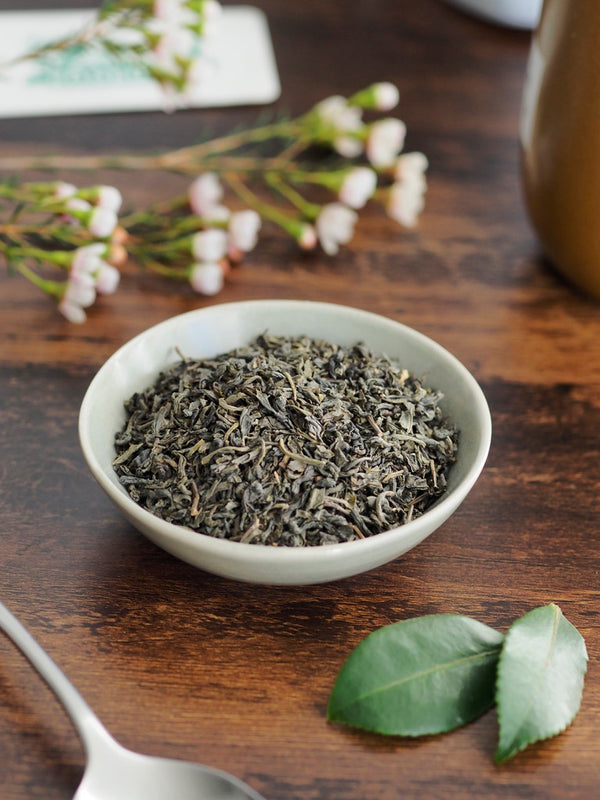
1️⃣ Green Tea — The Unexpected Leader
Many longevity discussions highlight green tea as one of the most consistent daily habits among older populations in China.
Green tea contains:
-
Catechins (especially EGCG)
-
Polyphenols
-
Mild caffeine
Research suggests green tea may support:
-
Cardiovascular health
-
Anti-inflammatory processes
-
Oxidative stress reduction
-
Metabolic function
It is not a cure-all — but regular moderate intake is consistently associated with favorable health markers.


Why These Foods Appear in Longevity Regions
The common pattern is not “superfood magic.”
It’s dietary structure:
-
High fiber
-
High plant diversity
-
Moderate caloric intake
-
Low processed food consumption
-
Limited red and processed meat
-
Balanced macronutrients
These patterns support:
-
Stable blood glucose
-
Lower chronic inflammation
-
Cardiovascular resilience
-
Healthy gut microbiome
What Actually Drives Longevity
Research on long-living populations consistently highlights:
-
Physical activity (often through daily labor)
-
Social connection
-
Moderate caloric intake
-
Low smoking rates
-
Limited ultra-processed food
Diet is one piece of a much larger system.
Important Perspective
No single food guarantees long life.
Sweet potatoes, legumes, whole grains, and green tea contribute to an overall nutrient-dense dietary pattern. But longevity arises from decades of consistent habits — not short-term dietary changes.
Incorporating these foods into a balanced lifestyle can support metabolic health, but they are part of a broader health equation.
Longevity is cumulative — not instantaneous.
Sustainable patterns matter more than rankings.