Aloe vera is one of those plants that seems almost too useful to simply sit on a windowsill. For generations, people have kept aloe vera at home and used the clear gel inside its thick leaves for everything from soothing irritated skin to adding a refreshing touch to homemade beauty routines.
But there is an important distinction between using aloe vera gel properly and assuming that every part of the plant is safe or beneficial.
The clear inner gel is very different from the yellow latex found closer to the outer leaf. While topical aloe gel is commonly used for skin care, consuming aloe products requires considerably more caution. Raw aloe leaves can also contain compounds that may cause unpleasant or potentially harmful effects when taken by mouth.
So, if you have an aloe vera plant at home, what can you actually do with it?
Here are 10 practical uses worth knowing, along with important safety tips to help you use aloe vera more responsibly.
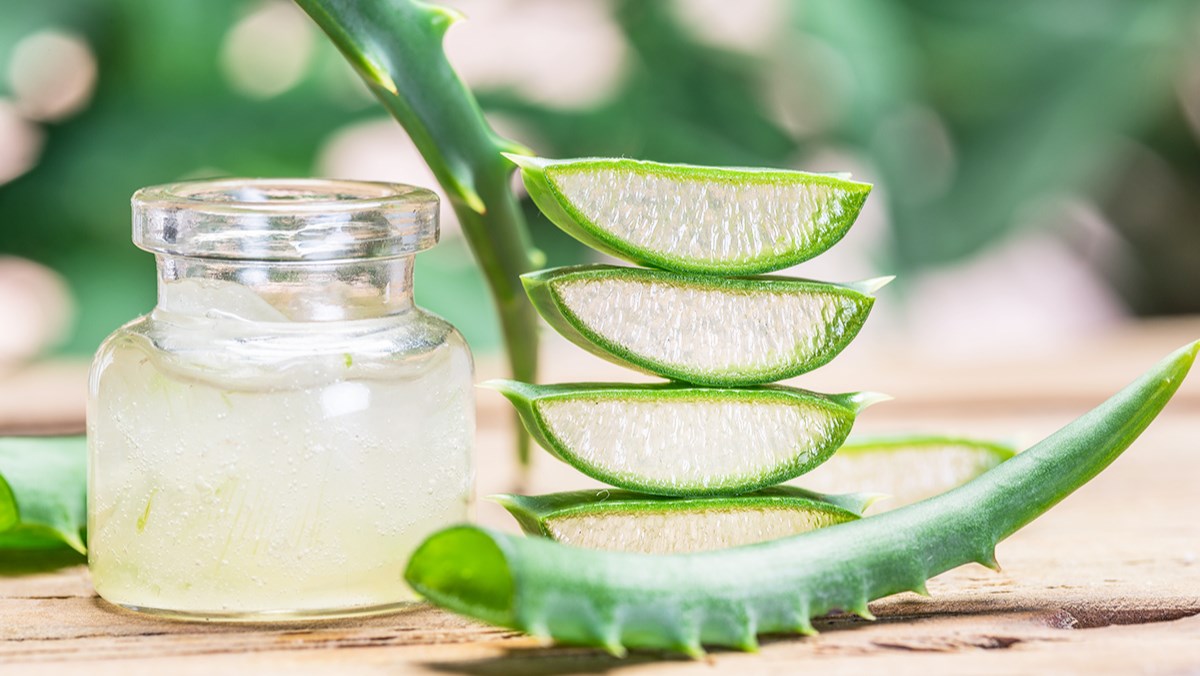
1. Use Aloe Vera Gel to Soothe Mildly Irritated Skin
One of the best-known uses of aloe vera is topical skin care.
The clear gel inside the leaf contains a high percentage of water along with various compounds that may have soothing and moisturizing properties. This is one reason aloe vera is commonly found in products designed for irritated or dry skin.
After minor environmental exposure, such as spending time outdoors, the cooling sensation of aloe gel can feel particularly pleasant.
However, aloe vera should not be viewed as a treatment for serious burns or significant skin injuries.
For a small area of mildly irritated, intact skin, you can apply a thin layer of clean aloe gel and allow it to absorb.
If you're using gel directly from a plant, make sure the yellow sap has been removed first.
A simple approach:
-
Cut a healthy aloe leaf.
-
Wash it thoroughly.
-
Allow the yellow latex to drain away.
-
Rinse the leaf again.
-
Remove the outer green skin.
-
Collect only the clear inner gel.
-
Apply a small amount to clean skin.
Always test a small area first, especially if you have sensitive skin.
2. Add It to a Simple Moisturizing Routine
Aloe vera gel can also be useful as a lightweight hydrating ingredient.
Because aloe gel contains a large amount of water, it can provide a temporary refreshing and moisturizing sensation without feeling as heavy as some oil-based products.
This can make it appealing for people who dislike thick creams, particularly during hot weather.
You can apply a small amount of pure, properly prepared aloe gel after cleansing.
However, aloe vera does not necessarily replace a complete moisturizer.
If your skin is very dry, a moisturizer containing ingredients that help reduce water loss—such as ceramides, glycerin, or other emollients—may be more effective.
Think of aloe as one component of a skin-care routine rather than a miracle moisturizer.
3. Use It After Spending Time Outdoors
After a long day outside, your skin may feel warm, tight, or uncomfortable.
Aloe vera gel can provide a cooling sensation that many people find soothing.
This is especially useful when your skin feels mildly irritated from environmental exposure.
But there is an important misconception to clear up:
Aloe vera is not sunscreen.
Applying aloe before going outside does not provide reliable protection from ultraviolet radiation.
If you're outdoors, sunscreen, protective clothing, shade, and limiting prolonged sun exposure remain much more important.
If a sunburn is severe, blistered, extensive, or accompanied by significant pain or other concerning symptoms, medical evaluation may be appropriate.
4. Use Aloe as a Simple After-Shaving Gel
Shaving can sometimes leave the skin feeling dry, tight, or irritated.
Aloe vera's lightweight texture makes it a popular ingredient in after-shave products.
A thin layer of pure aloe gel may help provide temporary hydration and a soothing sensation after shaving.
This can be particularly appealing for people who find heavily fragranced after-shave products irritating.
However, freshly shaved skin can be more sensitive.
If aloe causes burning, itching, redness, or a rash, wash it off and stop using it.