It cannot.
Aloe may soothe skin after sun exposure, but it does not provide dependable UV protection.
Use a broad-spectrum sunscreen and other sun-protection measures when appropriate.
Myth 4: Aloe Vera Can Cure Every Skin Problem
Aloe may have soothing and moisturizing properties, but skin conditions have different causes.
Acne, eczema, psoriasis, fungal infections, bacterial infections, allergic reactions, and skin cancer require very different approaches.
Aloe should not delay appropriate medical evaluation.
Who Should Be Careful With Aloe Vera?
Topical aloe is generally well tolerated by many people, but caution is still appropriate.
Be particularly careful with oral aloe products if you:
-
Are pregnant or breastfeeding
-
Have kidney disease
-
Take medications regularly
-
Have electrolyte problems
-
Have significant digestive symptoms
-
Take medications that affect blood sugar
-
Take medications that affect potassium or fluid balance
For topical use, avoid applying aloe to deep wounds, serious burns, infected areas, or significantly damaged skin unless a healthcare professional recommends it.
How to Make Aloe Part of a Simple Routine
You don't need ten different aloe products.
A straightforward routine might look like this:
Morning
Cleanse your skin gently.
Apply a light moisturizer if needed.
Use sunscreen when you're going outdoors.
Evening
Cleanse your skin.
Apply a thin layer of aloe gel if your skin tolerates it.
Follow with your normal moisturizer.
Occasionally
Use aloe on mildly irritated or dry areas of the body.
Apply a small amount after shaving.
Use it as a refreshing post-shower gel.
The key is consistency and moderation rather than applying large quantities or combining aloe with numerous DIY ingredients.
The Bottom Line
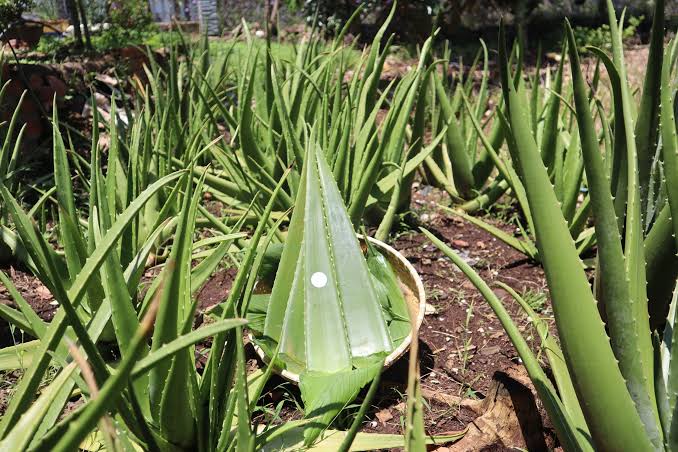
If you have an aloe vera plant at home, you may have a surprisingly versatile ingredient sitting on your windowsill.
The clear inner gel can be useful for soothing mildly irritated skin, adding lightweight hydration, refreshing dry areas, and supporting simple personal-care routines.
But aloe vera isn't a cure-all.
The plant's clear gel is different from its yellow latex, and consuming raw aloe or using concentrated oral products can carry risks. Homemade preparations also require careful handling because they can become contaminated or spoil.
Perhaps the most useful way to think about aloe vera is simple:
Use it as a gentle addition to your routine—not as a replacement for proven medical treatment.
And when it comes to homemade aloe, remember one rule above all others:
Clear inner gel for topical use is one thing. Eating the whole leaf is something entirely different.
If you have persistent skin problems, unexplained symptoms, or you're considering taking aloe orally for a health condition, it's worth getting professional advice rather than assuming a natural remedy is automatically safe.