10 Warning Signs That May Indicate Clogged Arteries
Clogged or narrowed arteries (often caused by a buildup of fatty deposits called plaque) can reduce blood flow throughout the body. Over time, this may increase the risk of serious cardiovascular problems. The challenge is that in the early stages, symptoms can be subtle or easily overlooked.
Here are 10 possible warning signs that may be associated with clogged arteries. These signs do not confirm a diagnosis, but they are worth paying attention to and discussing with a healthcare professional.
❤️ 1. Chest Discomfort or Pressure

A feeling of tightness, pressure, or pain in the chest—especially during physical activity—may indicate reduced blood flow to the heart.
😮💨 2. Shortness of Breath
If everyday activities leave you unusually out of breath, it could be a sign that your heart is not receiving enough oxygen-rich blood.
🦵 3. Leg Pain When Walking
Pain, cramping, or fatigue in the legs during movement that improves with rest may be linked to reduced circulation in the limbs.
🧠 4. Dizziness or Lightheadedness
Poor blood flow to the brain can sometimes cause episodes of dizziness, especially when standing up or being active.
💪 5. Unusual Fatigue
Feeling constantly tired, even after rest, may be a subtle sign that your body is not getting adequate circulation.
🖐️ 6. Cold Hands or Feet
Consistently cold extremities can suggest reduced blood flow to the outer parts of the body.
⚠️ 7. Slow Healing Wounds
Cuts or wounds that take longer than usual to heal may indicate poor circulation.
💓 8. Irregular Heartbeat or Palpitations
An uneven heartbeat or a sensation of fluttering in the chest may be associated with cardiovascular strain.
🧍 9. Numbness or Weakness
Numbness, tingling, or weakness—especially on one side of the body—can sometimes signal circulation issues and should be checked promptly.
🧪 10. High Blood Pressure
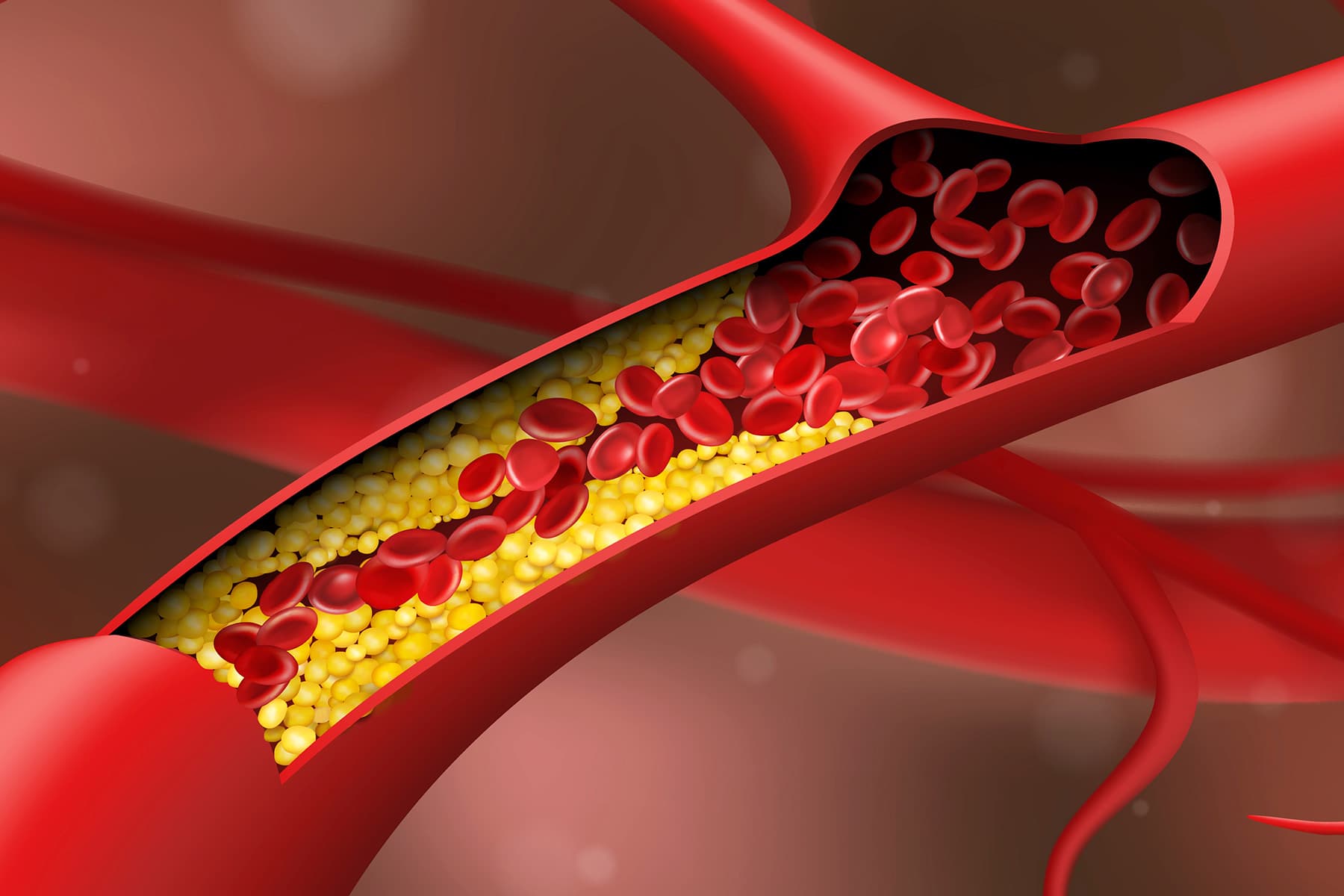
Persistently high blood pressure can damage arteries over time and is often linked with plaque buildup.
📝 Final Thoughts
Clogged arteries often develop gradually, and symptoms may not appear until the condition becomes more advanced. That’s why it’s important to pay attention to early warning signs and maintain regular health check-ups.
A healthy lifestyle—balanced diet, regular exercise, not smoking, and stress management—can play a key role in supporting artery health.
If you notice any of these symptoms consistently, it’s important to consult a healthcare professional for proper evaluation and guidance.