Finding a snake in your yard, garden, garage, or near your front door can be an unsettling experience. Even if the snake is harmless, its unexpected appearance may cause alarm, especially when children or pets are nearby. For homeowners, the natural reaction is to look for ways to discourage snakes from entering the property in the first place.
One popular suggestion is to use strong smells that snakes may find unpleasant. Garlic, cinnamon, peppermint, vinegar, and several other substances are frequently mentioned as natural snake deterrents. The idea is simple: create an environment that snakes are less likely to explore, without relying on traps or potentially dangerous chemicals.
But how effective are these scents in reality?
Snakes have a highly developed chemical-sensing system. They frequently flick their tongues to collect tiny particles from the air and surrounding surfaces, then transfer those particles to a specialized sensory organ in the roof of the mouth. This helps them gather information about prey, potential predators, mates, and their surroundings.
However, there is limited scientific evidence that household scents reliably repel snakes or prevent them from entering a property. A strong smell that humans find unpleasant does not necessarily discourage a snake, and different species may respond differently to the same substance.
That does not mean homeowners have no options. Certain scents can be explored as supplementary measures, provided they are used safely and without replacing proven prevention methods. The most reliable approach is to remove the conditions that attract snakes, seal potential entry points, and maintain a yard that offers fewer hiding places.
Here are 10 commonly discussed scents, what is known about them, and how to approach snake prevention more effectively.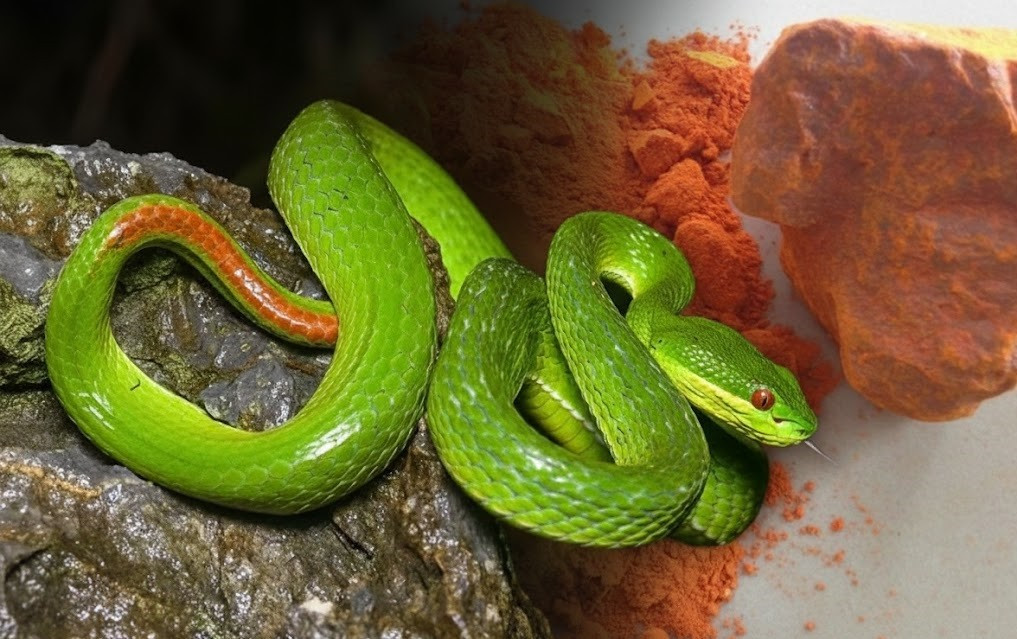
1. Garlic: A Strong-Smelling Ingredient Worth Understanding
Garlic is one of the most frequently mentioned natural remedies for keeping snakes away. Its strong aroma comes from sulfur-containing compounds released when the cloves are crushed or cut.
Some homeowners believe that spreading crushed garlic around garden beds, fences, or the perimeter of a house will make the area less attractive to snakes.
The theory is that the strong odor may interfere with the sensory information snakes collect from their surroundings. However, there is not enough reliable evidence to conclude that ordinary garlic reliably repels snakes in real-world residential settings.
Garlic also loses its smell over time, particularly when exposed to rain, sunlight, and outdoor air. A few cloves placed near a doorway are therefore unlikely to provide dependable protection.
How to approach garlic safely
If you want to experiment with garlic as a supplementary garden measure, avoid scattering large quantities where pets or wildlife may eat them. Garlic can be harmful to dogs and cats when ingested in sufficient amounts.
Do not rely on garlic to protect children, pets, or frequently used outdoor areas from snakes.
Instead, concentrate on removing dense weeds, keeping stored materials away from walls, and eliminating rodents that may attract snakes looking for food.
The key point: Garlic has a noticeable smell, but its effectiveness as a snake repellent has not been firmly established.
2. Cinnamon: A Fragrant Spice With Uncertain Results
Cinnamon is another substance often recommended in discussions about natural snake deterrents.
Its warm, distinctive aroma comes from compounds found in cinnamon bark, including cinnamaldehyde. Cinnamon oil is also used in fragrances, household products, and some pest-control formulations.
Because snakes rely on chemical cues to explore their environment, some people assume that a concentrated cinnamon smell will discourage them from approaching a property.
However, evidence supporting cinnamon as a reliable snake repellent remains limited. Results from experiments involving other animals or insect pests cannot automatically be applied to snakes.
Sprinkling cinnamon powder around a yard may also be impractical. Wind and rain can quickly disperse it, while repeated application can become inconvenient.
Should you use cinnamon around your property?
Cinnamon can be used as a household spice, but it should not be treated as a proven method of snake control.
Avoid applying concentrated cinnamon essential oil directly to animals, children's skin, or areas where pets may lick it. Essential oils can cause irritation or other adverse effects depending on the substance, concentration, and exposure.
If snakes regularly appear near your home, you will generally achieve more dependable results by addressing their access routes, hiding places, and food sources.
3. Peppermint: Popular for Household Pest Control
Peppermint has a powerful, refreshing smell that many people associate with natural pest control.
Peppermint oil contains menthol and other aromatic compounds. It is often promoted as a way to discourage insects and rodents, leading some homeowners to believe it may also keep snakes away.
The problem is that a substance effective against one type of pest is not necessarily effective against another.
There is insufficient evidence that peppermint oil reliably prevents snakes from entering gardens, garages, sheds, or houses. A strong mint scent should not be considered a protective barrier.