Many cancers share symptoms with benign conditions. Conversely, some cancers cause few noticeable symptoms in their early stages. This is one reason routine screening can be important even when someone feels perfectly healthy.
What to Do If You Notice an Unusual Symptom
If you experience a new or unexplained change, there are several practical steps you can take.
First, pay attention to how long it lasts. A brief symptom that improves may not require the same response as one that persists or worsens. However, severe symptoms should be assessed promptly rather than monitored at home for an extended period.
Second, record what you notice. Write down when the symptom began, how frequently it occurs, whether it is getting worse, and whether anything seems to trigger it. Note any associated symptoms, such as pain, bleeding, fever, appetite changes, or weight loss.
Third, arrange a medical appointment when appropriate. Explain the change clearly rather than minimizing it. If a symptom has persisted for several weeks, interferes with daily life, or occurs alongside other warning signs, tell your healthcare professional.
Fourth, discuss your personal risk factors. Age, family history, previous cancer diagnoses, smoking, certain infections, and other factors can affect which investigations or screening tests are appropriate.
Finally, follow through on recommended tests. If your clinician recommends imaging, laboratory testing, or a specialist appointment, ask what the test is intended to investigate and when you should expect results.
Avoid relying on online symptom checkers to diagnose yourself. They can provide general information, but they cannot assess your medical history, perform an examination, or reliably distinguish cancer from other conditions.
You should also be cautious about products that claim to detect, prevent, or cure cancer without credible scientific evidence. No supplement or home remedy can replace appropriate medical assessment.
Can Cancer Be Detected Before Symptoms Appear?
Yes. Some cancers can be detected through screening before they cause noticeable symptoms.
Depending on age, personal risk, and national guidelines, screening may include tests for breast, cervical, colorectal, or lung cancer in eligible individuals.
For example, cervical screening can identify certain precancerous changes before they develop into cancer. Colorectal screening can detect abnormal growths that may be removed before becoming malignant. Mammography can identify some breast cancers before a lump is noticeable.
Lung cancer screening with low-dose computed tomography may be recommended for certain people at high risk, particularly based on age and smoking history.
However, screening tests have benefits and limitations. They can sometimes produce false-positive results, false-negative results, or findings that require additional testing. Not every cancer has an established screening test suitable for the general population.
Routine whole-body scans and broad tumor-marker blood tests are not recommended as universal cancer screening methods for every healthy person. Their usefulness depends on the clinical situation, and inappropriate testing can lead to unnecessary procedures or false reassurance.
The best approach is to discuss screening with a healthcare professional who can consider your age, family history, medical background, and risk factors.
The Importance of Listening to Your Body Without Panicking
Learning about cancer warning signs can be useful, but it is equally important to maintain perspective.
A persistent cough does not automatically mean lung cancer. Unexplained bruising does not necessarily indicate leukemia. Bloating is common, and most skin changes are not melanoma.
At the same time, a symptom should not be dismissed simply because it is common or painless.
The most useful distinction is between a familiar, short-lived problem and a change that is persistent, unexplained, progressive, or accompanied by other concerning signs.
You do not need to identify the cause yourself. Your role is to notice changes and seek appropriate medical advice. Your healthcare professional can decide which tests, if any, are necessary.
There is also no need to wait until several warning signs occur together. A single concerning symptom such as blood in the stool, a changing skin lesion, or progressive difficulty swallowing - can justify medical evaluation on its own.
If you experience sudden severe symptoms, substantial bleeding, serious breathing difficulty, or another medical emergency, seek immediate care.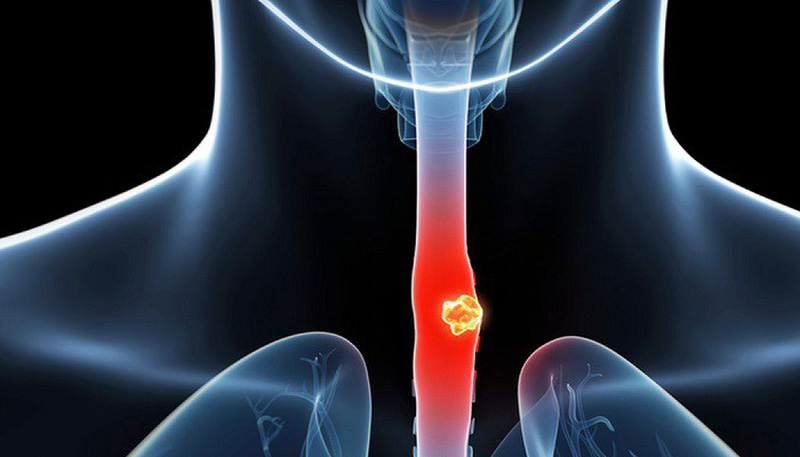
Final Thoughts: Awareness Can Make a Difference
Cancer does not always announce itself with a dramatic warning. Sometimes, the first clue is a small change that seems easy to explain away.
Persistent fatigue, unexplained weight loss, a cough that will not go away, unusual bleeding, a growing lump, difficulty swallowing, changes in bowel habits, ongoing bloating, a changing mole, or unexplained night sweats may sometimes prompt doctors to investigate cancer.
None of these symptoms proves that cancer is present. In fact, many people who experience them will have another explanation.
What matters is recognizing when something is unusual for you and responding appropriately.
Pay attention to your body. Keep up with recommended screening. Seek medical advice when symptoms persist or worsen, and do not let fear prevent you from asking questions.
Early assessment cannot guarantee a particular outcome, but it can help identify the cause of a problem and ensure that appropriate care begins when needed.
The most important message is not to fear every symptom. It is to take persistent changes seriously, seek reliable medical guidance, and give yourself the opportunity to understand what your body is telling you.