Don’t Ignore These 11 Possible Warning Signs of Kidney Trouble
Your kidneys work around the clock to filter waste, remove excess fluid, balance minerals, regulate blood pressure, and support overall health. Yet kidney disease is often called a "silent condition" because symptoms may not appear until significant damage has already occurred.
According to health experts, recognizing early warning signs can help people seek medical evaluation sooner and potentially slow the progression of kidney problems.
Here are 11 symptoms that may signal your kidneys need attention.
1. Persistent Fatigue and Low Energy
When the kidneys are not functioning properly, toxins and waste products can build up in the bloodstream.
This accumulation may leave you feeling tired, weak, or lacking energy even after getting adequate rest.
Kidney disease can also contribute to anemia, which may further increase fatigue and reduce concentration.
2. Changes in Urination

One of the earliest signs of kidney problems often involves changes in urinary habits.
You may notice:
- Urinating more frequently, especially at night
- Producing less urine than usual
- Difficulty urinating
- Foamy or bubbly urine
- Dark-colored urine
Any persistent changes in urination should be discussed with a healthcare professional.
3. Swelling in the Feet, Ankles, or Legs
Healthy kidneys help remove excess sodium and fluid from the body.
When kidney function declines, fluid can accumulate in tissues, leading to swelling, particularly in the lower legs, ankles, feet, or hands.
4. Puffy Eyes
Persistent puffiness around the eyes may sometimes indicate that protein is leaking into the urine.
Protein loss can occur when the kidneys' filtering system becomes damaged, allowing substances that should remain in the bloodstream to escape.
5. Dry and Itchy Skin
The kidneys help maintain the proper balance of minerals and nutrients in the body.
When kidney function becomes impaired, mineral imbalances and waste buildup may contribute to dry, irritated, or itchy skin.
6. Muscle Cramps
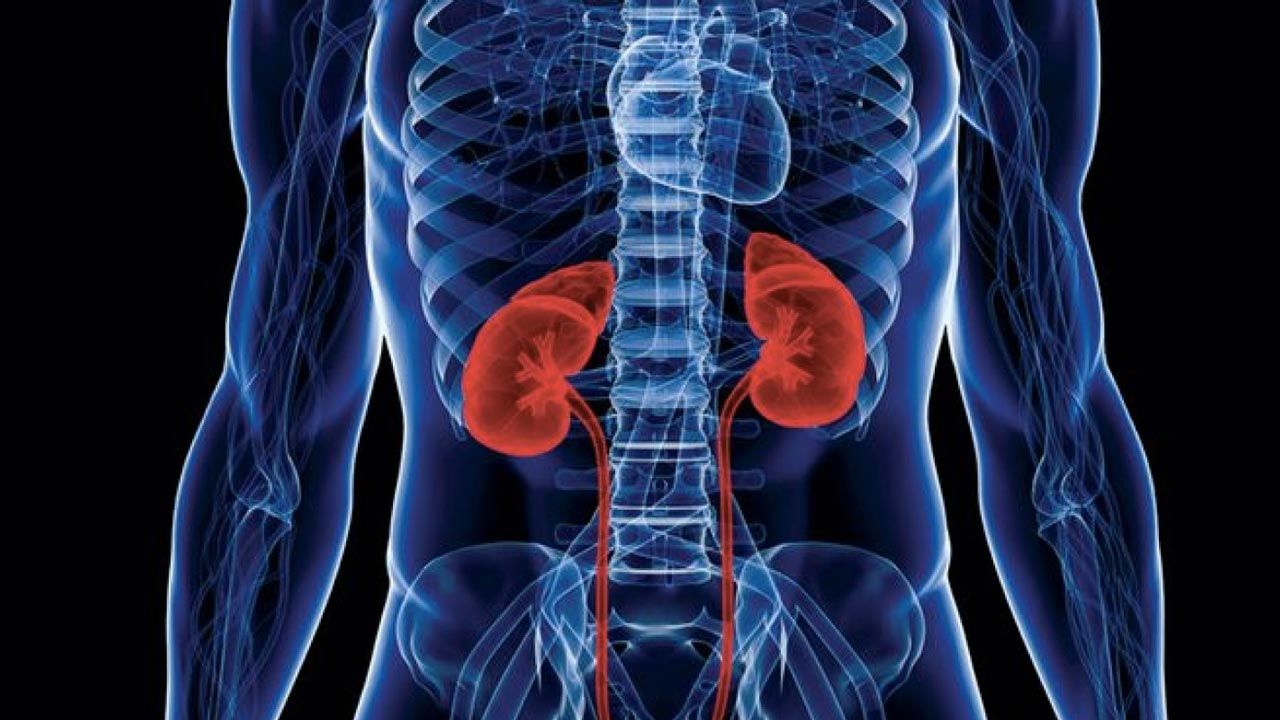
Frequent muscle cramps may be linked to electrolyte imbalances.
Kidney disease can disrupt normal levels of calcium, phosphorus, potassium, and other minerals that help muscles function properly.
7. Loss of Appetite
As waste products accumulate in the bloodstream, some individuals may experience reduced appetite, nausea, or a general lack of interest in food.
This symptom can contribute to unintended weight loss over time.
8. Nausea and Vomiting
Advanced toxin buildup caused by impaired kidney function may lead to digestive symptoms, including nausea and occasional vomiting.
While many conditions can cause these symptoms, persistent nausea should not be ignored.
9. Difficulty Concentrating
The brain relies on a healthy supply of oxygen-rich blood.
Kidney disease can contribute to anemia and toxin accumulation, both of which may affect mental clarity, memory, and concentration.
Some people describe feeling mentally foggy or having difficulty focusing.
10. Shortness of Breath
Kidney disease may indirectly contribute to breathing difficulties.
Excess fluid can accumulate in the lungs, while anemia associated with kidney dysfunction may reduce oxygen delivery throughout the body.
Both factors can lead to feelings of breathlessness.
11. High Blood Pressure
The kidneys and blood pressure are closely connected.
High blood pressure can damage the kidneys over time, and kidney disease can also contribute to elevated blood pressure.
This creates a cycle that may worsen both conditions if left untreated.
Who Is Most at Risk?
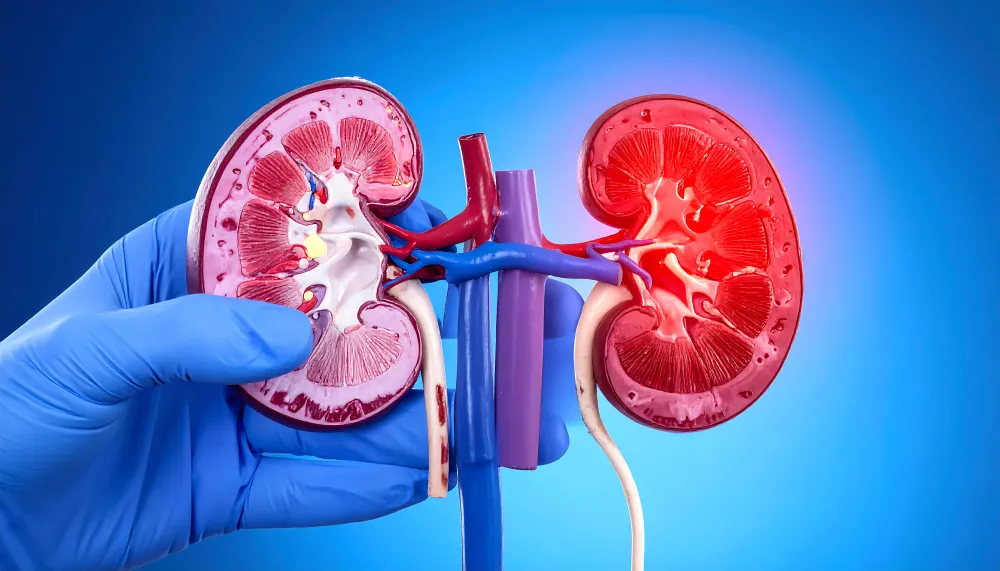
Certain factors increase the likelihood of developing kidney disease, including:
- Diabetes
- High blood pressure
- Heart disease
- Obesity
- Smoking
- Family history of kidney disease
- Age over 60
People with these risk factors may benefit from regular health screenings and kidney function tests.
How to Protect Your Kidneys
While not all kidney disease can be prevented, several healthy habits may help reduce risk:
Stay Hydrated
Drinking adequate water helps the kidneys remove waste efficiently.
Control Blood Pressure
Maintaining healthy blood pressure is one of the most important ways to protect kidney health.
Manage Blood Sugar
People with diabetes should work closely with healthcare providers to keep blood glucose levels under control.
Eat a Balanced Diet
A diet rich in fruits, vegetables, whole grains, and lean proteins can support overall kidney health.
Avoid Smoking
Smoking damages blood vessels and may reduce blood flow to the kidneys.
Use Medications Carefully
Some over-the-counter pain relievers, particularly when used excessively, may increase the risk of kidney damage.
When Should You See a Doctor?
Many of the symptoms listed above can be caused by conditions other than kidney disease.
However, if you experience persistent swelling, changes in urination, unexplained fatigue, or several of these symptoms together, it is important to seek medical evaluation.
Simple blood and urine tests can often provide valuable information about kidney function and help identify problems before they become severe.
The Bottom Line
Kidney disease often develops quietly, and many people do not realize there is a problem until significant damage has occurred.
Paying attention to warning signs such as fatigue, swelling, urinary changes, muscle cramps, itchy skin, and high blood pressure may help lead to earlier detection and treatment.
Your kidneys play a vital role in keeping your body healthy. Listening to what your body is telling you today could help protect your health for years to come.