For millions of people around the world, coffee is an essential part of the daily routine. Whether it's the first cup in the morning or an afternoon pick-me-up, coffee is loved for its rich flavor, comforting aroma, and energizing effects.
But while coffee can be enjoyed as part of a healthy lifestyle, many people don't realize that what they eat alongside it may influence digestion, nutrient absorption, and even how they feel afterward.
This doesn't mean these foods are unhealthy or that they should never be consumed with coffee. Rather, certain food combinations may not be ideal for everyone, especially those with sensitive stomachs, nutrient deficiencies, or digestive concerns.
Here are 6 everyday foods that may not be the best match for your favorite cup of coffee.
1. Iron-Rich Foods
Iron is an essential mineral that helps carry oxygen throughout the body.
Foods rich in iron include:
- Red meat
- Spinach
- Lentils
- Beans
- Tofu
- Fortified cereals
Coffee contains compounds called polyphenols and tannins that may reduce the body's ability to absorb non-heme iron, the type of iron found in plant-based foods.
For individuals who have low iron levels or are at risk of iron deficiency, drinking coffee immediately before, during, or after meals may not be ideal.
Many nutrition experts suggest waiting at least one hour after an iron-rich meal before drinking coffee.
2. Highly Sugary Pastries and Desserts
Coffee and pastries are a classic combination found in cafés around the world.
However, pairing coffee with highly processed sweets may create a rapid spike in blood sugar levels, followed by an energy crash later in the day.
Examples include:
- Donuts
- Frosted pastries
- Sweet cakes
- Sugary muffins
- Candy-filled baked goods
The caffeine in coffee may temporarily increase alertness, while excessive sugar can cause fluctuating energy levels.
For more stable energy, consider pairing coffee with foods that contain protein, healthy fats, or fiber instead.
3. Spicy Foods
Many people enjoy spicy foods, but combining them with coffee may not be comfortable for everyone.
Both spicy foods and coffee can stimulate the digestive system.
In sensitive individuals, this combination may contribute to:
- Heartburn
- Acid reflux
- Stomach discomfort
- Indigestion
People who already experience gastroesophageal reflux disease (GERD) or frequent heartburn may notice symptoms become more pronounced when coffee and spicy foods are consumed together.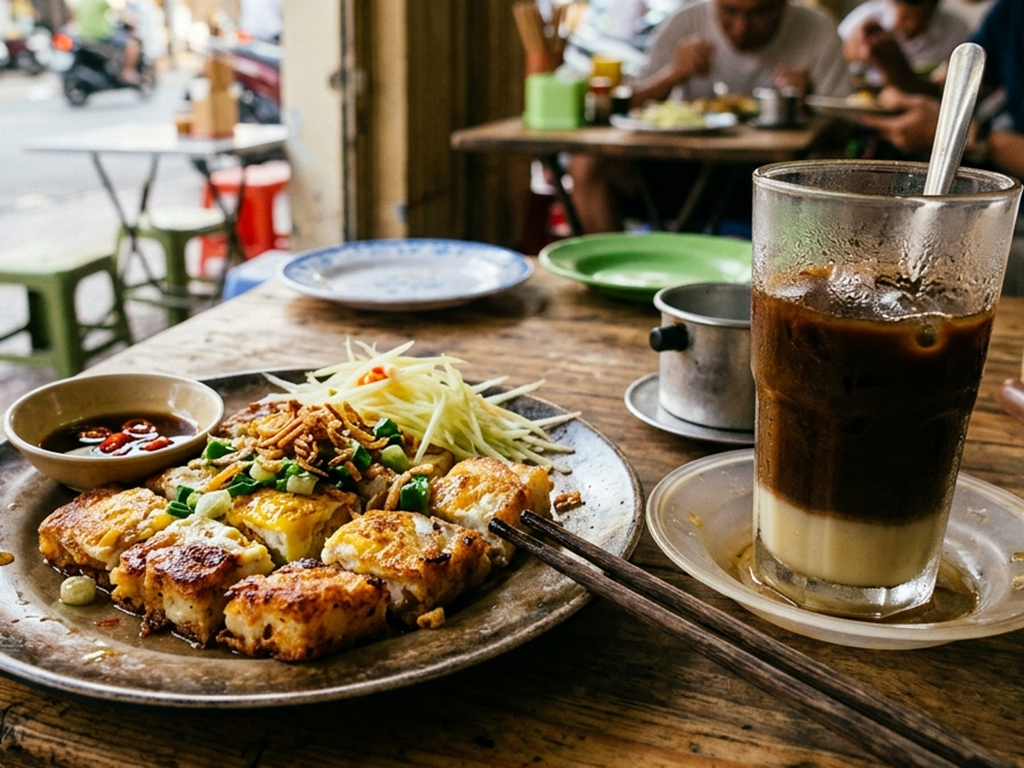
4. Very Salty Processed Foods
Highly processed salty foods may not be the best companion for coffee.
Examples include:
- Potato chips
- Processed snack foods
- Instant noodles
- Salted crackers
- Processed meats
Excess sodium can contribute to dehydration if consumed in large amounts.
Since caffeine may have mild diuretic effects in some individuals, combining very salty foods with coffee may leave certain people feeling thirstier or less hydrated.
Choosing less processed snacks can help support overall health while still enjoying coffee.
5. Calcium-Rich Supplements or Meals
Coffee does not eliminate calcium from the body, but caffeine may slightly affect calcium absorption in some individuals.
For people who rely heavily on calcium-rich meals or supplements, timing may matter.
Examples include:
- Calcium supplements
- Large servings of dairy products
- Calcium-fortified foods
This effect is generally small for most healthy adults. However, individuals concerned about bone health may wish to avoid taking calcium supplements at the exact same time as coffee.
Spacing them apart may help maximize nutrient absorption.
6. Citrus Fruits on an Empty Stomach
Oranges, grapefruits, lemons, and other citrus fruits are packed with vitamins and antioxidants.
However, combining acidic citrus fruits with coffee on an empty stomach may cause digestive discomfort for some people.
Possible symptoms include:
- Stomach irritation
- Acid reflux
- Indigestion
- Heartburn
This doesn't mean citrus fruits and coffee can never be enjoyed on the same day. Many people tolerate the combination perfectly well. However, those with sensitive digestive systems may feel better consuming them separately or alongside a balanced meal.
Why Food and Coffee Interactions Matter
Coffee contains hundreds of naturally occurring compounds that interact with the body in various ways.
These compounds may influence:
- Digestion
- Nutrient absorption
- Energy levels
- Blood sugar responses
- Stomach acidity
The impact varies greatly from person to person. What causes discomfort in one individual may have no noticeable effect in another.
Understanding how your body responds can help you make choices that support comfort and overall wellness.
Better Foods to Pair With Coffee
If you're looking for balanced options to enjoy with coffee, consider foods that provide protein, fiber, and healthy fats.
Examples include:
Nuts
Almonds, walnuts, and pistachios provide healthy fats and protein.
Whole-Grain Toast
Whole grains help provide steady energy throughout the morning.
Eggs
Eggs offer protein and essential nutrients that pair well with coffee.
Greek Yogurt
Rich in protein and probiotics, yogurt can make a satisfying breakfast companion.
Oatmeal
The fiber in oats helps promote fullness and steady blood sugar levels.
Fresh Fruit
Many fruits pair beautifully with coffee while providing vitamins, minerals, and fiber.
Does Everyone Need to Avoid These Combinations?
Not at all.
Many people consume coffee with pastries, citrus fruits, or other foods without any problems.
Individual factors such as:
- Digestive health
- Nutrient status
- Medical conditions
- Medication use
- Personal tolerance
all influence how the body responds.
The goal is not to eliminate favorite foods but to become aware of combinations that may affect comfort, digestion, or nutrient absorption.
Final Thoughts
Coffee can absolutely be part of a healthy diet, but the foods consumed alongside it may influence how the body responds.
Iron-rich meals, sugary pastries, spicy foods, highly processed salty snacks, calcium supplements, and citrus fruits on an empty stomach are six everyday examples that may not be the best match for coffee in certain situations.
Most importantly, pay attention to your body's signals. If a particular food-and-coffee combination consistently leaves you feeling bloated, jittery, uncomfortable, or fatigued, adjusting the timing or pairing may make a noticeable difference.
Small changes in daily habits can often help you enjoy your coffee while supporting better digestion, nutrient absorption, and overall well-being.