Food has a direct impact on many aspects of your health, including your heart health. Certain foods can improve your cholesterol levels and, in turn, lower your risk of heart disease.
1. BeansBesides being a good source of plant-based protein and minerals (such as iron and magnesium), beans are a great source of fiber. In particular, beans are rich in soluble fiber, which dissolves in water to form a gel-like material as it passes through your digestive tract. Soluble fiber is known for lowering cholesterol, specifically low-density lipoprotein (LDL), or “bad” cholesterol.
2. NutsNuts pack a ton of nutrients, including healthy fats, fiber, and antioxidants. Some research has shown that people who eat more nuts have a lower risk of cardiovascular disease and coronary heart disease.
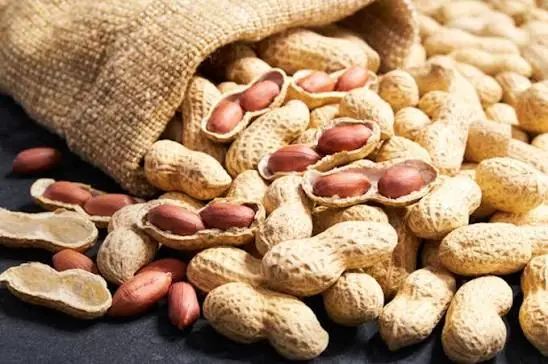
Walnuts are especially great for heart health, as they contain the essential omega-3 fat alpha-linolenic acid (ALA).3 ALA is associated with a decreased risk of cardiovascular disease events, such as a heart attack or stroke.
Almonds are another nut often studied for heart health benefits, as they are rich in mono- and polyunsaturated fatty acids, fiber, and antioxidants like vitamin E. Eating almonds may not only reduce LDL cholesterol levels. Still, they may maintain HDL (“good”) cholesterol levels.
3. AvocadosThis green fruit packs plenty of healthy monounsaturated fats and dietary fiber, which help lower LDL cholesterol levels, especially when consumed in place of less healthy saturated fats.
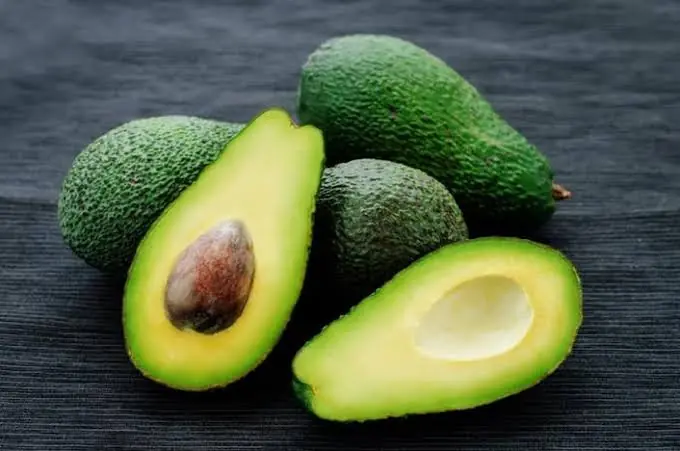
One study found that people who were overweight or obese and who ate one avocado per day as part of an overall heart-healthy diet had an improved LDL cholesterol profile compared with baseline.
4. Fatty Fish
Fish are well known as a lean protein source.
Your healthcare provider may have even recommended eating more fish, taking a fish oil supplement, or following a Mediterranean diet (which includes fish as a major component) to help improve your cholesterol levels. This is because fish—particularly fatty fish like salmon, tuna, sardines, mackerel, and trout—are full of heart-healthy omega-3 fatty acids.
A large study concluded that adults who ate non-fried fatty fish had a decreased risk of developing metabolic syndrome.8 This syndrome comprises a group of risk factors, including low HDL cholesterol and high triglycerides.
5. Barley
Barley is a whole grain rich in beta-glucans. Beta-glucans are a type of soluble fiber that helps lower cholesterol levels by interacting with fats and bile salts in the digestive tract.
A 2016 review and meta-analysis found that barley beta-glucan lowers LDL cholesterol and other non-HDL cholesterol.10 Because of this, including barley-containing foods in your diet may help reduce your risk of heart disease.
6. Soy
Soybeans are a legume high in plant-based protein. Soy is found in edamame and in foods such as tofu, tempeh, and soy milk. One study found that eating about 30 g of soy foods daily reduced cholesterol levels, thus decreasing the risk of heart disease.
Another review of studies concluded that soy foods helped improve LDL, HDL, and total cholesterol levels in people with high cholesterol.
7. Dark Chocolate
Adding a little dark chocolate and cocoa to your diet may benefit your heart. Studies have shown that the flavonoids present in dark chocolate and cocoa may decrease your risk of heart disease.
One trial studied 84 people who consumed either 2 g of dark chocolate or 2 g of milk chocolate for six months. At the end of the six months, total cholesterol, triglycerides, and LDL cholesterol all significantly decreased, and blood pressure significantly improved in those who ate 70% dark chocolate compared with those who ate milk chocolate.
However, you should avoid eating too much chocolate, as it is often high in added sugars. Limit your daily intake of dark chocolate to one serving and choose one with a cocoa content of 70% or higher.
8. Apples, Citrus, and Berries
Many fruits are rich in vitamins, minerals, dietary fiber, and antioxidants. Pectin, a type of soluble fiber found in many fruits (including apples, citrus fruits, and berries), helps lower cholesterol in part by decreasing the amount of cholesterol made by the liver.
A small clinical trial of 40 adults found that those who ate two apples per day for eight weeks had lower LDL and total cholesterol levels.
Antioxidant compounds called polyphenols found in these fruits also exert anti-inflammatory effects that may help lower LDL cholesterol and prevent its oxidation.
9. Vegetables
Just like fruits, vegetables are nutrient-rich, boasting many vitamins, minerals, fiber, and antioxidants. Additionally, they are low in calories and fat, making them a heart-healthy choice.
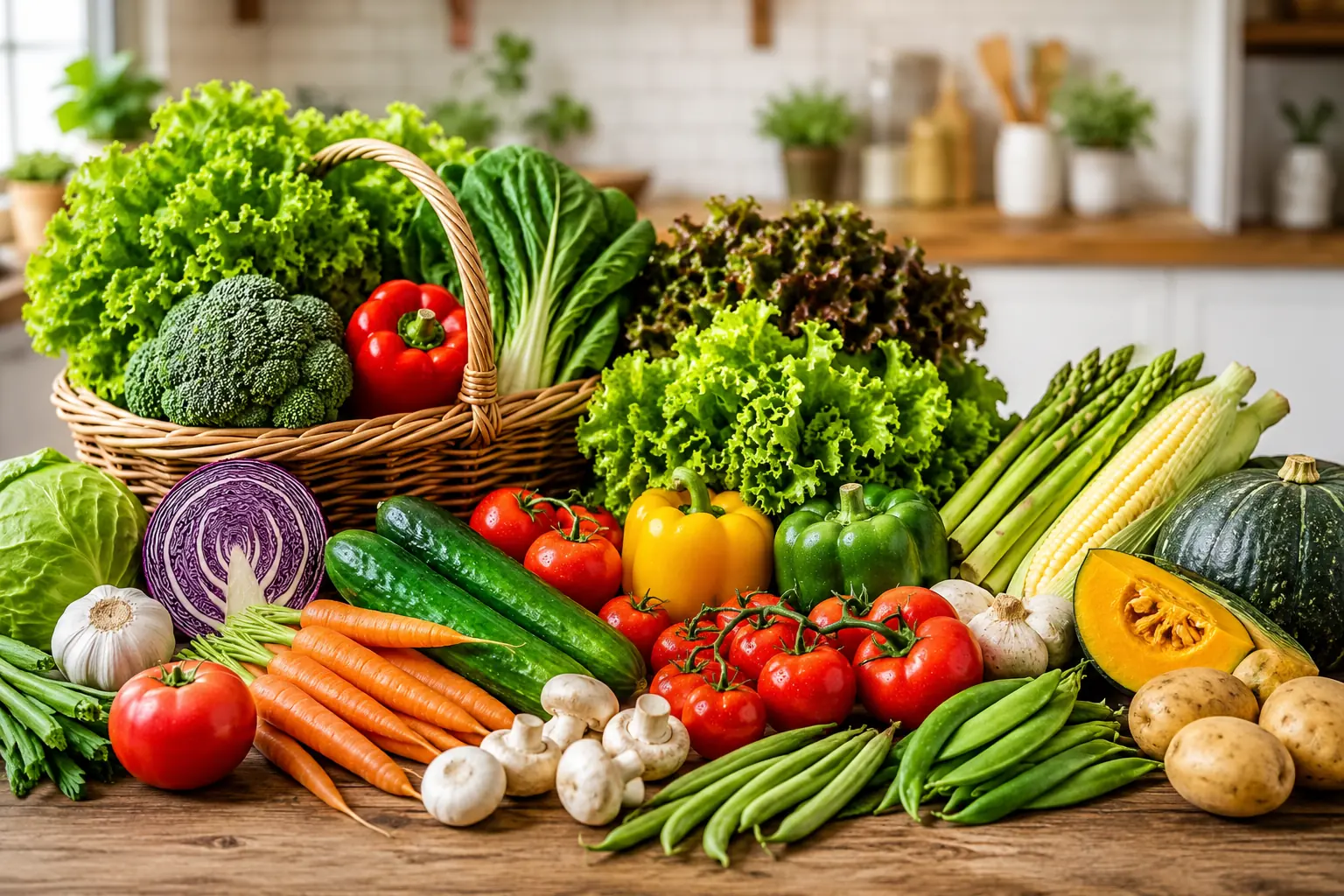
Dietary fiber from whole foods, including vegetables, may reduce the risk of heart disease by reducing total and LDL cholesterol levels.
10. Tea
Tea contains polyphenols, which have antioxidant, anti-inflammatory, and cholesterol-lowering properties and may help prevent heart disease and stroke.
Although some studies have been mixed, most research suggests that both green and black tea provide heart health benefits.
11. Olive Oil
As a staple of the Mediterranean diet, olive oil has often been studied for its heart-health benefits. Extra virgin olive oil is rich in healthy monounsaturated fats that help lower LDL cholesterol.21 It’s also a good source of polyphenols, which can help reduce inflammation and the risk of heart disease.
Replacing saturated fats (like butter) with extra virgin olive oil in your diet may confer heart-protective benefits.
12. Foods Fortified With Plant Sterols and Stanols
Plant sterols and stanols are compounds naturally found in small amounts in many plant-based foods, including grains, vegetables, fruits, legumes, nuts, and seeds. They help reduce cholesterol by blocking its absorption into your bloodstream.24
Many food manufacturers are adding plant sterols and stanols to their products, which can be found in a variety of foods, including margarine, cheese, orange juice, and bread.
You can also find plant sterols and stanols in supplement form. When taken at 2 g a day, plant sterols or stanols can lower LDL cholesterol levels by 8% to 10%.