A complete medical history can be important.
It is also important to avoid making overly broad claims.
Not every medical device containing silicone carries the same risks as free liquid silicone injections.
Not every cosmetic procedure uses the same materials.
And not every adverse reaction has the same cause.
The safest approach is to understand the exact product and procedure rather than relying on a general label.
16. The Importance of Teaching Teenagers About Medical Safety
Health education should begin before young people encounter dangerous beauty trends.
Teenagers should understand that the human body is not something to experiment on with unfamiliar substances.
They should know that a product being available online does not mean it is safe.
They should also understand that a procedure advertised as simple may involve serious medical risks.
Schools and families can help by discussing basic medical literacy.
Young people should learn how to evaluate health claims, recognize unreliable advertising, and identify when professional advice is necessary.
Teaching Critical Thinking
A useful starting point is to encourage teenagers to ask questions.
Who created this video?
Is the person making the recommendation medically qualified?
Is the product approved for the purpose being advertised?
Does the content discuss complications, or only attractive results?
Is the information supported by credible medical knowledge?
These questions can help young people become more thoughtful consumers of online content.
Making It Safe to Ask for Help
Teenagers should also feel comfortable telling adults when they have encountered something dangerous.
They may be afraid of punishment or embarrassment.
A supportive response can make it easier for them to disclose what happened.
If a young person has already purchased an unfamiliar product or received an unsafe treatment, the priority should be medical safety rather than criticism.
Parents should encourage honest communication and seek professional assistance when necessary.
17. A Practical Safety Checklist for Families
The subject can be reduced to several important principles.
First, never inject an unknown substance.
A product should not be introduced into the body simply because someone claims it is used for beauty treatments.
Second, distinguish external products from injectable products.
A silicone gel intended for skin application is not an injectable cosmetic filler.
Third, verify the practitioner.
Check professional qualifications and whether the provider is authorized to perform the proposed treatment.
Fourth, understand the product.
The exact product name and intended medical use should be clear.
Fifth, avoid procedures in unsuitable settings.
Invasive treatments require appropriate clinical conditions and emergency preparedness.
Sixth, do not ignore symptoms.
New swelling, persistent pain, fever, skin changes, breathing problems, or neurological symptoms following a procedure require medical evaluation.
Seventh, protect minors from unnecessary cosmetic pressure.
Young people need guidance, support, and time to develop confidence without feeling forced into permanent changes.
Finally, treat viral stories carefully.
A dramatic headline is not proof of a particular medical diagnosis or cause of death.
These principles can help families make safer decisions even when the circumstances of an individual online story are unclear.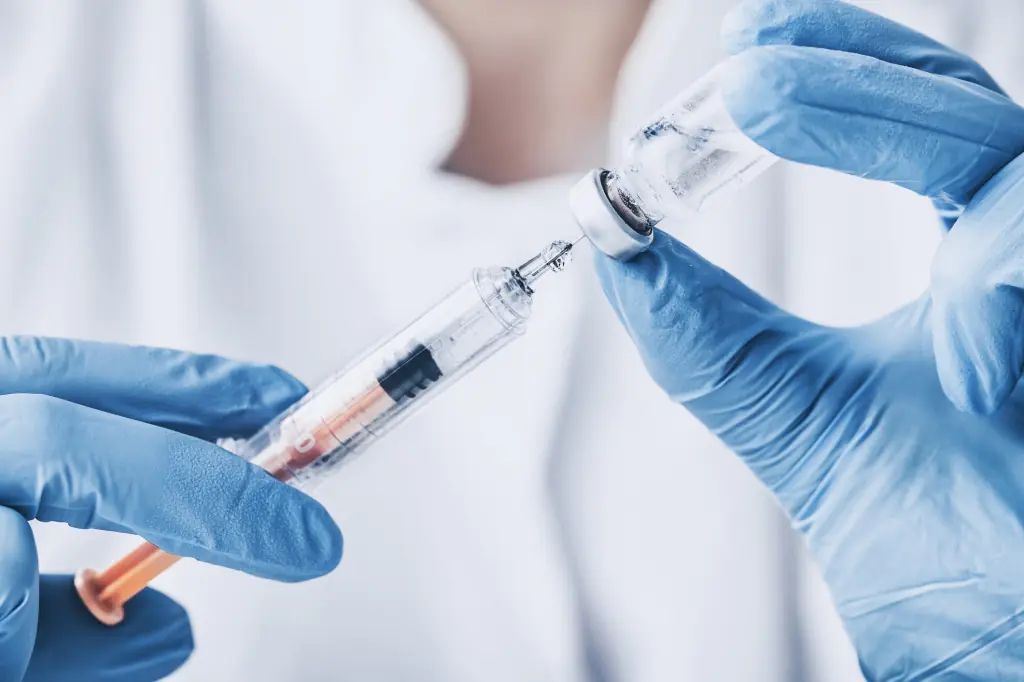
18. A Young Person's Future Should Never Be Reduced to a Beauty Standard
One of the most troubling aspects of cosmetic pressure is the suggestion that a person's appearance must be changed to become worthy of acceptance.
This message can affect people at many ages, but it may be especially influential during adolescence.
At 14, young people are still discovering their identities.
Their preferences, confidence, friendships, and ambitions are developing.
They should have the opportunity to grow without believing that their bodies must conform to every passing trend.
A teenager who feels unhappy about a particular feature deserves understanding.
The response should not be to dismiss their feelings.
Instead, adults can help them explore those concerns in a healthy environment.
Sometimes the issue is related to ordinary insecurity.
Sometimes it may involve bullying, persistent body-image distress, or pressure from social media.
In such situations, appropriate emotional and professional support can make a difference.
Cosmetic procedures are not a universal solution to dissatisfaction.
Invasive and irreversible treatments should never be presented as the only route to confidence.
19. What Readers Should Take Away From This Story
The photograph accompanying the headline is emotionally powerful because it reminds viewers that every young person has a life beyond the image displayed online.
However, the photograph cannot tell us what happened medically.
The headline's wording is unclear, and the available material does not establish whether the teenager received an injection, used an external product, or experienced another kind of incident.
That uncertainty must be acknowledged.
At the same time, there is a genuine public-health message worth discussing.
Unsafe silicone injections can cause severe complications.
Products intended for industrial or external use should never be treated as injectable cosmetic substances.
Unqualified providers and informal treatment settings can expose people to serious risks.
And teenagers deserve particular protection from dangerous cosmetic practices and online pressure.
These are not minor concerns.
They involve medical safety, family communication, informed decision-making, and the responsibility of people who promote beauty treatments.
The most useful response to a shocking headline is not simply to share it.
It is to understand the underlying issue, distinguish verified information from speculation, and help others avoid preventable harm.
20. The Most Important Message: No Beauty Trend Is Worth a Life
A beauty trend may become popular for a few weeks or months.
A social media challenge may attract millions of views.
A cosmetic treatment may be advertised as a shortcut to a particular appearance.
But none of these things should outweigh personal safety.
No one should feel pressured to introduce an unknown substance into their body.
No teenager should believe that an invasive procedure is necessary to deserve acceptance.
And no family should have to face the consequences of an avoidable medical emergency because a product was presented as harmless.
The reported story of the 14-year-old girl remains insufficiently documented by the material accompanying the photograph. Her identity and the circumstances of the alleged incident should not be guessed.
Nevertheless, the broader warning is clear.
Before considering any injectable cosmetic treatment, people must understand exactly what is being used, who is administering it, and what complications may occur.
For parents, the responsibility includes creating an environment where teenagers can discuss appearance, insecurity, and online trends without fear of humiliation.
For medical professionals, it means providing accurate information and placing patient safety above commercial interests.
For social media users, it means questioning dramatic claims instead of automatically treating them as medical facts.
And for anyone who has already received an unsafe injection, it means seeking medical help rather than attempting to manage a potentially serious complication alone.
A young person's future should be measured by the opportunities they have, the relationships they build, and the experiences they enjoy—not by whether they meet an unrealistic beauty standard.
That is the message worth remembering when a headline like this appears.