Diabetes can affect many parts of the body, but the feet deserve particular attention. High blood glucose over time can contribute to nerve damage, reduced blood flow, and slower wound healing, making seemingly minor foot problems more important than they might otherwise be.
The tricky part is that some changes can develop gradually. A small blister, a patch of dry skin, or a slight change in sensation may not seem serious at first. In someone with diabetes, however, regularly checking the feet can help identify problems earlier and reduce the risk of complications.
Not every foot change means diabetes is getting worse, and many symptoms have causes unrelated to diabetes. Still, persistent or unusual changes are worth discussing with a healthcare professional.
Here are 15 foot changes that people with diabetes should pay attention to.

1. Numbness or Reduced Sensation
One of the most important changes to watch for is numbness in the feet or toes.
Diabetes can contribute to peripheral neuropathy, a type of nerve damage that often affects the feet first. When sensation is reduced, you may not notice heat, pressure, cuts, blisters, or other injuries as easily.
For example, a small stone inside a shoe might normally become uncomfortable quickly. With reduced sensation, you might continue walking without realizing that the skin is being irritated.
That's why regularly checking your feet is important, especially if you've already been diagnosed with diabetic neuropathy.
2. Tingling or a “Pins and Needles” Feeling
Some people experience tingling before significant numbness develops.
It may feel like:
-
Pins and needles
-
Tiny electric shocks
-
Crawling sensations
-
Prickling
-
Burning or buzzing
These sensations can come and go or become more noticeable at night.
Tingling has many possible causes, so it doesn't automatically indicate diabetic nerve damage. However, if you have diabetes and notice persistent or worsening tingling in your feet, mention it to your healthcare provider.
3. Burning or Unusual Heat Sensations
A burning feeling in the feet can be another possible sign of nerve involvement.
Interestingly, the feet may feel hot even when they aren't actually warmer to the touch.
This happens because damaged nerves can send abnormal signals to the brain.
Some people describe the sensation as burning, while others experience warmth, stinging, or discomfort.
Persistent burning shouldn't simply be dismissed as tired feet, particularly when it occurs alongside numbness or tingling.
4. Cuts That Take Longer to Heal
Small cuts and scrapes normally begin healing relatively quickly.
However, diabetes can affect the body's ability to respond to injury, particularly when blood glucose levels remain elevated over time.
Reduced circulation can also limit the delivery of oxygen and nutrients needed for tissue repair.
As a result, a minor cut on the foot may take longer than expected to heal.
If a wound isn't improving, becomes more painful, starts draining, or develops increasing redness or swelling, seek medical attention promptly.
5. Blisters That You Don't Notice
Blisters are common, especially when shoes rub against the skin.
The problem is that reduced sensation can make them difficult to detect.
A person may continue wearing the same shoes and walking normally while a blister becomes larger or breaks open.
That's why checking the tops, bottoms, and sides of your feet every day can be useful.
Pay particular attention after wearing new shoes or walking for longer than usual.
6. Cracked or Extremely Dry Skin
Dry skin isn't necessarily a diabetes-specific symptom.
However, people with diabetes may experience skin problems for several reasons, and cracked skin can create openings through which bacteria can enter.
Pay special attention to:
-
Heels
-
Soles
-
Areas between the toes
-
Skin around the nails
A regular moisturizing routine can help maintain the skin barrier.
However, avoid applying moisturizer between the toes unless your healthcare professional specifically recommends it, because excess moisture in that area can contribute to fungal problems.
7. Changes in Skin Color
Changes in the color of your feet can have many causes.
You might notice areas that appear:
-
Red
-
Pale
-
Bluish
-
Darker than usual
-
Unusually mottled
Some color changes may be related to circulation, inflammation, pressure, infection, injury, or other conditions.
A sudden or significant change deserves attention, especially when accompanied by pain, swelling, coldness, or a wound.
Don't assume every color change is caused by diabetes.
8. Swelling Around the Feet or Ankles
Swollen feet and ankles can occur for numerous reasons.
Standing for long periods, certain medications, injuries, heart or kidney conditions, venous problems, and other factors can all contribute to swelling.
In someone with diabetes, however, persistent swelling shouldn't automatically be ignored.
If one foot suddenly becomes swollen, painful, red, or warm, particularly if the change is significant, seek medical advice promptly.
Sudden swelling can have causes that require urgent evaluation.
9. Foot Temperature Changes
Pay attention if one foot consistently feels noticeably colder or warmer than the other.
Temperature differences can sometimes be associated with circulation problems, inflammation, or infection.
This is one reason visual inspection alone isn't always enough.
When checking your feet, notice not only how they look but also whether there are changes in temperature or sensation.
If a foot suddenly becomes cold, pale, blue, or extremely painful, seek urgent medical attention.
10. Pain or Burning While Walking
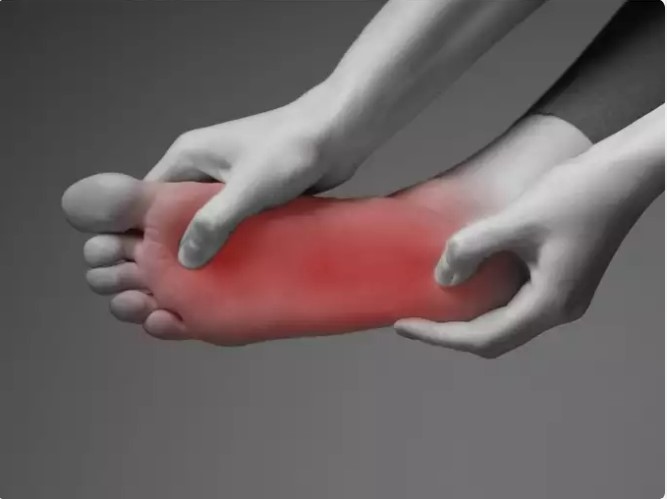
Foot pain can have many explanations, from uncomfortable shoes to arthritis or an injury.
In people with diabetes, pain while walking may sometimes be associated with nerve or circulation problems.
Some circulation-related conditions cause discomfort after walking a certain distance that improves with rest.
If you repeatedly experience unexplained foot or leg pain during activity, tell your healthcare provider.
It's particularly important if the pain is new, worsening, or accompanied by changes in skin color or temperature.
11. Calluses or Thickened Areas of Skin
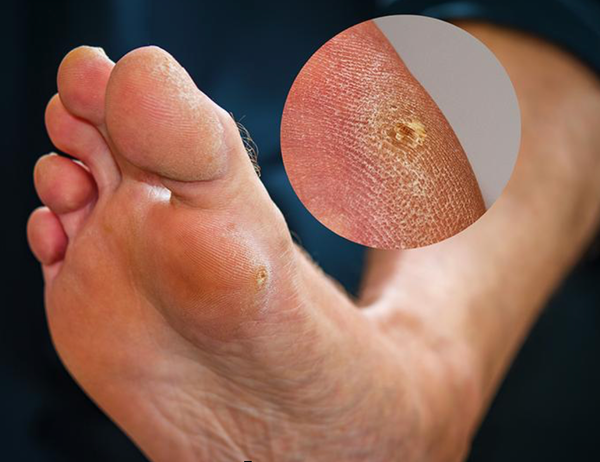
Calluses develop when repeated pressure or friction causes the skin to become thicker.
They're especially common beneath the toes and on pressure points of the feet.
A callus isn't automatically dangerous.
The concern is that thickened skin can hide an underlying pressure injury, especially when sensation is reduced.
Don't attempt to cut or shave a significant callus yourself with a blade.
If you have diabetes and develop recurring thick calluses, a podiatrist or qualified healthcare professional can advise you on appropriate treatment.
12. Corns or Pressure Spots
Corns are areas of thickened skin that typically develop in response to repeated pressure.
They may occur because of footwear, foot structure, or the way a person walks.
For someone with normal sensation, a painful corn may encourage them to change shoes or reduce pressure.
But neuropathy can alter that warning system.
A pressure spot may become damaged without causing much discomfort.
Well-fitting footwear and professional assessment can help prevent recurring pressure injuries.
13. Changes in the Toenails
Toenails can change for many reasons, including aging, repeated trauma, footwear, fungal infections, and other conditions.
You may notice:
-
Thickened nails
-
Brittle nails
-
Yellow or white discoloration
-
Nail separation
-
Changes in shape
-
Pain around the nail
People with diabetes should pay attention to these changes because infections or injuries may be more difficult to manage when circulation or sensation is impaired.
Avoid digging aggressively into the corners of your toenails.
Trim nails carefully and seek professional guidance if you have difficulty managing them safely.
14. Sores, Ulcers, or Open Wounds
A persistent sore on the foot deserves serious attention.
Diabetic foot ulcers can develop when pressure, friction, nerve damage, and impaired healing combine.
An ulcer may begin as something surprisingly small.
A blister breaks.
A callus becomes damaged.
A shoe rubs against the same area repeatedly.
Over time, the injury can become deeper.
If you notice an open sore that isn't healing normally, don't wait for it to become painful before seeking medical advice.
People with neuropathy may have significant injuries without experiencing much pain.
15. Signs of Infection
Infection is one of the most important complications to recognize early.
Possible warning signs include:
-
Increasing redness
-
Swelling
-
Warmth
-
Drainage or pus
-
Foul odor
-
Increasing pain
-
A wound that suddenly looks worse
-
Fever or feeling unwell
Some people with diabetic neuropathy may not experience strong pain even when an infection is present.
If you have diabetes and notice signs of infection in a foot wound, contact a healthcare professional promptly.
A rapidly spreading infection, severe swelling, significant color changes, fever, or feeling very unwell requires urgent medical evaluation.
Why Foot Checks Matter So Much With Diabetes
The feet are exposed to constant pressure.
Every step creates mechanical stress.
Shoes can rub.
Small objects can enter footwear.
Skin can crack.
Toenails can become injured.
For someone with healthy sensation and circulation, the body often provides warning signals through pain and discomfort.
Diabetes can interfere with those signals.
That's why prevention and early detection are so important.
You don't have to spend a long time examining your feet.
A quick daily check can help you notice changes before they become more serious.
A Simple Daily Foot-Check Routine
Make checking your feet part of your normal routine.
Look at the:
-
Tops of your feet
-
Soles
-
Heels
-
Spaces between the toes
-
Toenails
-
Areas around calluses
Look for cuts, blisters, redness, swelling, cracks, discoloration, drainage, or other unusual changes.
If it's difficult to see the bottoms of your feet, use a mirror or ask someone you trust to help.
The goal isn't to become anxious about every tiny mark.
It's simply to become familiar with what your feet normally look like so that unusual changes are easier to recognize.
Choose Your Shoes Carefully
Footwear plays a major role in protecting diabetic feet.
Shoes should fit comfortably without creating excessive pressure.
Avoid shoes that consistently rub against one particular area.
Before putting them on, check the inside for:
-
Small stones
-
Rough edges
-
Folded material
-
Foreign objects
-
Damaged areas
Socks can also help reduce friction and protect the skin.
If a particular pair of shoes repeatedly causes redness or blisters, don't ignore the warning.
Avoid Walking Barefoot When Sensation Is Reduced
Walking barefoot can expose the feet to injuries that might not immediately be noticed.
A sharp object, hot surface, rough ground, or small piece of debris can damage the skin.
If you have diabetic neuropathy or reduced sensation, protecting your feet with appropriate footwear is especially important.
This applies at home as well as outdoors.
Be Careful With DIY Foot Treatments
Some people try to remove corns or calluses using sharp tools, strong acids, or over-the-counter treatments without professional guidance.
For people with diabetes, this can be risky.
A small cut created during a DIY treatment may become a larger problem if healing is impaired.
If you have diabetes and need treatment for a significant callus, corn, wart, or other foot problem, ask your healthcare professional about the safest option.
Blood Glucose Management Still Matters
Foot care isn't separate from diabetes management.
Keeping blood glucose within the range recommended by your healthcare team can help reduce the risk of diabetes-related complications over time.
Managing other cardiovascular risk factors, attending recommended medical appointments, taking prescribed medications appropriately, and avoiding tobacco can also contribute to overall vascular health.
Your feet are part of your entire circulatory and nervous system.
Taking care of your general health helps protect them too.
When Should You Contact a Doctor?
Don't wait for a routine appointment if you develop a concerning foot problem.
Contact a healthcare professional if you notice a wound that isn't healing, signs of infection, unexplained swelling, persistent changes in sensation, or significant changes in color or temperature.
Urgent medical attention is particularly important for rapidly worsening wounds, spreading redness, severe swelling, black or blue tissue, sudden loss of circulation, or symptoms accompanied by fever or feeling seriously unwell.
Early evaluation can make treatment easier and may prevent a relatively small problem from becoming much more serious.
Final Thoughts
Diabetes doesn't mean you're destined to develop serious foot complications.
With appropriate diabetes management and consistent foot care, many problems can be prevented or identified early.
The key is not to panic over every blister or patch of dry skin. Instead, learn what your feet normally look and feel like and pay attention when something changes.
Numbness, tingling, burning sensations, persistent swelling, skin discoloration, cracks, calluses, nail changes, slow-healing wounds, and signs of infection are all worth taking seriously—particularly when they persist or occur together.
A few minutes of checking your feet each day may seem insignificant, but that simple habit can help you catch problems before they have a chance to become bigger ones.
When you have diabetes, your feet aren't something to check only when they hurt. Sometimes the most important warning signs are the ones you barely feel at all.