Many homeowners immediately search for natural ways to discourage snakes from entering their outdoor spaces. Some turn to commercial repellents, while others look for simple solutions they can use without spreading harsh chemicals around their homes.
One popular suggestion is to grow certain plants around the garden. Strong-smelling herbs, aromatic flowers, and dense ornamental plants are often discussed as potential ways to discourage snakes from settling nearby.
But is there any truth behind this idea?
Although no household plant has been scientifically established as a reliable snake repellent, certain plants can be useful as part of a broader yard-management strategy. Some provide aromatic foliage, others help create a well-maintained landscape, and several can be incorporated into garden designs that make it easier to identify potential hiding places.
The real secret is understanding what attracts snakes in the first place—and how your choice of plants, garden layout, and maintenance habits can influence whether your yard becomes an attractive habitat.
Here are several popular plants worth considering, along with practical ways to make your outdoor space less appealing to unwanted snake encounters.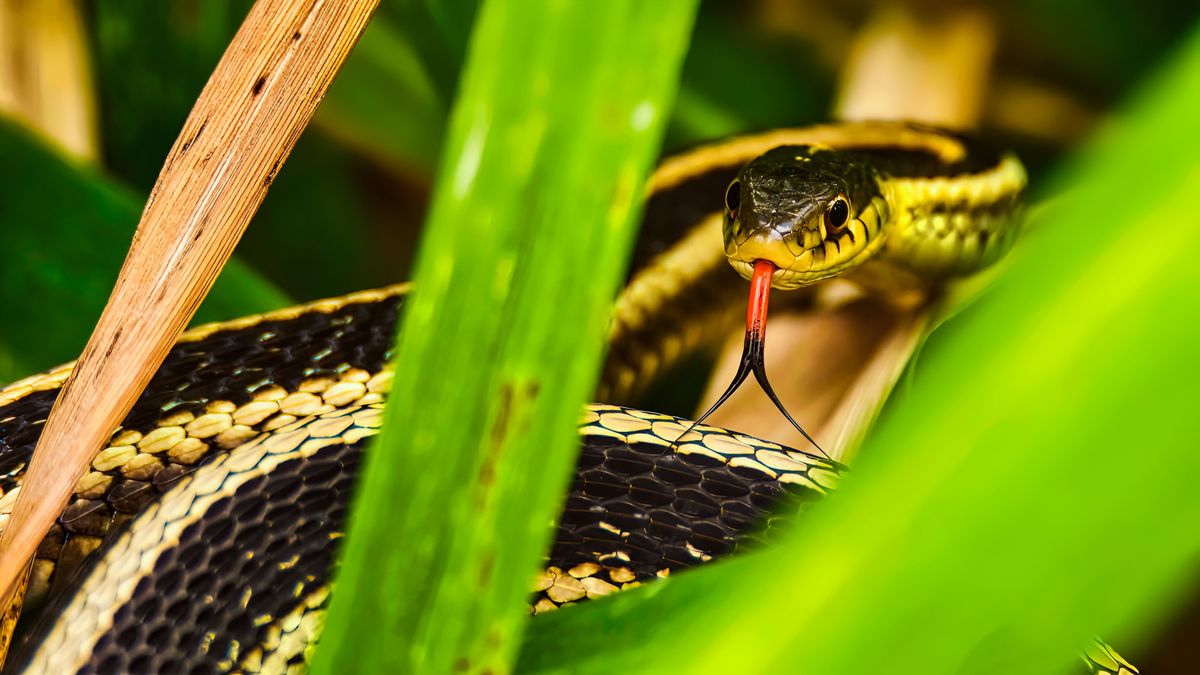
1. Lemongrass: A Fragrant Plant for Outdoor Gardens
Lemongrass is a popular tropical herb known for its fresh citrus scent. It is commonly used in cooking, herbal teas, and garden landscaping, especially in warm climates where it can grow into impressive clumps of narrow green leaves.
Because lemongrass contains aromatic compounds, some gardeners believe its strong fragrance can discourage snakes from approaching the plants.
However, there is currently no strong scientific evidence showing that growing lemongrass reliably keeps snakes away. Its popularity as a supposed snake deterrent comes largely from traditional gardening advice rather than controlled studies.
That does not mean lemongrass has no place in a snake-conscious garden.
The plant can be useful in a landscape designed to remain organized and easy to maintain. When planted in a suitable location and regularly trimmed, it can help define garden borders without requiring complicated landscaping.
The important consideration is how it grows.
Lemongrass can form dense clumps, and any thick vegetation may provide cover for small animals. If rodents or other prey animals begin using the area, the surrounding habitat could become more attractive to snakes rather than less.
To use lemongrass responsibly, avoid allowing it to grow into an unmanaged wall of vegetation beside a doorway, shed, or frequently used pathway.
Keep the base accessible for inspection, remove dead leaves, and avoid planting large clumps immediately against the house.
Gardening tip: Grow lemongrass in a sunny bed or container where it can be maintained easily. Enjoy its culinary and ornamental benefits, but do not depend on its fragrance as your main method of snake prevention.
2. Garlic: A Familiar Ingredient With a Strong Smell
Garlic has been associated with numerous traditional home remedies, including suggestions that its pungent smell may repel unwanted animals.
This has led some homeowners to plant garlic around vegetable gardens, fences, and outdoor seating areas in the hope of discouraging snakes.
Garlic is certainly a useful plant to grow. It can produce a harvest for cooking, requires relatively little space, and can be grown in suitable garden beds or containers.
However, the assumption that its smell will keep snakes away remains unproven.
Snakes do not respond to their surroundings in exactly the same way as insects or mammals. They use chemical cues, including scent-related information collected through their sensory systems, to investigate their environment and locate prey.
A strong odor that people find unpleasant does not necessarily cause a snake to avoid an area.
Nevertheless, garlic can fit comfortably into a practical garden plan.
Plant it where sunlight, soil conditions, and drainage are suitable. Keep beds free of excessive debris, and avoid piling old leaves or garden waste around the plants.
If you grow garlic near a vegetable patch, also pay attention to the spaces beneath raised beds, around irrigation equipment, and beside compost bins. These areas may provide shelter for rodents, lizards, and other small animals.
Reducing unnecessary hiding places and limiting rodent activity are more useful steps than relying on garlic's scent.
Gardening tip: Grow garlic because it is useful in the kitchen and easy to incorporate into a productive garden. Treat any possible snake-deterrent effect as unproven.