What Actually Attracts Snakes to a Yard?
Understanding the reasons snakes enter residential properties is more useful than relying on a list of supposedly repellent plants.
Snakes are not generally interested in visiting a particular home because of its appearance. They move through environments in search of suitable shelter, prey, favorable temperatures, and opportunities to reproduce.
A yard may become attractive when several conditions occur together.
1. An Abundance of Rodents
Mice and rats are important prey for many snake species.
If a property has an ongoing rodent problem, snakes that feed on those animals may occasionally appear nearby.
Pet food left outdoors, unsecured rubbish, fallen fruit, and poorly managed compost can attract rodents.
Store food securely, clean up spills, and address rodent activity using appropriate, safe methods.
2. Piles of Wood, Stones, and Building Materials
A stack of firewood can provide shelter from extreme temperatures and predators. Piles of stones, discarded boards, bricks, and unused construction materials may offer similar hiding places.
These structures can also attract rodents and lizards.
Store firewood on a raised rack, away from the house where practical. Keep unused materials organized, and avoid allowing debris to accumulate along fences or beside sheds.
When moving materials that may conceal wildlife, use appropriate protective equipment and avoid reaching blindly into hidden spaces.
3. Tall Grass and Unmanaged Vegetation
Tall grass and thick vegetation can make it difficult to see animals moving near the ground.
Some snakes use such areas for cover, while small mammals may use them as travel routes or shelter.
Mow regularly where appropriate, trim vegetation beside commonly used paths, and maintain visibility around doors, outdoor seating areas, and children's play spaces.
This does not mean every part of a property must be stripped of vegetation. Wildlife-friendly gardens can be valuable. The goal is to manage the areas immediately around the home so people can move safely and see where they are stepping.
4. Water and Cool, Sheltered Areas
Depending on the species and local climate, snakes may be found near ponds, drainage channels, irrigation systems, or other areas where prey and suitable shelter are available.
A leaking outdoor tap or poorly maintained water feature may also support insects and other small animals.
Repair leaks, maintain drainage, and avoid creating unnecessary damp, cluttered spaces around foundations and sheds.
5. Gaps Around Buildings
Some snakes can enter garages, sheds, and other structures through surprisingly small openings, depending on the species and size of the animal.
Inspect gaps around doors, damaged screens, foundation openings, and utility penetrations.
Use suitable materials to seal openings while maintaining necessary ventilation. Install door sweeps and repair damaged screens where appropriate.
If you suspect a snake is inside a building, do not attempt to trap it with your hands or force it into another room. Keep people and pets away and contact a qualified local wildlife professional.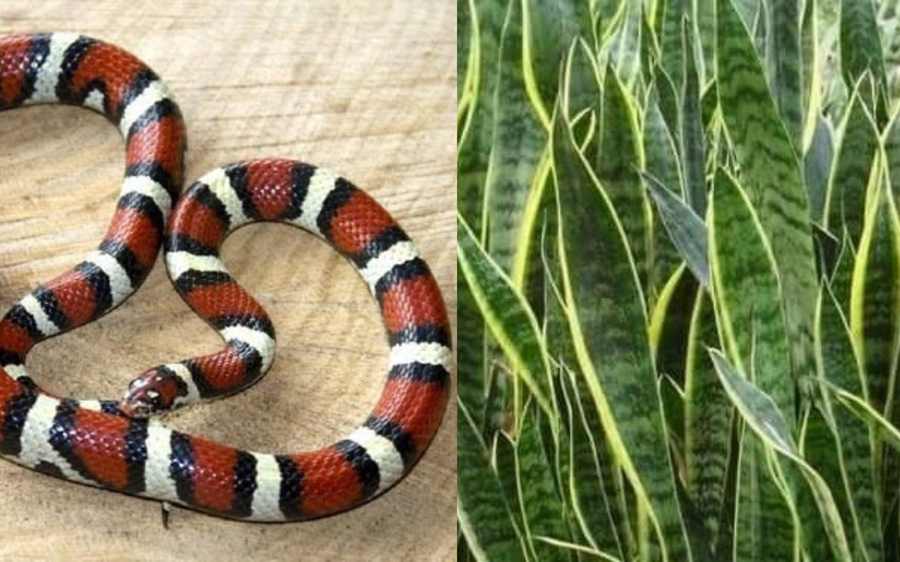
The Most Effective Ways to Make Your Yard Less Appealing to Snakes
Plants can improve a garden, but the most dependable approach to reducing snake encounters involves habitat management and physical prevention.
Here are practical steps homeowners can take.
Keep the immediate perimeter tidy. Maintain a visible strip beside the foundation where appropriate. Remove loose debris and keep shrubs from becoming inaccessible masses against walls.
Control rodents. Store animal feed in sealed containers, secure rubbish, and clean up fallen fruit. If rodent activity persists, consult a pest-management professional about safe, effective control.
Maintain the lawn. Keep grass at a manageable height in frequently used areas. Trim the edges of paths and inspect areas near outdoor equipment.
Store firewood carefully. Use a raised rack and place it away from the house where practical. Avoid stacking wood directly beside doors or frequently used outdoor seating areas.
Seal potential entry points. Repair screens, close gaps around doors, and inspect sheds and garages. Do not block vents or other openings required for safe building operation.
Manage compost responsibly. Use a properly maintained compost system and avoid allowing food waste to attract rodents. Keep the surrounding area accessible for inspection.
Protect children and pets. Teach children not to approach or handle snakes, even if they appear small or motionless. Supervise pets in areas where snakes are known to occur.
Use caution around dense vegetation. Wear closed shoes and suitable gloves when gardening. Look before reaching beneath plants, rocks, or stored materials.
These steps address the conditions that can make a yard attractive to snakes while reducing the likelihood of accidental contact.
Do Commercial Snake Repellents Work Better Than Plants?
Homeowners often encounter products advertised as natural snake repellents, including essential oils, granules, ultrasonic devices, and chemical formulations.