Your kidneys work quietly every single day, filtering waste, balancing fluids, controlling blood pressure, and helping your body stay healthy. But when something starts to go wrong, the warning signs can be subtle — and many people ignore them until serious damage has already happened.
Health experts warn that kidney disease often develops silently, sometimes without obvious pain in the early stages. That’s why paying attention to unusual changes in your body can make a huge difference.
Here are 15 early warning signals your kidneys may be trying to send you 😨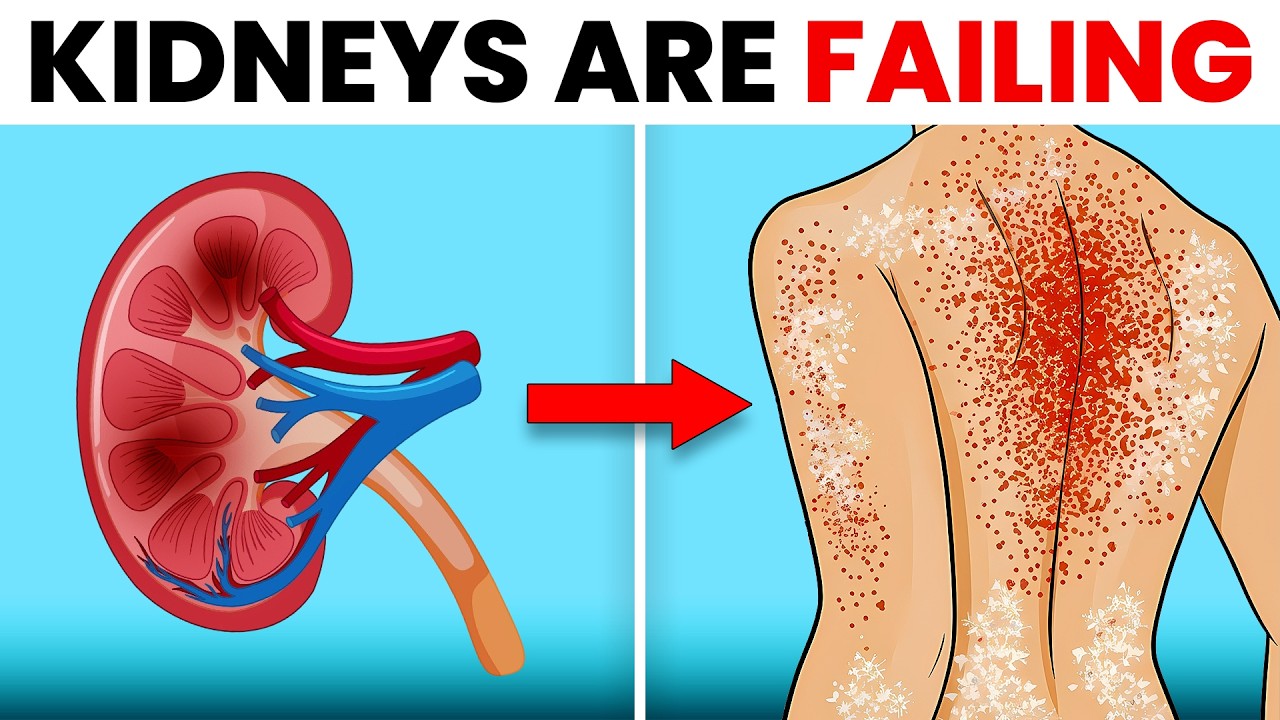
1. Constant Fatigue
When your kidneys are not working properly, toxins can build up in the blood. This may leave you feeling tired, weak, or unable to focus, even after getting enough sleep.
2. Swollen Feet and Ankles
Kidneys help remove extra sodium and fluid from the body. When they struggle, fluid retention can cause swelling in the feet, ankles, legs, or even hands.
3. Changes in Urination
One of the most common early signs of kidney problems is a noticeable change in urination. This may include:
- Urinating more often, especially at night
- Foamy urine
- Dark or bloody urine
- Pain or burning during urination
- Reduced urine output
4. Persistent Puffiness Around the Eyes
Protein leaking into the urine due to damaged kidneys can cause swelling and puffiness around the eyes, especially in the morning.
5. Muscle Cramps
Electrolyte imbalances caused by poor kidney function may lead to painful muscle cramps, particularly in the legs.
6. Dry and Itchy Skin
Healthy kidneys help balance minerals and nutrients in the body. Chronic dry or itchy skin can sometimes be linked to kidney-related mineral imbalances.
7. High Blood Pressure
Kidneys and blood pressure are closely connected. Damaged kidneys may contribute to high blood pressure, while hypertension can also worsen kidney damage.
8. Loss of Appetite
A buildup of waste products in the body may cause nausea, reduced appetite, or an unpleasant metallic taste in the mouth.
9. Trouble Sleeping
People with kidney problems sometimes experience sleep disturbances because toxins remain in the bloodstream instead of being filtered out properly.
10. Shortness of Breath
Extra fluid in the body or anemia related to kidney disease can make it difficult to breathe normally.
11. Frequent Nausea
As waste accumulates in the bloodstream, some people experience nausea or even vomiting, especially in more advanced stages.
12. Difficulty Concentrating
Poor kidney function can reduce oxygen delivery to the brain, leading to dizziness, memory problems, or trouble focusing.
13. Back Pain
Pain near the lower back or side — especially around the kidney area — can sometimes be associated with kidney infections or kidney stones.
14. Metallic Taste in the Mouth
Waste buildup in the blood may alter your sense of taste, making foods taste strange or metallic.
15. Persistent Bad Breath
Kidney issues can sometimes cause bad breath due to toxin accumulation in the body.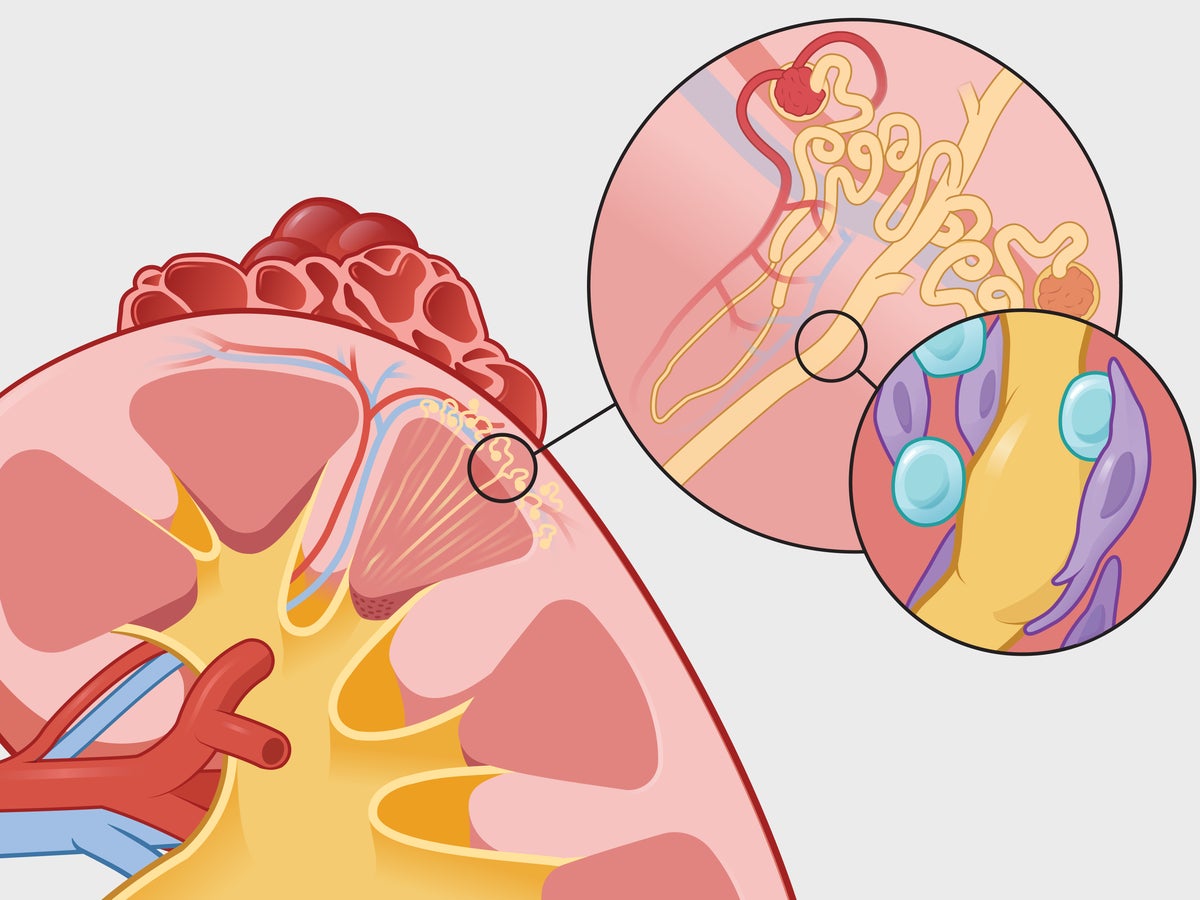
What Increases the Risk of Kidney Disease?
Several factors can increase your risk, including:
- Diabetes
- High blood pressure
- Smoking
- Obesity
- Excessive salt intake
- Family history of kidney disease
- Frequent use of certain pain medications
How to Protect Your Kidneys
Doctors recommend several simple habits to help maintain kidney health:
- Drink enough water
- Limit processed foods and excess salt
- Control blood sugar and blood pressure
- Exercise regularly
- Avoid smoking
- Reduce excessive alcohol intake
- Get regular medical checkups
When to See a Doctor

Occasional symptoms may not always mean kidney disease, but if several of these warning signs appear together or persist for weeks, it is important to speak with a healthcare professional. Early detection can help prevent serious complications and protect long-term kidney function.
Your body often gives small warnings before major health problems develop. Listening to those signals early could make all the difference.