
7 Things That Can Happen to Your Body When You Sleep With a Fan On
Fan On While Sleeping? 7 Ways It May Affect Your Health
⏱️ 1 min read 21/08/2026 10:16
Coconut water has gone from a tropical drink enjoyed mainly in coconut-growing regions to a popular beverage found in supermarkets, gyms, cafés, and health-food stores around the world.
Its naturally refreshing taste and reputation as a source of electrolytes have made it especially popular among people looking for alternatives to soda and other sweetened drinks.
But how much do you actually know about coconut water?
Despite its simple appearance, coconut water has some surprisingly interesting characteristics. It is not the same thing as coconut milk, its nutritional composition changes as the coconut matures, and although it can contribute to hydration, it isn't automatically better than plain water for everyone.
Here are 18 fascinating facts about coconut water that may change the way you think about this tropical drink.
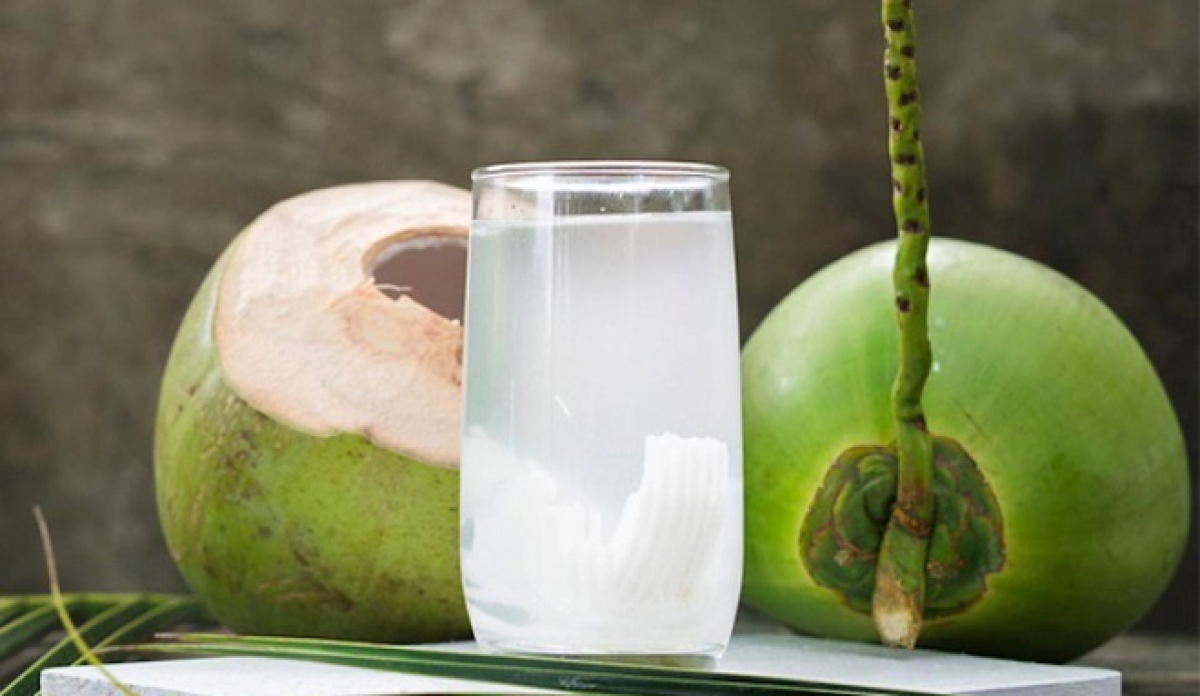
The liquid you see inside a young coconut is naturally occurring coconut water.
It isn't produced by soaking coconut flesh in water, and it isn't the same as coconut milk.
When a young coconut is opened, the clear liquid inside can be poured out and consumed directly.
This water develops naturally as the coconut grows.
The coconut tree essentially creates a small nutrient-containing liquid environment inside the developing fruit.
As the coconut matures, some of that liquid is gradually used in the development of the coconut flesh.
This is one of the most common sources of confusion.
Coconut water is the naturally occurring liquid inside a coconut.
Coconut milk is produced by processing grated mature coconut flesh with water and then extracting the resulting liquid.
Their nutritional profiles are therefore quite different.
Coconut water is generally:
Low in fat
Relatively low in calories
Mostly water
A source of electrolytes
Coconut milk is much richer and contains substantially more fat and calories.
So if someone says they're drinking "coconut milk" for hydration, they may actually be talking about coconut water.
The stage of maturity matters.
Young green coconuts are generally harvested specifically for their water.
As the coconut matures, the amount and characteristics of the liquid change while the white coconut flesh becomes thicker.
That's why you may notice that a young coconut contains a large amount of refreshing liquid but relatively soft flesh.
A mature brown coconut tends to have more developed meat and less liquid.
One of the reasons coconut water became popular among athletes is its electrolyte content.
It naturally contains minerals such as:
Potassium
Sodium
Magnesium
Calcium
Electrolytes help regulate fluid balance and are involved in nerve and muscle function.
This makes coconut water a reasonable beverage option in some situations, particularly when you're looking for something more flavorful than plain water.
But that doesn't mean coconut water is automatically the best hydration drink for every situation.
Coconut water is particularly well known for its potassium content.
Potassium plays an important role in:
Muscle contraction
Nerve signaling
Fluid balance
Normal heart function
Blood pressure regulation
For most healthy people, potassium is an important part of a balanced diet.
However, more potassium isn't always better.
People with certain forms of kidney disease may have difficulty removing potassium from the blood.
Some medications can also increase potassium levels.
If you've been advised to restrict potassium, don't assume coconut water is automatically a healthy choice.
You've probably seen coconut water described online as a natural detox beverage.
That's an exaggeration.
Your body already has sophisticated systems for processing and eliminating waste, particularly through the liver and kidneys.
Coconut water can contribute fluids and nutrients to your diet, but it doesn't flush toxins out of your bloodstream in some special way.
The healthiest way to think about it is simply:
It's a nutritious beverage—not a magical detox treatment.
Because coconut water is mostly water, it can contribute to daily fluid intake.
The electrolytes it contains may also help replace some minerals lost through sweat.
This can make it useful after certain forms of exercise or during hot weather.
However, for everyday hydration, plain water works extremely well.
You don't need coconut water to stay hydrated.
If you enjoy the taste and it helps you drink more fluids, that's a perfectly reasonable reason to choose it.
Coconut water isn't sugar-free.
It naturally contains carbohydrates, including sugars.
The amount varies depending on the coconut and the product.
This matters because some packaged coconut waters also contain added sugar.
If you're drinking coconut water regularly, check the nutrition label.
Ideally, choose products that contain:
Coconut water + little or no added sugar.
A beverage can look healthy on the front of the package while still containing a significant amount of added sugar.
Drinking coconut water straight from a freshly opened coconut is different from drinking a shelf-stable product.
Commercial coconut water may undergo processing designed to improve safety and extend shelf life.
Some products may also be:
Pasteurized
Filtered
Concentrated and reconstituted
Flavored
Sweetened
This doesn't automatically make packaged coconut water unhealthy.
It simply means you should look at the ingredient list rather than assuming every product is identical.
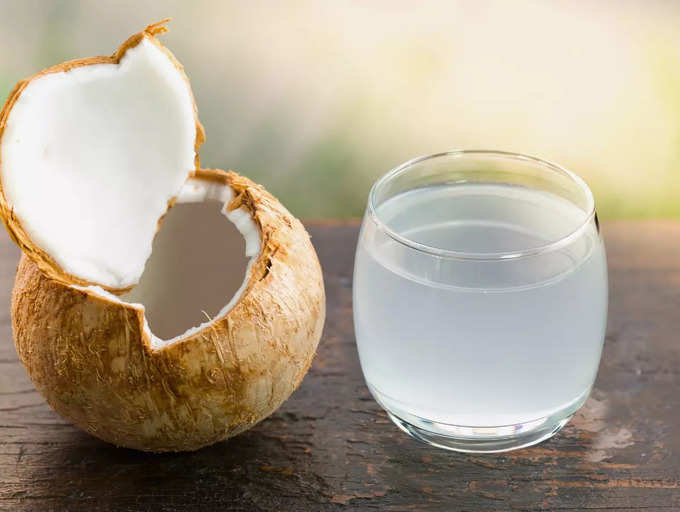
In tropical regions where coconut palms grow naturally, coconut water has long been consumed as a refreshing beverage.
It has been part of traditional diets in many parts of:
Southeast Asia
South Asia
The Pacific
Latin America
The Caribbean
Long before coconut water became a global health trend, people living in tropical climates were already enjoying it as a naturally available drink.
Its popularity today is therefore not a new discovery.
What is new is the large-scale commercial packaging and marketing of coconut water around the world.
Coconut water is often marketed as a natural sports drink.
There is some logic behind that comparison because both can provide fluids and electrolytes.
But they aren't nutritionally identical.
Sports drinks are typically formulated with specific amounts of:
Water
Carbohydrates
Sodium
Potassium
Coconut water naturally varies in its electrolyte and carbohydrate content.
For moderate everyday exercise, coconut water can be perfectly reasonable.
For prolonged, intense endurance exercise where large amounts of sodium and carbohydrates are lost, a specifically formulated sports drink may sometimes be more appropriate.
After a workout, your body needs to replace fluids and, depending on the intensity and duration, electrolytes and energy.
Coconut water can contribute to this process.
However, recovery involves more than hydration.
If you've completed a demanding workout, your recovery meal should also provide appropriate:
Protein + carbohydrates + fluids.
A bottle of coconut water alone isn't a complete recovery strategy.
Think of it as one component of recovery rather than the entire solution.
Coconut water is naturally low in fat and contains potassium.
Potassium is relevant to blood-pressure regulation, and diets rich in potassium-containing foods can support cardiovascular health.
But drinking coconut water doesn't automatically lower blood pressure.
If you're concerned about heart health, much more important factors include:
Overall diet
Sodium intake
Physical activity
Healthy body weight
Blood pressure
Cholesterol
Smoking
Sleep
Coconut water can fit into a healthy lifestyle, but it isn't a substitute for those fundamentals.
One practical advantage of coconut water is that it can replace beverages that contain large amounts of added sugar.
For example, replacing a sugary soda with unsweetened coconut water can reduce added-sugar intake.
However, don't assume every coconut-water product is automatically healthier.
Some flavored varieties may contain added sweeteners.
Always check the label.
The simplest options are usually those with minimal ingredients.
You don't have to drink coconut water straight from a bottle.
It can also be incorporated into recipes.
Try using it in:
Smoothies
Fruit drinks
Chia puddings
Frozen pops
Oatmeal
Rice dishes
Tropical sauces
Its mildly sweet flavor works particularly well with fruits such as:
Pineapple, mango, passion fruit, berries, and citrus.
Using coconut water in recipes can also be a fun way to experiment with tropical flavors.
This is an important distinction because online health claims can become exaggerated quickly.
Coconut water has been promoted for everything from kidney cleansing to diabetes management.
But a food or beverage shouldn't be confused with medical treatment.
Coconut water cannot replace:
Diabetes medication
Blood-pressure medication
Kidney disease treatment
Electrolyte therapy prescribed by a doctor
Treatment for dehydration caused by serious illness
If you're severely dehydrated because of vomiting, diarrhea, heat illness, or another medical condition, professional medical advice may be necessary.
Coconut water's potassium content is one of its biggest nutritional characteristics—and also one of the reasons some people should be cautious.
Healthy kidneys normally help maintain appropriate potassium levels.
But when kidney function is significantly impaired, potassium can accumulate.
Very high blood potassium can interfere with normal heart rhythm.
Therefore, people with chronic kidney disease, certain heart conditions, or medications that raise potassium may need individualized dietary guidance.
If you've been told to monitor potassium, ask your healthcare professional whether coconut water fits into your diet.
"Natural" doesn't mean "unlimited."
When buying packaged coconut water, the ingredient list is worth checking.
A simple product may contain essentially:
Coconut water.
Other products may contain:
Added sugar
Flavorings
Fruit concentrates
Preservatives
Other ingredients
None of these automatically makes a product dangerous.
But if your goal is simply to enjoy coconut water as a naturally refreshing beverage, a minimally processed, unsweetened option is usually the easiest choice.
Fresh coconut water has a mild, slightly sweet flavor.
Some varieties taste almost floral, while others have a more noticeable nutty or mineral-like character.
Packaged coconut water can taste different depending on processing and storage.
Some people love it immediately.
Others need a little time to get used to its flavor.
If you find plain coconut water too strong, try serving it chilled or mixing it with a small amount of fresh citrus juice.
For most healthy adults, moderate amounts of unsweetened coconut water can fit into a balanced diet.
But there is no nutritional requirement to drink it every day.
Plain water should remain a major source of hydration.
And if you already eat plenty of potassium-rich foods, drinking large quantities of coconut water may add more potassium and calories than you need.
As with almost everything in nutrition:
More isn't automatically better.
There is no general medical rule saying you must avoid coconut water at night.
If you enjoy it, you can drink it in the evening.
However, because it contributes fluid, drinking a large amount immediately before bed could increase nighttime urination.
If you already wake frequently to use the bathroom, consuming large quantities of fluid late at night may not be ideal.
The issue is mainly timing and personal comfort—not a special harmful effect of coconut water after dark.
Not necessarily.
For most healthy people, it's a reasonable beverage.
But people with certain conditions may need to limit it.
Extra caution may be appropriate for people with:
Chronic kidney disease
High blood potassium
Certain heart conditions
Specific fluid restrictions
Certain medication regimens
Diabetes requiring careful carbohydrate management
If you have a medical condition that affects fluid, potassium, or carbohydrate intake, ask your healthcare professional about appropriate portions.
So which is better?
For everyday hydration, plain water remains an excellent choice.
Coconut water offers additional electrolytes and some nutrients, but it also contains natural sugars and calories.
Think of the two as serving slightly different purposes.
Best for:
Everyday hydration
Zero calories
No sugar
Simple and inexpensive
Useful when you want:
Hydration
Some electrolytes
A naturally sweet flavor
An alternative to sugary beverages
Neither needs to be declared the universal winner.
When shopping, look for a few simple things.
Shorter is often better.
Compare total sugars with added sugars when the label provides both.
A bottle may contain more than one serving.
If you have kidney disease or have been told to restrict potassium, check the label carefully.
There's no need to buy the most expensive coconut water simply because its packaging looks more "natural."
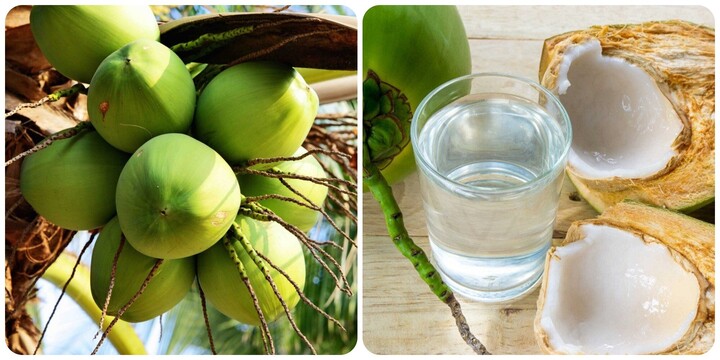
Coconut water is more interesting than it may first appear.
It is the naturally occurring liquid inside coconuts, not coconut milk, and it contains water, potassium, magnesium, sodium, calcium, carbohydrates, and other nutrients.
It can contribute to hydration and can be a refreshing alternative to some sugar-sweetened beverages.
But it isn't a miracle drink.
It doesn't detox your body, cure disease, or automatically provide better hydration than plain water.
For most healthy people, moderate amounts can easily fit into a balanced diet.
The biggest thing to remember is that individual health matters.
If you have kidney disease, high potassium, certain heart conditions, diabetes, or a fluid restriction, coconut water may need to be limited.
So enjoy it for what it really is: a naturally refreshing tropical beverage with useful nutrients—not a magical cure-all.
And the next time you crack open a young coconut, you'll know that the clear liquid inside isn't just a tasty drink.
It's a fascinating part of the coconut's natural development—and one of nature's simplest sources of fluids and electrolytes.
Fan On While Sleeping? 7 Ways It May Affect Your Health
Trying to Lose Weight, She Ate Eggs at Every Meal for 5 Months. Her Medical Checkup Left Doctors Stunned
THE MOST POTENT HERB THAT DESTROYS PARASITES, URINARY TRACT …
What happens when you drink water first thing in the morning? The answer may surprise you.
The ONE question to ask before agreeing to a colonoscopy.
Why Garlic Has Been Studied for Its Potential Health Benefits?
One Digestive Symptom That Deserves More Attention
Fan On While Sleeping? 7 Ways It May Affect Your Health
When wealthy, high-maintenance Jenny repeatedly witnesses an intimidating biker named Kai performing random acts of kindness, her curiosity leads her straight to his workshop—and into an unexpected connection.
Remembering a Life Lost: A Community’s Search for Justice and Hope
Trying to Lose Weight, She Ate Eggs at Every Meal for 5 Months. Her Medical Checkup Left Doctors Stunned
THE MOST POTENT HERB THAT DESTROYS PARASITES, URINARY TRACT …
What happens when you drink water first thing in the morning? The answer may surprise you.
The ONE question to ask before agreeing to a colonoscopy.
Why Garlic Has Been Studied for Its Potential Health Benefits?
One Digestive Symptom That Deserves More Attention