According to the US National Oceanic and Atmospheric Administration and the European Chemicals Agency, microplastics are pieces of plastic less than 5 mm in length. US EPA researchers define microplastics as plastic particles ranging from 1 nanometer to 5 mm in size, formed from the decomposition of plastic products such as plastic bottles, plastic bags, plastic utensils, etc. released into the environment.
Several studies have shown the harmful effects of microplastics on human health. A March 2024 study found that people with microplastics in their carotid arteries were twice as likely to have a heart attack, stroke, or death within 3 years as those without these particles.
When microplastics enter the body, they can disrupt biological processes and carry chemicals such as bisphenol, phthalate, flame retardants, PFAS and heavy metals that spread into the blood and travel to the liver, kidneys, brain..., affecting the respiratory system, causing allergies, nerve damage and even causing the development of cancer cells.
Scientific studies have shown that many popular foods contain microplastics. According to CNN, a study in February 2024 showed that 90% of animal and plant protein samples contained microplastics. Notably, microplastics are found in many types of seafood that people eat every day, of which the following 2 types of seafood are very popular with Vietnamese people:
1. Shrimp
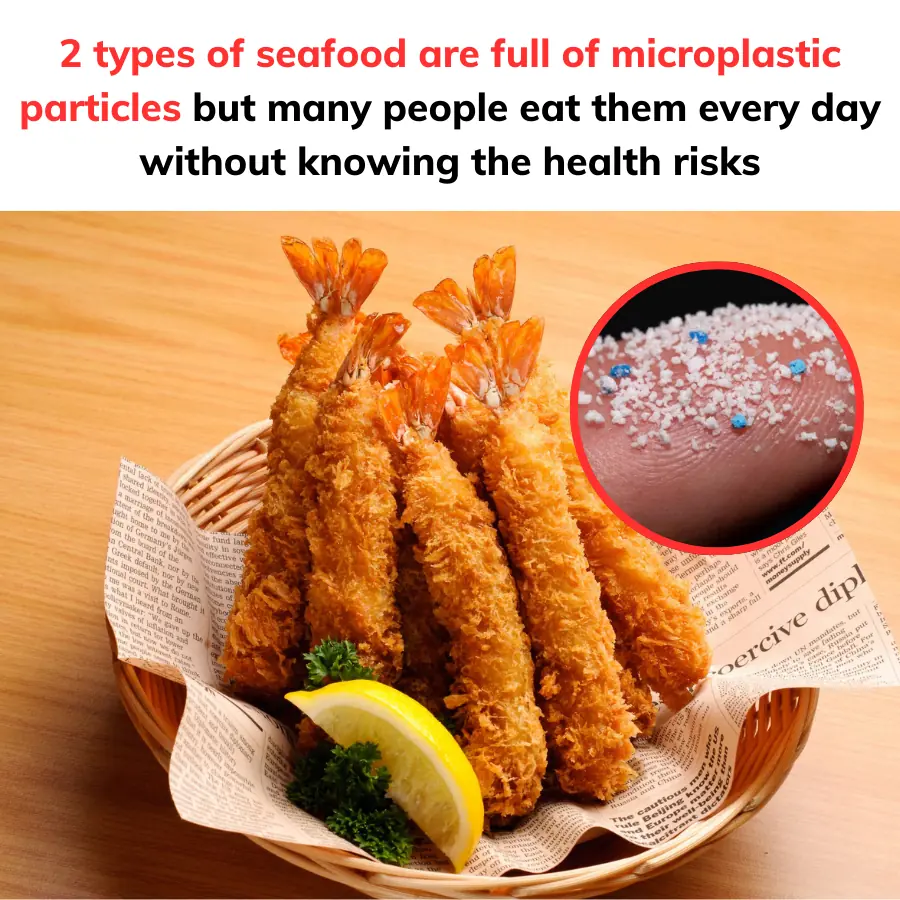
2 types of seafood are full of microplastic particles but many Vietnamese people eat them every day without knowing the health risks - Photo 2.
Shrimp contain a lot of microplastics because they eat plankton - a type of food that often gathers in ocean currents, which is also the gathering point of microplastics. Shrimp sold in stores also contain a lot of fibers and plastic pieces due to the influence of plastic packaging.
According to a study published in the Journal of Environmental Research, looking at commonly consumed proteins, fried breaded shrimp contained the most microplastics, with an average of more than 300 microplastic pieces per serving.
2. Oysters
According to research by the University of Hull (UK), mollusks such as oysters, mussels, scallops... have a higher ratio of microplastic particles per gram of body than shrimp and crabs. Oysters were among the three types of seafood with the highest levels of microplastic contamination in this study, especially oysters caught in Asian waters. A 2020 study by Professor Francisca Ribeiro (University of Queensland, Australia) also found that microplastics are abundant in oysters.
In addition, seafood shown to contain a lot of microplastics in this study included squid, farmed tiger prawns, blue crabs, and sardines. NutritionFacts.org also reported that fish such as grouper, squid, flathead catfish, and barracuda can contain hundreds of microplastics per 300 grams of fish meat.
However, experts say that the amount of microplastics in seafood is not significantly different from that in terrestrial proteins such as chicken, beef, and pork. This shows that microplastics are not only limited to the marine environment but also affect many other food sources.
How to limit microplastics from food?
Researchers recommend that people should wash food before processing to reduce the amount of microplastics. At the same time, choose food with a clear origin, limit the use of disposable packaging to avoid leakage of microplastic particles from this type of packaging. Fresh food is proven to have less microplastics than processed foods such as frozen food and fast food, so prioritize choosing fresh food in your daily diet.