20 Things About Okra That Could Change the Way You Look at This Vegetable

20 Little-Known Facts About Okra That Health-Conscious People Should Know

Chapter 1

Theme:
Font Size:
24px

Okra may not be the first vegetable that comes to mind when you think about healthy eating. Its distinctive shape and slightly sticky texture can divide opinions, but nutritionally, okra is far more interesting than it may appear.

Known in many parts of the world as lady's finger, okra is a flowering plant whose edible green pods are commonly used in soups, stews, curries, stir-fries, and other dishes. It provides fiber, vitamins, minerals, and plant compounds while being relatively low in calories.

But some claims about okra—particularly online claims about “curing” diabetes, cleansing the body, or dramatically lowering blood sugar—go much further than the evidence supports.

So what does this vegetable actually have to offer?

Here are 20 things about okra that may change the way you look at it.
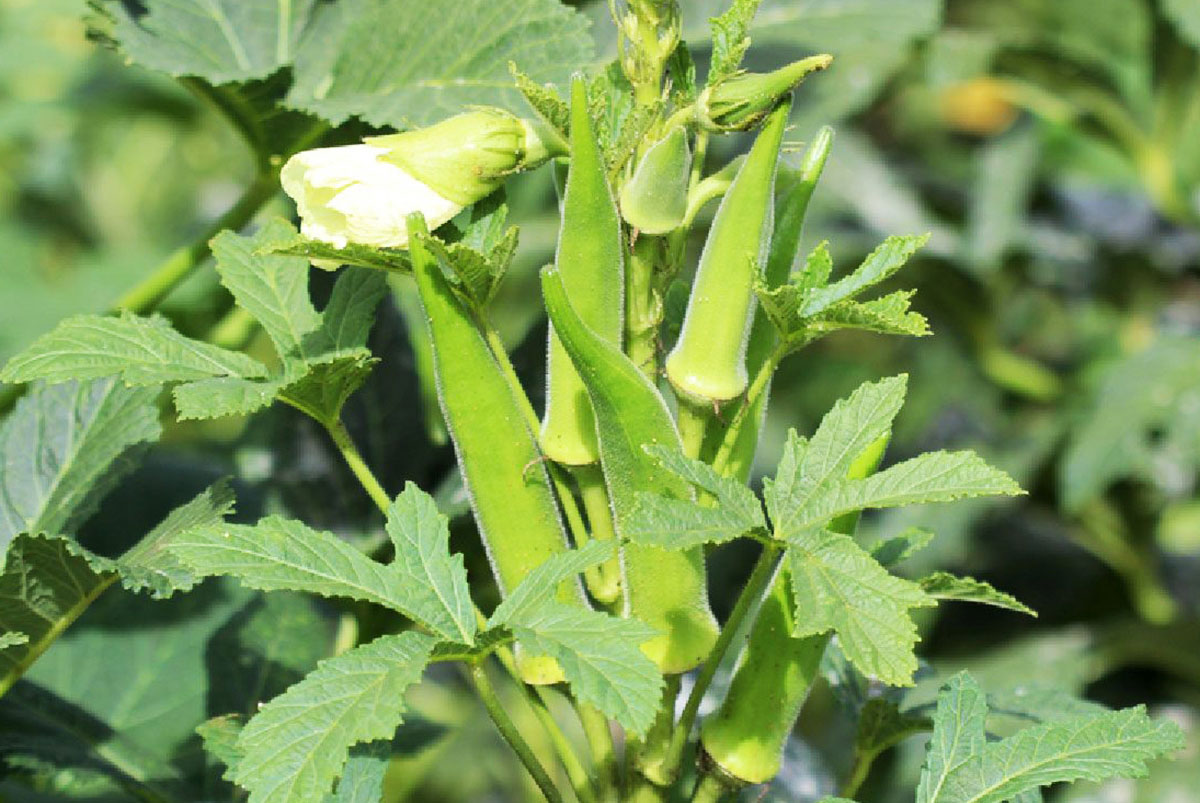
Hạt giống đậu bắp Phương Nam

1. Okra Is Surprisingly Nutrient-Dense

Okra is relatively low in calories while providing several useful nutrients.

A typical serving can contribute:

  • Dietary fiber

  • Vitamin C

  • Vitamin K

  • Folate

  • Magnesium

  • Potassium

  • Calcium

  • Small amounts of protein

  • Various antioxidant compounds

The exact nutritional profile depends on serving size and preparation method.

This makes okra an easy vegetable to incorporate into a balanced eating pattern without adding a large amount of energy to a meal.

2. Okra Is a Good Source of Dietary Fiber

One of okra's most useful nutritional characteristics is its fiber content.

Fiber can support normal digestive function and help contribute to regular bowel movements.

There are different types of dietary fiber, and okra contains both soluble and insoluble components.

Soluble fiber can interact with water and form a gel-like substance, while insoluble fiber contributes bulk to stool.

A diet containing adequate fiber may also support healthy cholesterol levels and better overall metabolic health.

However, increasing fiber too quickly can cause gas or bloating.

If your diet has been low in fiber, gradually increasing vegetables, fruits, legumes, and whole grains while drinking adequate fluids can be more comfortable.

3. That “Slimy” Texture Has a Reason

If you've ever cut okra, you've probably noticed the slippery, gel-like substance inside.

Some people love it.

Others avoid okra specifically because of it.

But that texture is not a sign that the vegetable has gone bad.

The gel comes from mucilage, a mixture of soluble fibers and other plant substances.

When exposed to water, the mucilage becomes more noticeable.

Interestingly, this natural characteristic is one reason okra works particularly well as a thickening ingredient in soups and stews.

Instead of seeing the texture as a disadvantage, it can be viewed as one of the vegetable's unique culinary features.

4. Okra May Support Digestive Health

Because it contains fiber and mucilage, okra can be part of a diet that supports normal digestion.

Fiber helps add bulk to stool, while adequate dietary fiber overall is associated with healthy bowel function.

For people who don't regularly eat vegetables, adding okra to meals can be one way to increase total fiber intake.

However, okra should not be considered a treatment for chronic constipation or digestive disease.

Persistent constipation, unexplained abdominal pain, blood in the stool, vomiting, or significant changes in bowel habits should be medically evaluated.

5. Okra Contains Vitamin C

Vitamin C is an essential nutrient involved in several important functions in the body.

It contributes to:

  • Normal immune function

  • Collagen production

  • Wound healing

  • Iron absorption

  • Protection of cells from oxidative damage

Okra provides some vitamin C, although the amount depends on the serving and preparation.

Because vitamin C can be reduced by prolonged cooking, cooking methods matter if maximizing vitamin C intake is a priority.

Eating a variety of fruits and vegetables remains the best way to obtain adequate vitamin C.

6. It Provides Vitamin K

Okra also contains vitamin K, a nutrient involved in normal blood clotting and bone metabolism.

For most people, obtaining vitamin K from vegetables is part of a healthy diet.

However, people taking the anticoagulant warfarin are often advised to maintain a relatively consistent intake of vitamin K rather than making sudden, dramatic changes in their diet.

That doesn't necessarily mean avoiding okra.

If you take warfarin, discuss significant dietary changes with your healthcare professional and follow the advice given for your medication.

7. Okra Contains Antioxidant Compounds

Plants contain numerous naturally occurring compounds that help protect them from environmental stress.

Okra contains several antioxidant-related compounds, including polyphenols, flavonoids, and carotenoids.

These compounds have attracted scientific interest because oxidative stress is involved in many biological processes.

However, laboratory antioxidant activity should not be interpreted as proof that eating okra prevents a particular disease.

Nutrition is much more complicated than identifying one antioxidant and assuming it produces a specific health outcome.

The bigger picture matters: a diet rich in a variety of vegetables and fruits provides a broad range of beneficial plant compounds.

8. Okra May Be Helpful for People Watching Their Blood Sugar

Okra is often discussed in relation to blood sugar because it contains fiber and other plant compounds.

Fiber can slow digestion and influence how quickly carbohydrates are absorbed.

This may contribute to a more gradual rise in blood glucose compared with foods that are low in fiber and rapidly digested.

However, there is an important distinction:

Okra is a healthy vegetable, but it is not a diabetes treatment.

Some experimental and small human studies have investigated okra and glucose metabolism, but this does not mean that eating okra can replace diabetes medication.

People with diabetes should continue following their prescribed treatment and monitor blood glucose according to their healthcare plan.

Đậu bắp giúp tốt cho xương khớp, bảo vệ dạ dày cực tốt, ăn theo cách này  còn tốt hơn gấp bội

9. Okra Is Naturally Low in Calories

For people trying to build meals that are filling without being excessively high in calories, vegetables such as okra can be useful.

The combination of water, fiber, and relatively low calorie density allows you to add volume to meals.

Instead of making a meal primarily from refined carbohydrates or heavily processed foods, you can include okra alongside:

  • Fish

  • Chicken

  • Beans

  • Lentils

  • Eggs

  • Whole grains

  • Other vegetables

This creates a more balanced meal without requiring extreme dieting.

10. It Can Fit Into a Heart-Healthy Diet

No single vegetable can guarantee heart health.

But okra can fit comfortably into an eating pattern associated with cardiovascular health.

Its fiber, potassium, antioxidants, and low calorie density are all useful nutritional characteristics.

What matters most is the overall dietary pattern.

A heart-conscious diet generally emphasizes vegetables, fruits, whole grains, legumes, nuts, seeds, fish, and other minimally processed foods while limiting excessive sodium, added sugars, and highly processed foods.

Okra can be one part of that pattern.

11. Okra Provides Folate

Folate is a B vitamin needed for DNA synthesis and cell division.

It is especially important during periods of rapid cell growth, including pregnancy.

Okra provides folate, although the amount varies with serving size.

Pregnant people should generally follow their healthcare professional's recommendations regarding folic acid or prenatal supplements because dietary sources alone may not provide the recommended amount.

Okra can complement a healthy pregnancy diet, but it should not be treated as a substitute for prenatal supplementation when supplementation is recommended.

12. Okra Contains Potassium

Potassium is an essential mineral involved in:

  • Muscle function

  • Nerve signaling

  • Fluid balance

  • Normal heart function

Vegetables can be an important source of potassium in a balanced diet.

However, more potassium is not automatically better for everyone.

People with certain kidney conditions may need to limit potassium intake, and some medications can also affect potassium levels.

News in the same category

20 Things About Okra That Could Change the Way You Look at This Vegetable

2 Part