Okra may not be the first vegetable that comes to mind when you think about healthy eating. Its distinctive shape and slightly sticky texture can divide opinions, but nutritionally, okra is far more interesting than it may appear.
Known in many parts of the world as lady's finger, okra is a flowering plant whose edible green pods are commonly used in soups, stews, curries, stir-fries, and other dishes. It provides fiber, vitamins, minerals, and plant compounds while being relatively low in calories.
But some claims about okra—particularly online claims about “curing” diabetes, cleansing the body, or dramatically lowering blood sugar—go much further than the evidence supports.
So what does this vegetable actually have to offer?
Here are 20 things about okra that may change the way you look at it.
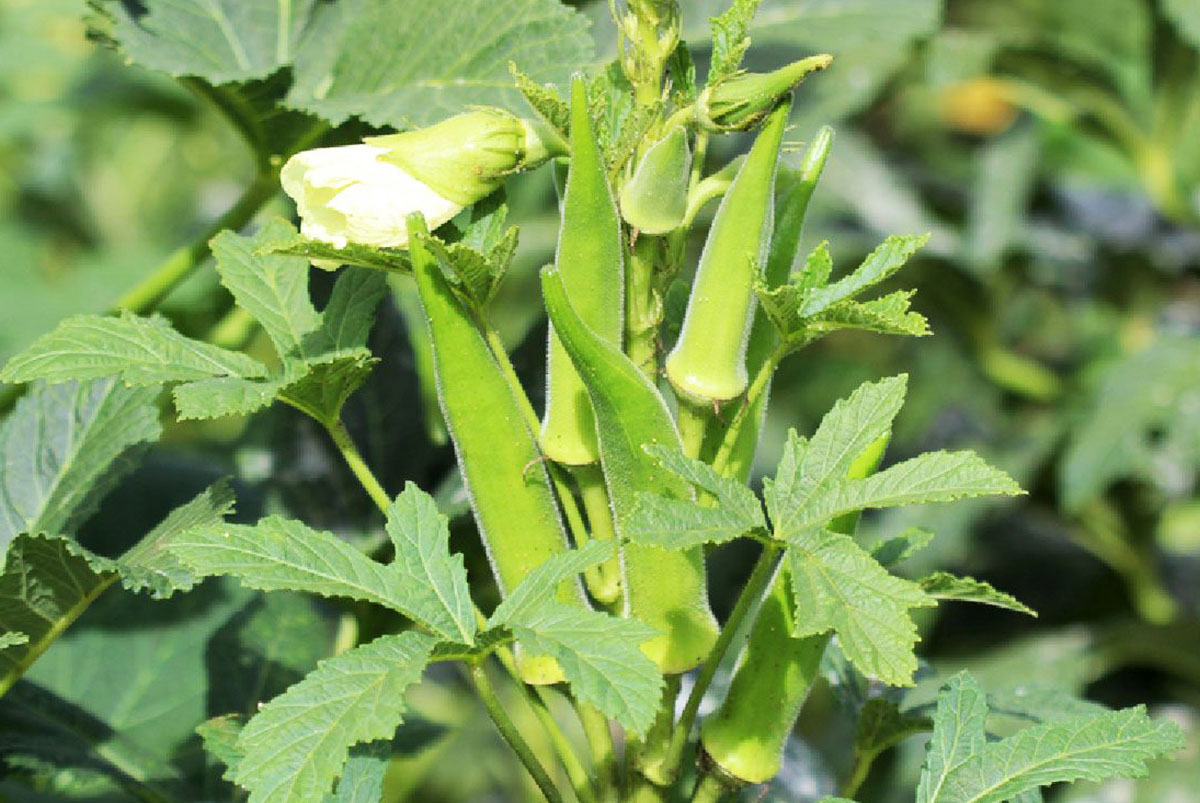
1. Okra Is Surprisingly Nutrient-Dense
Okra is relatively low in calories while providing several useful nutrients.
A typical serving can contribute:
-
Dietary fiber
-
Vitamin C
-
Vitamin K
-
Folate
-
Magnesium
-
Potassium
-
Calcium
-
Small amounts of protein
-
Various antioxidant compounds
The exact nutritional profile depends on serving size and preparation method.
This makes okra an easy vegetable to incorporate into a balanced eating pattern without adding a large amount of energy to a meal.
2. Okra Is a Good Source of Dietary Fiber
One of okra's most useful nutritional characteristics is its fiber content.
Fiber can support normal digestive function and help contribute to regular bowel movements.
There are different types of dietary fiber, and okra contains both soluble and insoluble components.
Soluble fiber can interact with water and form a gel-like substance, while insoluble fiber contributes bulk to stool.
A diet containing adequate fiber may also support healthy cholesterol levels and better overall metabolic health.
However, increasing fiber too quickly can cause gas or bloating.
If your diet has been low in fiber, gradually increasing vegetables, fruits, legumes, and whole grains while drinking adequate fluids can be more comfortable.
3. That “Slimy” Texture Has a Reason
If you've ever cut okra, you've probably noticed the slippery, gel-like substance inside.
Some people love it.
Others avoid okra specifically because of it.
But that texture is not a sign that the vegetable has gone bad.
The gel comes from mucilage, a mixture of soluble fibers and other plant substances.
When exposed to water, the mucilage becomes more noticeable.
Interestingly, this natural characteristic is one reason okra works particularly well as a thickening ingredient in soups and stews.
Instead of seeing the texture as a disadvantage, it can be viewed as one of the vegetable's unique culinary features.
4. Okra May Support Digestive Health
Because it contains fiber and mucilage, okra can be part of a diet that supports normal digestion.
Fiber helps add bulk to stool, while adequate dietary fiber overall is associated with healthy bowel function.
For people who don't regularly eat vegetables, adding okra to meals can be one way to increase total fiber intake.
However, okra should not be considered a treatment for chronic constipation or digestive disease.
Persistent constipation, unexplained abdominal pain, blood in the stool, vomiting, or significant changes in bowel habits should be medically evaluated.