Unfortunately, these seemingly minor changes can sometimes be signs that the kidneys are no longer working as effectively as they should.
The kidneys perform several essential functions. They filter waste products and excess fluid from the blood, help regulate blood pressure, maintain the balance of minerals and electrolytes, support red blood cell production, and contribute to healthy bones. When kidney function declines, these processes can become disrupted, affecting many different parts of the body.
Chronic kidney disease (CKD) is particularly concerning because it often progresses slowly. A person may lose a significant amount of kidney function before experiencing noticeable symptoms. By the time obvious problems develop, the condition may already be advanced.
The good news is that kidney disease can often be detected through routine blood and urine tests. Recognizing possible warning signs and understanding personal risk factors can help people seek medical evaluation earlier.
Below are 23 symptoms and physical changes that may be associated with kidney disease. None of these signs alone proves that someone has a kidney problem. Many have other possible explanations, but persistent, unexplained, or worsening symptoms deserve attention.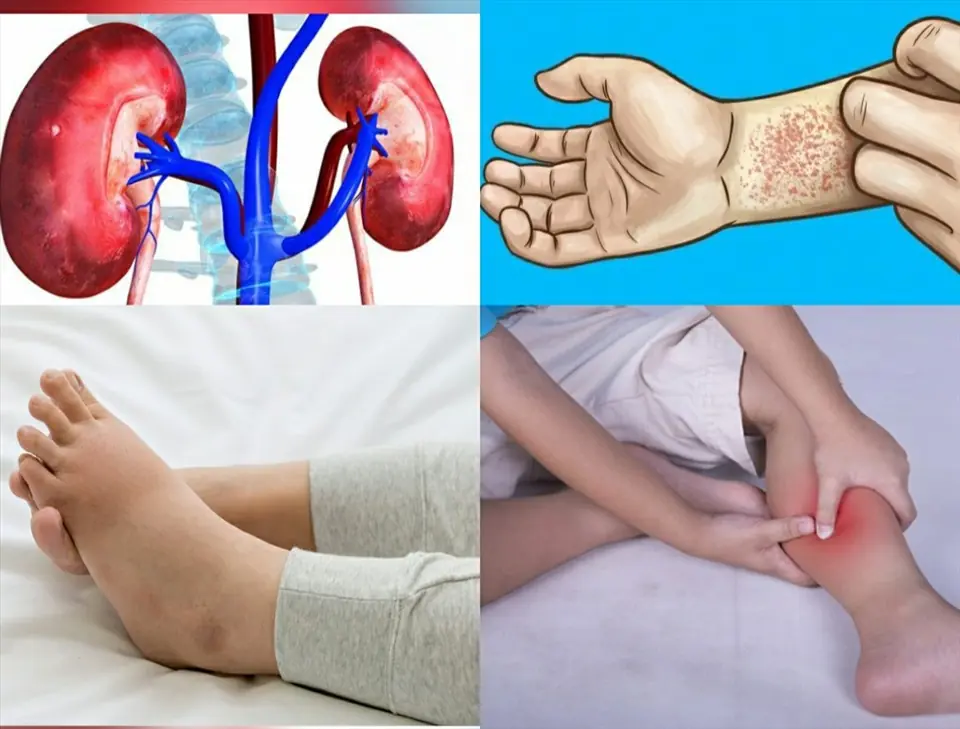
1. Persistent Fatigue and Unusual Tiredness
Feeling tired after a long day is normal. However, persistent exhaustion that does not improve with adequate sleep may deserve closer attention.
Healthy kidneys help produce a hormone called erythropoietin, which signals the bone marrow to make red blood cells. These cells transport oxygen throughout the body.
When kidney function declines, the kidneys may produce less erythropoietin. This can contribute to anemia, a condition in which the blood has an insufficient number of healthy red blood cells or an inadequate amount of hemoglobin.
As a result, the body's tissues receive less oxygen than they need. A person may feel unusually weak, exhausted, or unable to complete activities that were previously easy.
Kidney disease can also contribute to fatigue through the accumulation of waste products, inflammation, poor sleep, and nutritional problems.
However, fatigue is extremely common and can result from many conditions, including iron deficiency, thyroid disorders, depression, sleep apnea, and diabetes. Persistent fatigue should not automatically be attributed to kidney disease.
A healthcare professional can investigate the cause through appropriate blood tests, including a complete blood count and kidney function assessment.
2. Swelling in the Feet, Ankles, and Legs
Swelling in the lower extremities is another possible sign of impaired kidney function.
Healthy kidneys remove excess sodium and water from the body. When this process becomes less effective, fluid may accumulate in tissues, causing swelling known as edema.
The swelling is often noticeable around the ankles, feet, and lower legs. It may become more apparent after sitting or standing for extended periods.
Some people notice that their shoes feel tighter than usual or that their socks leave deeper marks around their ankles.
Kidney disease can also cause protein to leak into the urine. When substantial amounts of albumin are lost, the amount of protein in the blood may fall, allowing fluid to move into surrounding tissues.
This can contribute to swelling in the legs and other parts of the body.
However, swollen legs are not exclusive to kidney problems. Heart disease, venous insufficiency, certain medications, liver disease, and prolonged immobility can also cause edema.
Sudden swelling in one leg, especially when accompanied by pain, warmth, or redness, requires prompt medical assessment because a blood clot may be responsible.
3. Puffy Eyes, Especially in the Morning
Waking up with swollen eyelids occasionally is usually harmless. It can happen after crying, eating a salty meal, experiencing allergies, or sleeping poorly.
However, persistent puffiness around the eyes can sometimes be associated with kidney disease.
One possible explanation is protein loss through the kidneys. When the kidney's filtering structures become damaged, albumin may escape into the urine.
If blood albumin levels become significantly reduced, fluid can accumulate in soft tissues, including the area around the eyes.
People with certain kidney conditions may notice that their eyelids look particularly swollen after waking up. The swelling may improve as they remain upright throughout the day.
This symptom is not a reliable way to diagnose kidney disease. Allergies, sinus problems, thyroid disorders, and normal fluid shifts can produce similar changes.
If morning eye swelling is persistent or occurs alongside foamy urine, leg swelling, or changes in urination, a medical evaluation is appropriate.
4. Changes in Urination Frequency
Changes in bathroom habits can sometimes provide important clues about kidney and urinary tract health.
Some people with kidney disease notice that they need to urinate more frequently, particularly at night. Others experience reduced urine production as kidney function becomes severely impaired.
In the early stages of certain kidney conditions, the kidneys may lose some of their ability to concentrate urine effectively. This can result in increased urine production.
As damage progresses, urine output may eventually decrease.
However, frequent urination has many other possible causes, including diabetes, urinary tract infections, prostate enlargement, pregnancy, excessive caffeine intake, and certain medications.
Likewise, reduced urine output can occur because of dehydration, urinary obstruction, severe illness, or acute kidney injury.
A sudden and substantial reduction in urine output, particularly when accompanied by swelling, vomiting, breathlessness, or severe illness, requires urgent medical attention.
5. Waking Up Frequently at Night to Urinate
Repeated nighttime urination is known medically as nocturia.
It becomes more common with age, but it can also occur in people with kidney disease.
Healthy kidneys normally concentrate urine during sleep, helping reduce the need to wake up during the night.
When kidney function or concentrating ability is impaired, more urine may be produced overnight.
Some people find themselves waking up two or more times every night to use the bathroom, even when they have not consumed unusually large amounts of fluid before bed.