Chapter 1: The Hidden Risks of Improper Sanitary Pad Use
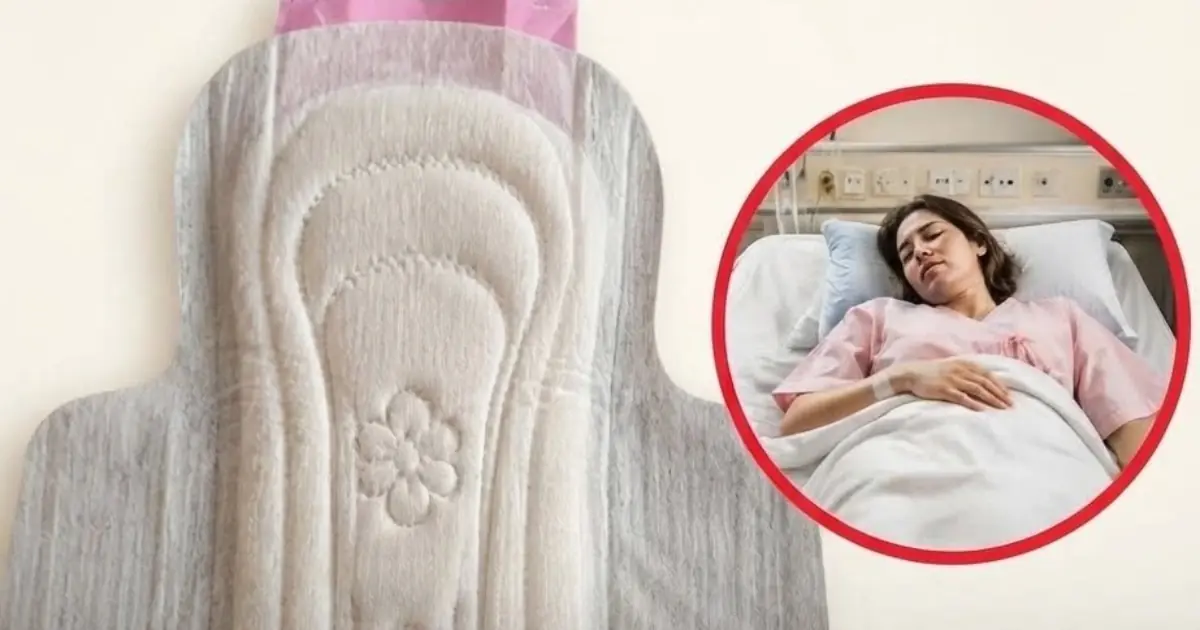
For millions of women around the world, sanitary pads are an essential part of everyday life.
They are convenient, widely available, relatively easy to use, and suitable for women who prefer external menstrual protection. Some choose thin pads for lighter days, while others use longer and more absorbent products during heavier menstrual flow.
Because pads are so familiar, many women rarely think about how their everyday habits might affect intimate health.
However, menstrual hygiene deserves attention.
The headline in the image describes a 27-year-old woman who reportedly developed a severe infection and experienced difficulty walking. It also suggests that doctors connected the incident to sanitary pad use.
Although this is a concerning claim, the available image does not establish what happened medically. It does not identify the infection, explain the woman's symptoms, or demonstrate that a particular hygiene product caused the illness.
Nevertheless, the subject raises an important question: Can improper sanitary pad use contribute to health problems?
The answer is yes, particularly when products are worn for too long, remain damp, or cause irritation. However, it is important to understand the difference between common skin problems and serious infections.
1. Wearing the same sanitary pad for too long
One common menstrual hygiene mistake is keeping the same pad on for an extended period.
Some women become busy at work, travel for several hours, or simply forget to change their pads.
Others believe that a pad only needs replacing when it becomes completely saturated with menstrual blood.
This is not a good approach.
As menstrual fluid accumulates, the pad becomes increasingly damp. Sweat and moisture can also collect around the genital area, particularly when someone wears tight clothing or spends long periods sitting.
A warm, moist environment can encourage the growth of microorganisms and contribute to skin irritation.
The Centers for Disease Control and Prevention (CDC) advises changing menstrual products regularly because trapped moisture can encourage bacteria and fungi to grow. Wearing a pad for too long can contribute to rashes or infections.
CDC+1
A practical guideline is to change disposable pads approximately every four to six hours during the day, adjusting the frequency according to menstrual flow and the product instructions.
A pad should be changed sooner if it becomes wet, uncomfortable, heavily soiled, or saturated.
2. Moisture can irritate sensitive skin
The skin around the vulva is sensitive.
When moisture remains against the skin for extended periods, friction and irritation can develop.
This may cause:
-
Redness.
-
Itching.
-
Burning sensations.
-
Tenderness.
-
Small areas of irritated or damaged skin.
-
Discomfort when walking or sitting.
These symptoms can become particularly unpleasant when combined with tight underwear, sweating, or repeated friction.
Some women may mistake irritation for an infection.
Others may assume that every episode of itching is caused by poor hygiene.
Neither assumption is necessarily correct.
Skin irritation can have several causes, including allergic reactions, contact dermatitis, infections, and underlying skin conditions.
3. Scented sanitary pads may cause irritation
Many menstrual products are marketed with fragrances or odor-control ingredients.
Although these products may seem appealing, fragrances can irritate sensitive skin.
Some women experience redness, itching, or burning after using scented pads.
The reaction may be related to fragrance ingredients, adhesives, dyes, or other materials used in the product.
The Cleveland Clinic recommends choosing unscented pads to reduce the likelihood of irritation or allergic reactions.
Cleveland Clinic+1
Women who repeatedly experience discomfort after using a particular product should consider switching to an unscented alternative.
If symptoms continue, medical evaluation is appropriate.
4. Poor hand hygiene when changing pads
Another simple but important habit is washing hands before and after changing menstrual products.
Hands come into contact with numerous surfaces throughout the day.
They can carry microorganisms that may be transferred to the genital area.
Before changing a pad, women should wash their hands with soap and clean water.
After removing the used product and attaching a fresh one, they should wash their hands again.
Used disposable pads should be wrapped and placed in an appropriate waste bin.
They should never be flushed down the toilet because they can block plumbing systems.
5. Wearing tight underwear for extended periods
Clothing also affects intimate comfort.
Very tight underwear and synthetic fabrics can reduce ventilation and trap heat and moisture.
This may increase friction and make irritation more likely.
Women who experience repeated discomfort may benefit from breathable cotton underwear and clothing that is not excessively tight.
This does not mean synthetic fabrics automatically cause infections.
Rather, reducing prolonged moisture and friction can help protect sensitive skin.
6. Assuming that stronger cleaning products mean better hygiene
Some women use perfumed soaps, vaginal washes, deodorants, or internal cleansing products because they believe these products provide extra protection.
In reality, excessive cleaning can disrupt the natural balance of the vaginal environment.
The vagina is self-cleaning.
Washing inside it or using chemical products to remove natural secretions can disturb protective microorganisms and increase the risk of irritation.
The CDC recommends washing the external genital area rather than attempting to clean inside the vagina.
CDC+1
7. Ignoring repeated irritation
A small amount of discomfort may seem unimportant, especially during menstruation.
However, repeated symptoms should not be ignored.
If itching, burning, unusual discharge, or unpleasant odor continues, a healthcare professional should evaluate the cause.
The problem may be related to an infection, an allergic reaction, or another gynecological condition.
Changing sanitary pads may improve irritation caused by a particular product, but it will not treat every underlying medical problem.
The most important lesson is that menstrual hygiene is not simply about keeping products clean.
It is about choosing appropriate products, changing them regularly, protecting sensitive skin, and recognizing when symptoms require medical attention.
Chapter 2: Seven Common Menstrual Hygiene Mistakes Women Should Avoid
Menstruation is a normal biological process, but the habits surrounding it can influence comfort and intimate health.
Many women learn how to manage their periods from family members, friends, or personal experience. Unfortunately, some common practices are based on misconceptions rather than medical recommendations.
Understanding these mistakes can help women make safer choices.
1. Waiting until a pad is completely full before changing it
This is one of the most common mistakes.
A pad does not need to be completely saturated before it should be replaced.
Even when menstrual flow is relatively light, moisture and sweat can accumulate.
Leaving a damp product against the skin for too long may increase friction and irritation.