Chapter 1: A Wedding That Never Happened – The Tragic Story of a 28-Year-Old Groom
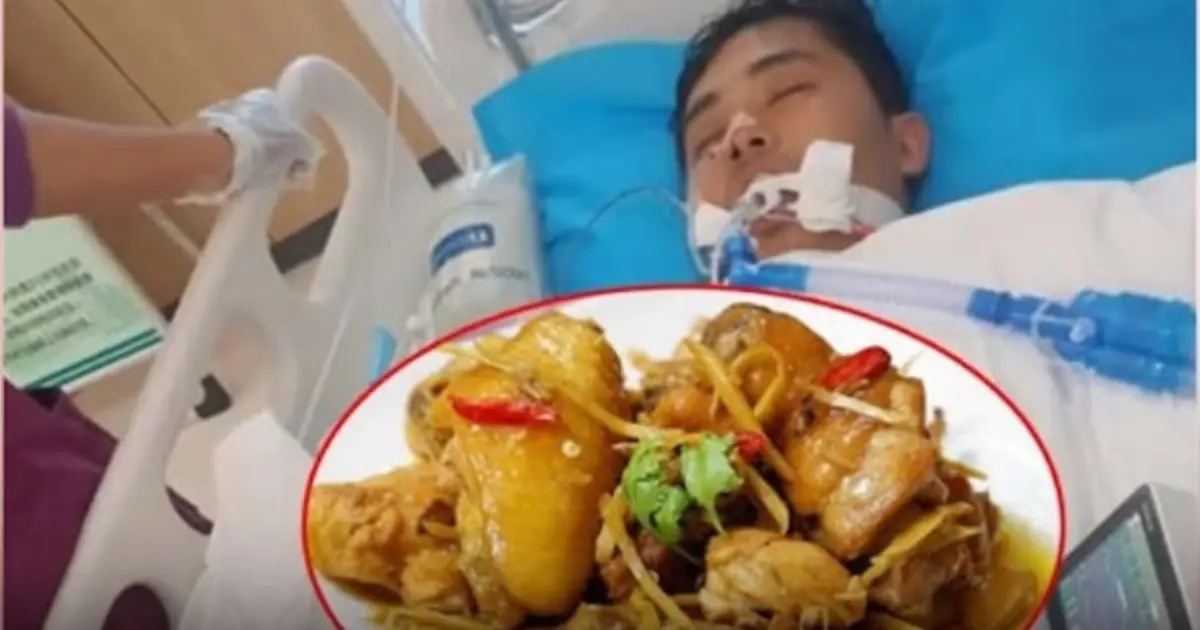
A wedding is supposed to be one of the happiest moments in a person's life. Families gather, relatives travel long distances and friends prepare to celebrate the beginning of a new chapter for two people who have chosen to build a future together.
For one young man in Shandong Province, China, that special day was approaching in May 2025.
He was only 28 years old and had been preparing to marry his longtime partner. His family was looking forward to the celebration, and the arrangements were reportedly almost complete.
But an unexpected medical emergency transformed those plans into a tragedy.
According to reports from Chinese media, the young man, identified in local reporting as Ma Bin, returned to his hometown in late April to prepare for his wedding, which had been scheduled for May 8.
On April 29, he reportedly ate a substantial amount of chicken at home. The poultry was suspected of being diseased, and the meal also reportedly included leftover meat that had been stored for an extended period.
What happened afterward shocked his family.
Soon after the meal, the young man developed a fever and headache. At first, the symptoms may have appeared similar to an ordinary infection or seasonal illness.
He reportedly took medication at home, including amoxicillin and ibuprofen, along with traditional remedies.
His temperature subsequently decreased, giving the impression that his condition might be improving.
However, the improvement did not last.
Over the following days, he reportedly developed abdominal bloating, severe fatigue and increasing weakness. His family became increasingly concerned as his physical condition deteriorated.
Another worrying development was a change in his mental state.
Eventually, he lost consciousness and required emergency medical attention.
On May 8, the date originally intended for his wedding, reports indicated that he was receiving hospital treatment for a life-threatening condition.
Doctors diagnosed acute liver failure accompanied by hepatic encephalopathy, a serious complication in which impaired liver function allows harmful substances to accumulate in the bloodstream and affect the brain.
His condition was critical.
Medical teams attempted to stabilize him through intensive treatment. Reports described plasma exchange and other supportive interventions intended to help manage the consequences of severe liver dysfunction.
The situation attracted considerable public attention.
When news circulated that the young patient needed substantial medical support, more than 100 members of the public reportedly responded to calls for blood donation.
People who had never met him were willing to help.
For his family, this support represented hope during an extremely difficult period.
Unfortunately, despite the efforts of medical professionals and members of the public, his condition continued to worsen.
On May 15, 2025, Ma Bin died at the age of 28.
His death left his family devastated and transformed what should have been a joyful wedding season into a period of mourning.
The story spread widely because it raised an unsettling question: How could a young man who had reportedly been preparing for an ordinary family celebration become critically ill within such a short period?
The circumstances surrounding the meal attracted particular attention.
However, it is important not to jump to conclusions. The reported sequence of events does not independently establish that eating chicken directly caused his liver failure.
The exact infectious agent, potential food contamination and other medical factors were not conclusively established in the public reports examined.
What the case does demonstrate is the importance of taking unusual symptoms seriously, avoiding food from questionable sources and seeking medical assessment when illness develops rapidly.
A seemingly ordinary family meal should never become a reason to ignore food safety.
Chapter 2: The Hidden Dangers of Eating Chicken From an Unsafe Source
Chicken is one of the most popular foods in the world. It is affordable, versatile and provides valuable nutrients, including protein, vitamins and minerals.
Families prepare it in countless ways, from soups and roasted dishes to fried chicken and traditional stews.
Because chicken is so familiar, people sometimes forget that poultry can carry harmful microorganisms when it is contaminated or handled incorrectly.
The danger is not necessarily visible.
Raw chicken may look fresh and have no unusual smell while still carrying bacteria capable of causing foodborne illness.
Two of the most important pathogens associated with poultry are Salmonella and Campylobacter.
Salmonella: A common cause of food poisoning
Salmonella bacteria can contaminate poultry and other foods. People may become infected after eating chicken that has not been cooked thoroughly or consuming food contaminated by raw chicken juices.
Symptoms commonly include fever, stomach cramps, diarrhea and vomiting.
Depending on the person and the severity of the infection, symptoms may begin within hours or several days after exposure.
Most people recover, but serious complications can occur, particularly among young children, older adults and people with weakened immune systems.
In some cases, Salmonella can enter the bloodstream and cause invasive infection requiring hospital treatment.
Campylobacter: Another important poultry-related risk
Campylobacter is another bacterium commonly associated with raw or undercooked chicken.
Infected individuals may experience diarrhea, abdominal pain, fever and nausea.
Although many infections resolve without serious complications, severe illness can occur.
Rarely, Campylobacter infection can trigger complications affecting other parts of the body.
The important point is that chicken does not need to look spoiled to carry these bacteria.
Proper handling and cooking are essential.