Physical examination: The clinician may examine the affected limb, assess the size and location of a lump, check skin changes, evaluate movement, and test sensation or muscle strength.
Imaging tests: Ultrasound can help evaluate certain lumps and soft-tissue abnormalities. X-rays may identify changes in bone, while magnetic resonance imaging (MRI) can provide detailed images of soft tissues and bone marrow. Computed tomography (CT) scans may be appropriate in selected circumstances.
Blood tests: Depending on the symptoms, blood tests may help identify anemia, inflammation, organ dysfunction, or other medical conditions. There is no single routine blood test that can rule out every type of cancer.
Biopsy: If imaging or examination raises sufficient concern, a clinician may recommend obtaining a tissue sample. A biopsy allows a pathologist to examine cells and determine whether a suspicious mass or lesion is cancerous.
Not everyone with limb symptoms needs every test. Investigations should be guided by the clinical findings rather than performed indiscriminately.
Early assessment can help identify the cause, whether it is cancer, a circulatory problem, a nerve condition, an infection, or another treatable disorder.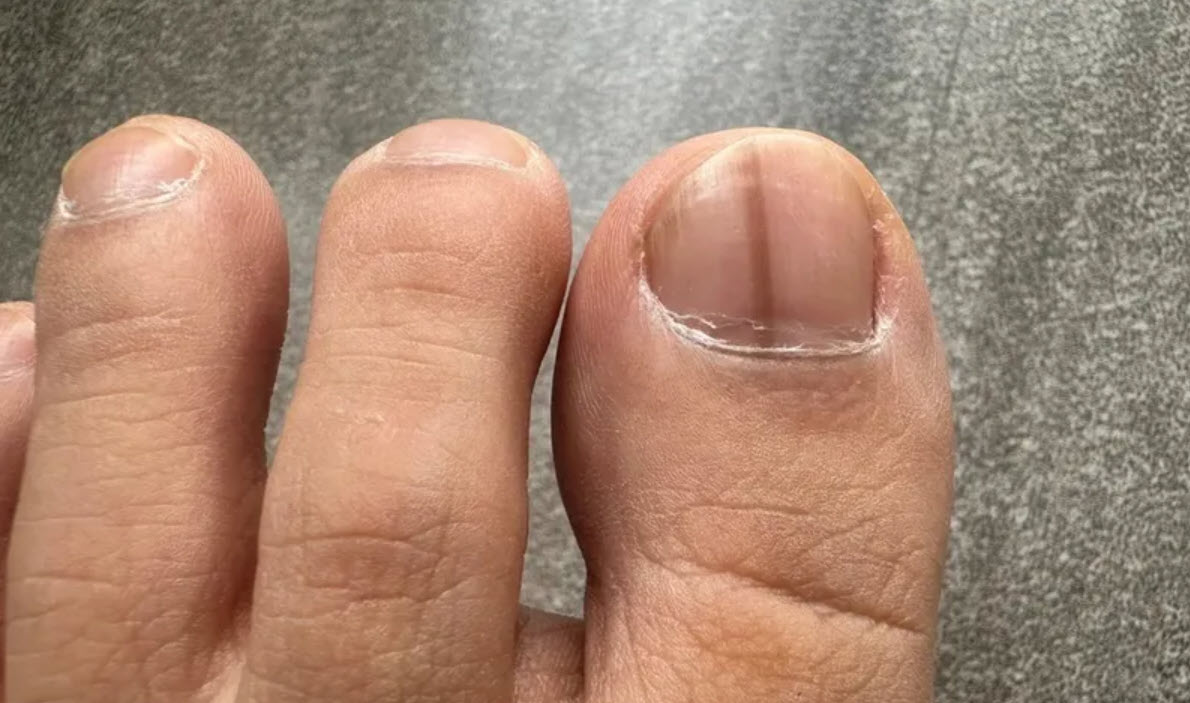
What Can You Do if You Notice These Changes?
The most useful first step is to pay attention to symptoms that are new, persistent, or progressively worsening.
Keep a simple record of when the symptoms started, where they occur, whether they affect one or both limbs, and what appears to make them better or worse. If a lump or skin lesion changes over time, photographs taken at reasonable intervals may help document those changes for your clinician.
Avoid assuming that symptoms are harmless simply because they do not hurt. Some conditions, including certain tumors, can initially be painless.
At the same time, do not interpret every ache, bruise, swollen area, or unusual nail color as evidence of cancer. Everyday conditions commonly cause these problems, and unnecessary fear can make it harder to respond calmly and appropriately.
Do not delay an examination while trying supplements, restrictive diets, or unproven remedies to treat an unexplained lump or persistent swelling.
If symptoms are sudden or severe, seek urgent care. Sudden one-sided limb swelling, especially with pain or warmth, requires prompt evaluation for a blood clot. Chest pain or shortness of breath alongside such swelling requires emergency medical attention.
If symptoms develop gradually but continue to worsen, arrange a medical appointment rather than waiting indefinitely for them to disappear.
The Bottom Line
The arms and legs can sometimes show early signs of a medical problem, including certain cancers. Three categories of changes deserve particular attention: persistent unexplained swelling, ongoing bone or deep limb pain, and unusual lumps, skin changes, or persistent alterations in sensation.
These symptoms are not specific to cancer. Many are caused by more common conditions, and their presence does not mean that a person has a malignant disease.
What matters most is the pattern. A symptom that persists without explanation, progressively worsens, interferes with normal movement, or appears alongside other unexplained changes deserves professional assessment.
Cancer cannot be diagnosed by symptoms alone, and no online article can replace a physical examination or appropriate testing. Nevertheless, understanding potential warning signs can help people recognize when it is time to seek medical advice.
Rather than ignoring persistent changes or immediately assuming the worst, take a balanced approach: observe what is happening, seek appropriate care, and follow through with recommended investigations.
Your body does not provide a diagnosis through symptoms alone, but persistent changes are worth listening to. When something in your arms or legs feels unusual and does not improve, getting it checked is a sensible step toward protecting your health.