The liver is one of the body's most important organs. It helps process nutrients, produces essential proteins, stores energy, breaks down certain medications, and helps remove waste products from the bloodstream. Because the liver performs so many functions, maintaining good liver health is an important part of overall wellness.
At the same time, there is a common misconception that one particular food can suddenly "destroy" the liver. In reality, liver health is influenced by overall dietary patterns, body weight, physical activity, alcohol consumption, medications, genetics, and underlying medical conditions.
Some foods are worth limiting when consumed frequently or in excessive amounts, particularly when they contribute to excess calories, added sugars, unhealthy fats, or metabolic problems.
Here are three dietary categories that deserve particular attention.
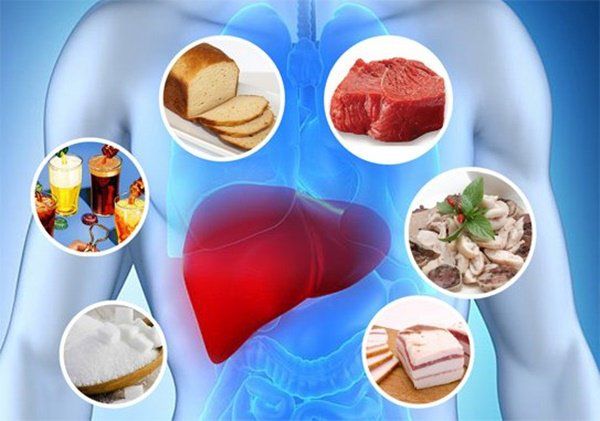
1. Foods and Drinks High in Added Sugar
One of the biggest dietary concerns for liver health is excessive consumption of added sugars, particularly sugar-sweetened beverages.
Examples include:
-
Regular soda
-
Sweetened iced tea
-
Energy drinks
-
Sweetened coffee beverages
-
Fruit-flavored drinks with added sugar
-
Candy
-
Cakes
-
Cookies
-
Many packaged desserts
The problem is not that sugar is inherently toxic to the liver. The concern is excessive intake over time.
A diet high in added sugars can contribute to excess calorie intake and weight gain. In some people, this may increase the risk of metabolic dysfunction-associated steatotic liver disease (MASLD), a condition characterized by excess fat accumulation in the liver that is not primarily caused by alcohol.
Why Sugary Drinks Deserve Special Attention
Liquid calories are particularly easy to consume in large amounts.
For example, a person may drink a large sugary beverage without feeling as full as they would after eating an equivalent number of calories from solid food.
Frequent consumption can therefore contribute to:
-
Excess calorie intake
-
Weight gain
-
Insulin resistance
-
Higher triglyceride levels
-
Metabolic problems
These factors can negatively affect liver health over time.
What About Fruit?
Whole fruit is different from sugary drinks.
Whole fruits provide:
-
Fiber
-
Vitamins
-
Minerals
-
Water
-
Polyphenols and other plant compounds
For most people, whole fruit can be part of a liver-friendly diet.
The bigger concern is added sugar and highly concentrated sugary beverages, rather than naturally occurring sugar in whole fruit.
2. Foods High in Saturated Fat and Highly Processed Fats
Another category worth limiting is foods that are frequently high in saturated fat, calories, and refined carbohydrates.
Examples can include:
-
Fatty processed meats
-
Bacon
-
Sausages
-
Certain fast foods
-
Fried foods
-
Some commercially prepared pastries
-
Highly processed snack foods
Not every food in this category is harmful when eaten occasionally. The concern is frequent consumption as part of an overall diet high in calories and saturated fat.
How Can Excess Fat Affect the Liver?
The liver naturally processes dietary fats.
However, long-term excess calorie intake can contribute to increased fat accumulation in the liver, particularly in people who have obesity, insulin resistance, type 2 diabetes, or other metabolic risk factors.
Over time, excess liver fat may be associated with inflammation and, in some individuals, progressive liver damage.
This is one reason dietary quality and overall energy balance matter.
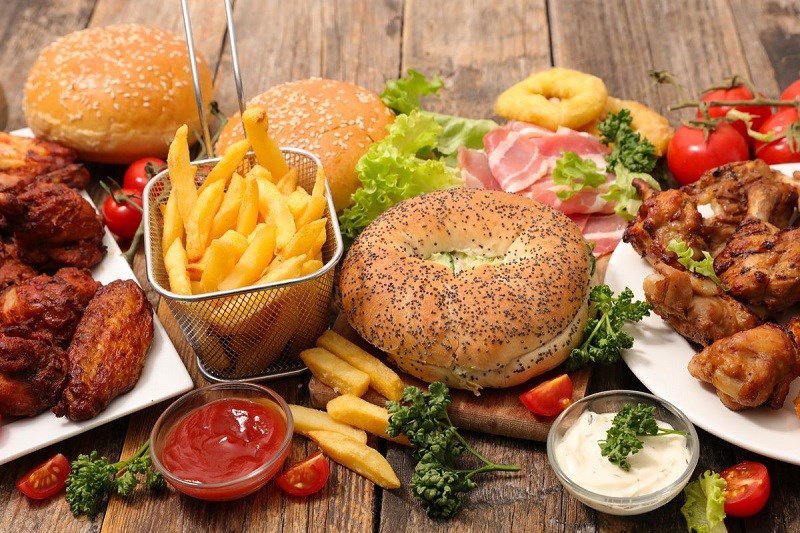
3. Highly Processed Foods
Highly processed foods can be another concern when they make up a large proportion of the diet.
Examples include:
-
Packaged snacks
-
Processed meats
-
Fast food
-
Sugary cereals
-
Instant desserts
-
Packaged baked goods
-
Some frozen convenience meals
These foods often combine several characteristics:
-
High calorie density
-
Added sugars
-
Excess sodium
-
Refined carbohydrates
-
Saturated fats
-
Low fiber
Eating these foods occasionally is not necessarily a problem.
The concern arises when they consistently replace more nutrient-dense foods such as vegetables, fruits, whole grains, legumes, nuts, seeds, and minimally processed proteins.
Why Overall Dietary Pattern Matters More Than One Food
It is tempting to label individual foods as "good" or "bad" for the liver.
But the human body does not work that simply.
Liver health is influenced by the overall pattern of eating.
For example, a person who occasionally eats a burger or dessert but otherwise consumes a balanced diet may have a very different risk profile from someone who consumes highly processed foods and sugary beverages at nearly every meal.
The frequency, portion size, total calorie intake, and overall lifestyle matter.
What Is Fatty Liver Disease?
One of the most common liver conditions associated with metabolic health is metabolic dysfunction-associated steatotic liver disease (MASLD).
It occurs when excess fat accumulates in the liver in association with metabolic risk factors.
Risk factors can include:
-
Overweight or obesity
-
Type 2 diabetes
-
Insulin resistance
-
High triglycerides
-
High blood pressure
-
Metabolic syndrome
Some people have no noticeable symptoms.
Others may experience:
-
Fatigue
-
A feeling of discomfort in the upper right abdomen
Because symptoms may be mild or absent, blood tests and imaging may be needed to identify the condition.
Alcohol Is a Separate but Important Consideration
Although the focus here is food, alcohol deserves special mention.
Excessive alcohol consumption can directly damage the liver and contribute to conditions such as:
-
Alcohol-associated fatty liver disease
-
Alcohol-associated hepatitis
-
Cirrhosis
For people who drink alcohol, limiting intake is an important part of protecting liver health.
People with certain liver conditions may be advised to avoid alcohol completely.
What Foods May Support Liver Health?
Rather than focusing only on what to avoid, it is helpful to consider what to include.
A liver-friendly dietary pattern can emphasize:
Vegetables
Examples include:
-
Broccoli
-
Spinach
-
Kale
-
Carrots
-
Bell peppers
-
Tomatoes
Vegetables provide fiber, vitamins, minerals, and a wide range of plant compounds.
Whole Fruits
Apples, berries, oranges, pears, and other whole fruits can provide fiber and antioxidants.
Whole Grains
Examples include:
-
Oats
-
Brown rice
-
Barley
-
Whole-grain bread
-
Quinoa
These can provide more fiber than refined grains.
Legumes
Beans, lentils, and chickpeas provide:
-
Plant protein
-
Fiber
-
Vitamins
-
Minerals
Nuts and Seeds
Unsalted nuts and seeds provide healthy fats, protein, fiber, and micronutrients.
Moderate portions are important because they are energy-dense.
Fish
Fatty fish such as:
-
Salmon
-
Sardines
-
Mackerel
provide omega-3 fatty acids and can be part of a heart- and metabolically healthy diet.
Coffee and Liver Health
Coffee is an interesting example because observational research has associated regular coffee consumption with a lower risk of several chronic liver conditions.
Potential benefits have been observed with both caffeinated and decaffeinated coffee.
However, adding large amounts of:
-
Sugar
-
Syrups
-
Cream
can substantially increase calorie and added-sugar intake.
Therefore, coffee itself should not be confused with heavily sweetened coffee beverages.
Practical Ways to Protect Your Liver
You don't need a complicated "liver detox" program to support liver health.
Instead, focus on sustainable habits.
1. Maintain a Healthy Weight
For people who are overweight or have metabolic dysfunction-associated fatty liver disease, gradual weight loss can significantly improve liver fat and metabolic health.
Avoid extreme crash diets.
2. Exercise Regularly
Physical activity can improve insulin sensitivity and metabolic health even when significant weight loss does not occur.
Walking, cycling, swimming, strength training, and other activities can all contribute.
3. Drink More Water Instead of Sugary Beverages
Replacing soda and other sugar-sweetened drinks with water can reduce added sugar and calorie intake.
4. Eat More Fiber
Fiber-rich foods can help support:
-
Digestive health
-
Blood sugar regulation
-
Healthy cholesterol levels
-
Satiety
Good sources include vegetables, fruits, whole grains, beans, and lentils.
5. Limit Excess Sodium
Excess sodium is primarily associated with blood pressure and fluid balance rather than direct liver damage, but reducing heavily processed, salty foods can improve overall dietary quality.
Common Myths About Liver Health
Myth: One unhealthy meal damages your liver.
Fact: Liver health is generally influenced by long-term patterns rather than a single meal.
Myth: Sugar directly "coats" the liver.
Fact: Excess calorie and sugar intake can contribute to metabolic problems and liver fat accumulation, but the process is more complex than sugar simply coating the liver.
Myth: A detox drink cleans the liver.
Fact: The liver already performs its own metabolic and detoxification functions. There is no reliable evidence that commercial detox drinks cleanse the liver.
Myth: All dietary fat is bad for the liver.
Fact: Dietary fats differ. Unsaturated fats found in foods such as nuts, seeds, olive oil, and fish can be part of a healthy dietary pattern.
Myth: You need to eliminate carbohydrates to protect your liver.
Fact: Whole grains, legumes, fruits, and vegetables contain carbohydrates and can be important components of a healthy diet.
When Should You Talk to a Doctor?
Consider discussing liver health with a healthcare professional if you have:
-
Persistent fatigue
-
Unexplained abdominal discomfort
-
Yellowing of the skin or eyes
-
Dark urine
-
Pale stools
-
Persistent nausea
-
Unexplained weight changes
People with diabetes, obesity, high triglycerides, or a family history of liver disease may also benefit from discussing appropriate screening with their healthcare provider.
The Bottom Line
No single food automatically "destroys" the liver. However, frequent and excessive consumption of foods and drinks high in added sugars, saturated fats, and highly processed ingredients can contribute to metabolic problems that may increase the risk of liver disease, particularly when combined with excess calorie intake, obesity, insulin resistance, or other risk factors.
Rather than following restrictive diets or relying on "liver detox" products, focus on the bigger picture: eat plenty of vegetables and whole fruits, choose whole grains and legumes, include healthy sources of protein and unsaturated fats, limit sugary beverages and heavily processed foods, exercise regularly, maintain a healthy weight, and moderate alcohol consumption.
Your liver does not need a miracle food or detox drink. It benefits most from consistent, sustainable lifestyle habits over time.