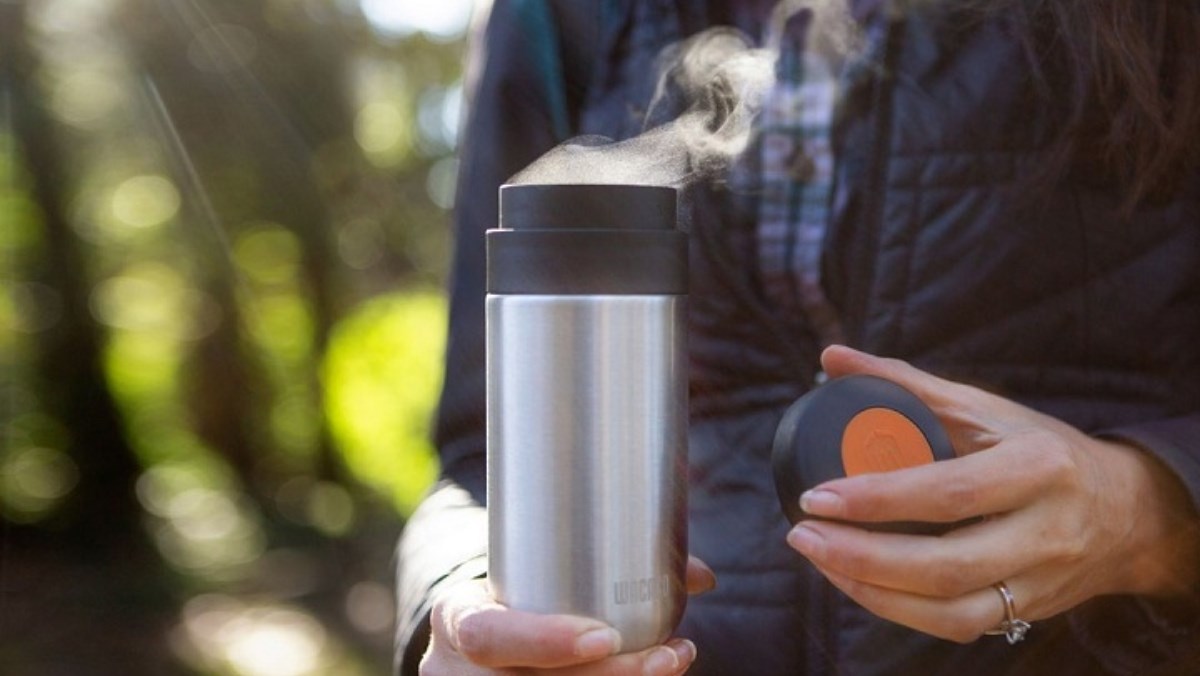
A thermos is designed to keep beverages hot or cold for extended periods, making it a convenient everyday essential. Whether commuting, studying, or traveling, many people rely on it to maintain the temperature of their drinks. However, not all types of water are suitable for storage in a thermos. In some cases, improper use can affect taste, reduce the lifespan of the container, or even pose potential health concerns.
Below are three types of water that you should avoid storing in a thermos, along with clear explanations of why they may not be ideal.

1. Salt Water or Mineral-Heavy Water
Water that contains a high concentration of minerals or salt—such as seawater, saline solutions, or certain mineral waters—can be problematic when stored in a thermos, especially for long periods.
Most thermos flasks are made with stainless steel interiors. While stainless steel is generally resistant to corrosion, prolonged exposure to high levels of salt or minerals can gradually damage the inner lining. Over time, this may lead to:
- Metallic taste in the water
- Reduced insulation performance
- Potential corrosion or pitting inside the flask
Additionally, mineral buildup can form deposits that are difficult to clean, making the thermos less hygienic with repeated use.
2. Hot Water Stored for Too Long
While a thermos is specifically designed to keep water hot, storing hot water for excessively long periods—especially beyond 12–24 hours—may not be ideal.
When hot water is kept sealed for too long:
- Dissolved oxygen levels decrease, affecting freshness
- The taste becomes flat or stale
- Bacteria may grow if the container is not properly cleaned beforehand
In some cases, repeatedly reheating or topping up old water in a thermos can worsen these effects. Although it may not always be dangerous, it can compromise both the quality and safety of the water.
For best results, it’s recommended to:
- Empty and rinse the thermos daily
- Refill with fresh water instead of reusing old contents
3. Acidic or Infused Water (e.g., Lemon Water)
Many people enjoy adding lemon, vinegar, or fruit slices to water for flavor and health benefits. However, acidic or infused water is not always suitable for long-term storage in a thermos.
Acidic liquids can:
- React with the metal lining over time
- Cause slight degradation of the inner surface
- Alter the taste of both the drink and future beverages
For example, lemon water stored for many hours in a thermos may develop a slightly bitter or metallic aftertaste. In lower-quality thermos bottles, this effect can be more noticeable.
Moreover, fruit-infused water left for too long may:
- Ferment slightly
- Develop unpleasant odors
- Promote bacterial growth
If you prefer infused drinks, it’s better to consume them within a few hours or use containers specifically designed for acidic beverages.
Practical Tips for Safe Thermos Use
To get the most out of your thermos while ensuring safety and durability, keep these tips in mind:
- Always clean your thermos thoroughly after each use
- Avoid storing liquids for excessively long periods
- Use it primarily for plain water, tea, or coffee
- Dry the interior completely before closing the lid for storage

Final Thoughts
A thermos is a practical and reliable tool for maintaining beverage temperature, but using it correctly is essential. Not all liquids behave the same way when stored in a sealed, temperature-controlled environment.
Salt-heavy water can damage the interior, hot water stored too long can lose quality, and acidic or infused water may react with the material or spoil over time. By understanding these limitations, you can protect both your health and your thermos - ensuring it remains safe, effective, and long-lasting.
In short, a little awareness goes a long way. Choosing the right type of water for thermos storage can make a noticeable difference in both taste and overall experience.